What Kolbe windows are, and why Arlington homeowners usually evaluate them differently
For a homeowner in Arlington, the choice is almost never as simple as selecting a familiar brand name. The real decision usually turns on pairing the right series, the right construction, and the right installer so the unit works the way it should after it is set into the opening.
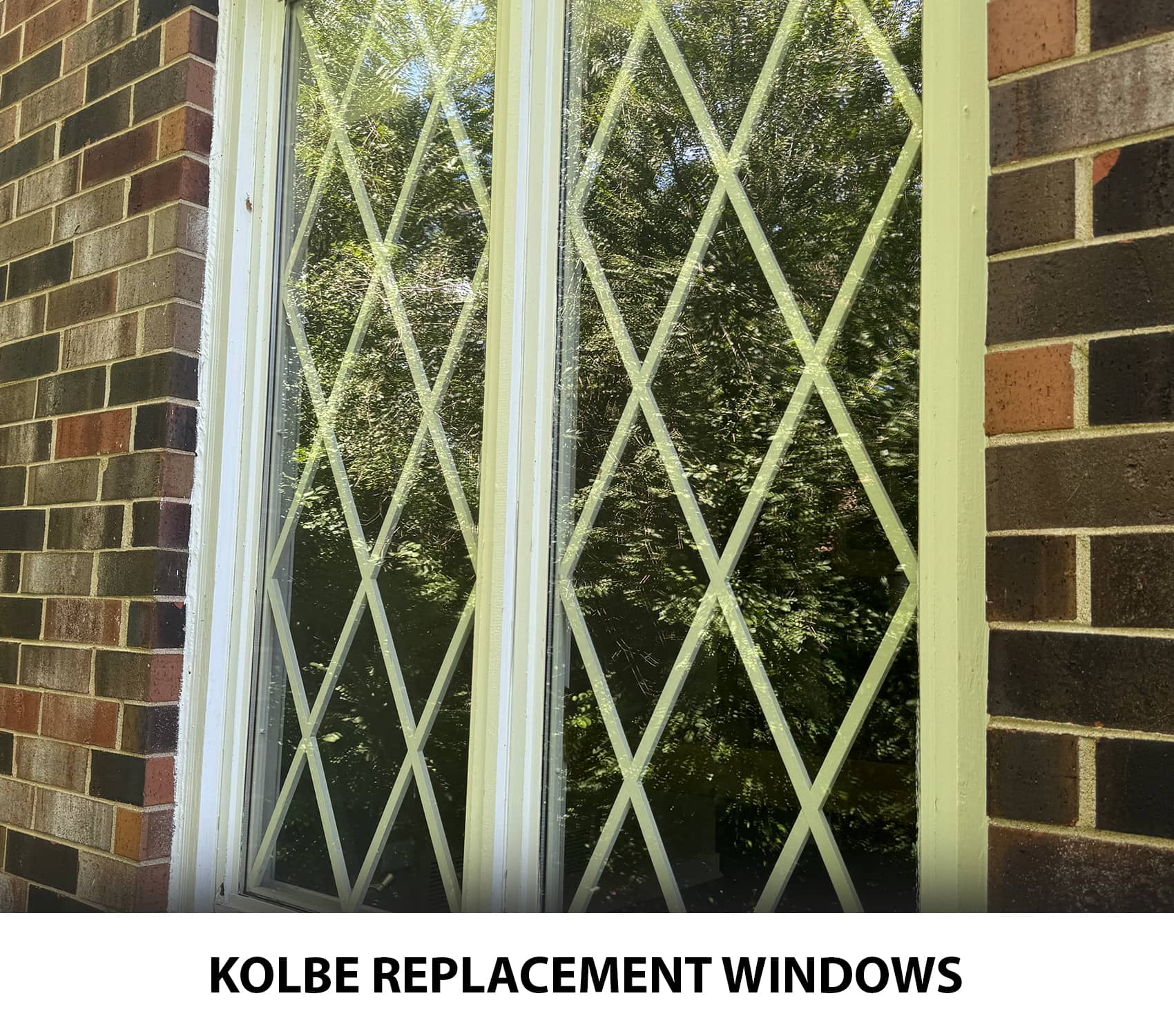
That mix changes the discussion immediately. VistaLuxe leans modern, with narrower framing and larger stretches of glass. Ultra pairs aluminum cladding on the exterior with genuine wood on the interior. Heritage stays all wood and makes more sense where traditional detailing or the character of an older house still matters. Forgent moves in another direction, using a fiberglass-polymer blend that is often associated with simpler installation, more straightforward replacement work, and faster production lead times. So when an Arlington homeowner says, “I have Kolbe windows,” that alone still leaves out the part that matters most. The series and material affect how the unit ages, what kind of upkeep or repair tends to come up, and whether a later replacement should preserve the original appearance or move toward something more practical for daily life.
Common Kolbe problems in Arlington homes, and why repair often comes first
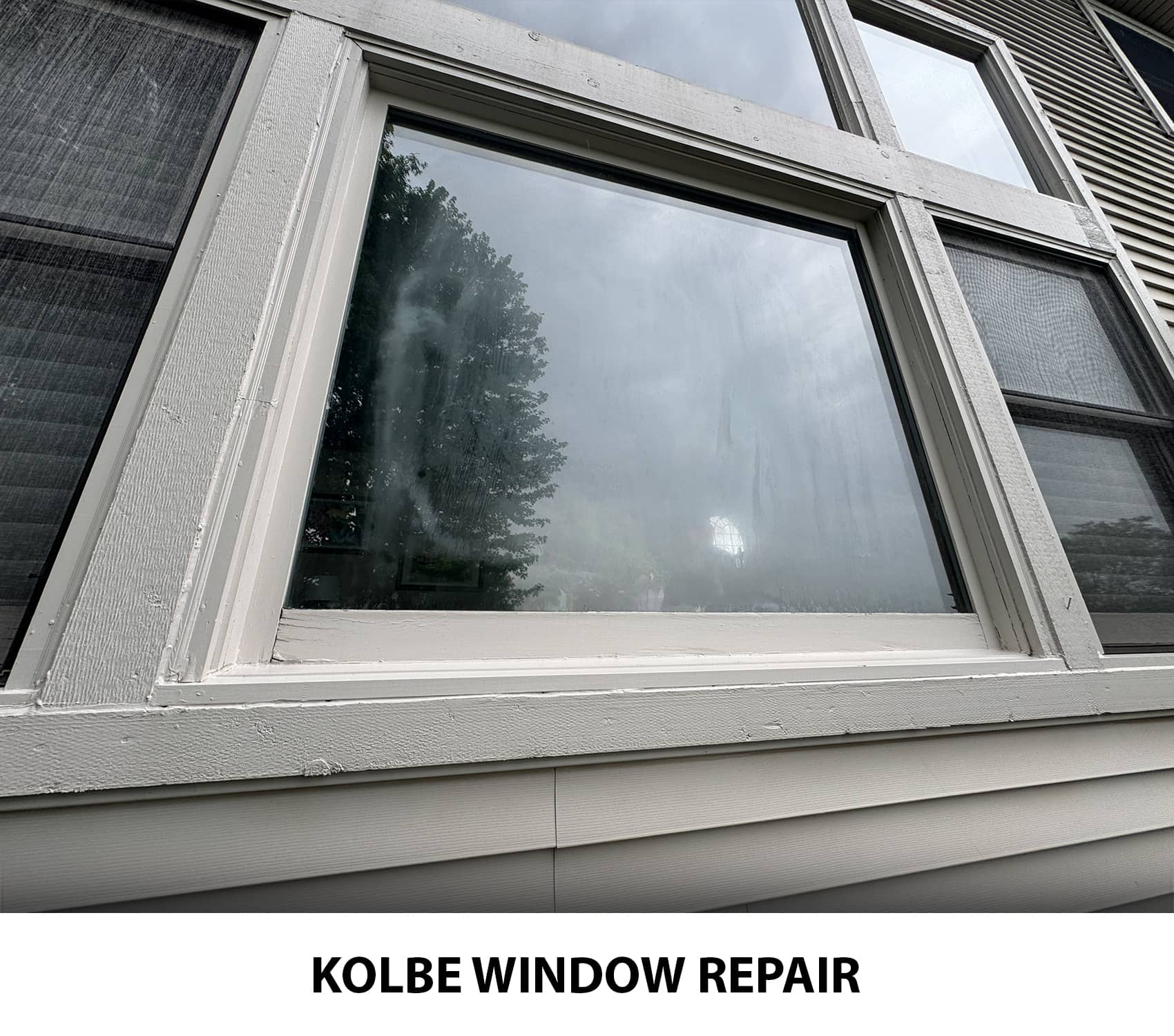
In Arlington homes, Kolbe problems usually show up in the same real-world ways again and again. Insulated glass seals give out, and the panes start looking hazy or washed over from the inside. Hardware begins to wear unevenly: a crank binds, a handle develops play, a lock stops meeting cleanly, or moving parts no longer track the way they once did. Wood sections can also begin to deteriorate, especially at the sash, the sill, or along parts of the frame. A second service pattern points to much of the same trouble from another angle: units drifting out of square, weatherstripping flattening and leaking air, rollers wearing thin, locks failing to engage with confidence, and thermal performance falling off as small openings begin to form. Put together, the picture is pretty clear. Early trouble in a Kolbe unit does not automatically mean the whole thing is ready to come out.
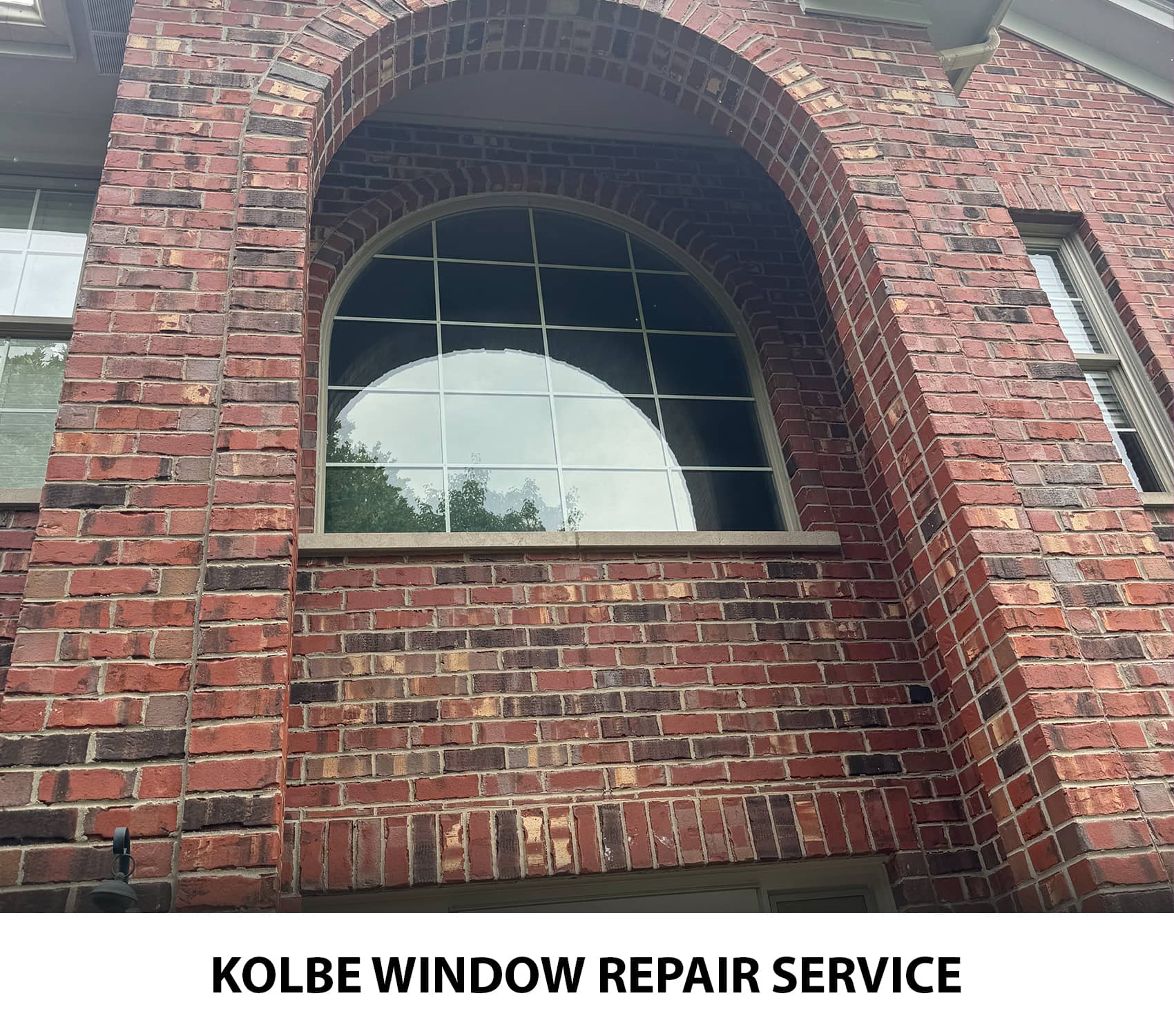
That distinction carries more weight than it first appears to. When the frame is still sound and the actual failure is confined to the glass, the rollers, the hardware, the sash balance, the weather seal, or one localized section of damaged wood, repair is usually the more grounded first answer. A focused correction often costs far less than removing the entire unit, especially when the problem is caught before it spreads. Some fixes stay fairly contained and come down mostly to labor, adjustment, and careful setup. Others become more demanding because the work takes longer, the repair reaches deeper into the unit, or the needed parts are slower to track down. In Arlington, the most sensible path is often the least dramatic one: repair the failed section while the rest of the window or door still has solid service life left.
Problems start compounding when those warnings get brushed off as unrelated annoyances instead of read as one developing pattern. A draft on windy days, moisture lingering at the sill, wood turning dark or soft, a sash that drags across the frame, and hardware that keeps slipping out of position may all trace back to the same underlying condition. Sometimes the real source is movement in the opening. Sometimes it is long-term water intrusion. Sometimes it comes from installation stress that has been sitting there for years. At that point, a repair-first route may still be justified, but only when the inspection is honest about the actual condition: whether the unit is being fully repaired, merely kept going for a while, or getting close to the stage where replacement stops being optional.
Repair or replace? Judge the condition, not the sales pitch
A credible replacement line usually begins with a few unembellished facts: the damage has gone beyond a repair that is still worth doing, energy performance has fallen far enough to be felt in everyday use, operation has become predictably erratic, or replacement is the only truly workable path still on the table. In Arlington, that judgment gets more layered once the house is older. In a newer opening, repeated breakdown across several components may be enough to justify starting over. In an older home, where casing profile, sill depth, and the original proportions still give the opening much of its identity, the bar should be set higher. Replacement does not just change the parts that move. It can recast the entire opening visually.
The decision tool below brings together the repair-versus-replacement logic, the step-by-step inspection process behind legitimate service work, and the warnings that become more important in older Arlington homes. The goal is modest, but important: slow the choice down long enough to judge the real condition of the unit before an ordinary service call expands into a broader and more disruptive project than the opening ever actually needed.
If replacement is justified, which Kolbe line fits the house?
Once an Arlington project honestly crosses into replacement territory, the next mistake often happens almost immediately: treating every Kolbe line as though each one solves the same problem. That is not how the lineup works. VistaLuxe leans modern and favors wider glass spans, while the AL version is positioned as an all-aluminum, thermally broken system. Ultra moves in a different direction, combining exterior aluminum cladding with genuine wood on the interior, which suits houses that still need that warmer interior finish. Heritage stays all wood and lines up more naturally with historically sensitive detailing and closer finish control. Forgent stands apart again, built around Glastra and usually framed as the easier path for installation, faster lead times, and more straightforward replacement-focused work. Those differences are not cosmetic trivia. They affect upkeep, change the visual heft of the opening, and influence whether the new unit looks like it belongs there or feels slightly out of tune from day one.
Operation matters too, often sooner than most people expect. Casement and awning units show up across the main families, but the options narrow much faster once the discussion turns to double-hungs or sliders. Kolbe’s own lineup places double-hungs in Ultra, Heritage, and Forgent, while sliding windows appear only in Ultra and Forgent within that product structure. The line-specific pages widen the specialty category even further, with direct-set corner units, folding systems, radius forms, geometrics, and some sliding configurations showing up only in the families built to support them. In practical terms, the way the unit needs to work can eliminate a series before style gets much say. In Arlington, that has real consequences. A house may clearly lean toward Heritage visually, but if the project depends on a slider, the realistic options narrow very quickly.
Material choice follows the same pattern and carries the same kind of consequence. VistaLuxe stays aluminum-led and is built around crisper modern sightlines. Ultra balances a tougher exterior skin with the character and warmth of wood inside. Heritage remains rooted in all-wood construction and can also use Kolbe’s K-Kron II exterior coating for owners trying to keep the wood look while easing some of the maintenance burden. Forgent uses Glastra with a multi-chamber profile and is often described in terms of lower expansion, which helps explain why it is so often presented as a practical match for homeowners who want a more replacement-oriented package without falling into a bland, builder-grade result. In Arlington homes, that material choice shapes more than future upkeep. It also determines whether the finished opening still feels native to the surrounding architecture.
The comparison table below turns that line-and-material logic into something actually useful before replacement is approved. The point is not to declare one series the best in every case. The point is to make sure the chosen line suits the house, supports the required operation, and aligns with the level of maintenance the property can realistically absorb.
|
Kolbe line
|
Where it usually makes the most sense
|
Main construction logic
|
Operation notes that can quickly narrow the field
|
What deserves a closer look before choosing it
|
|
VistaLuxe
|
Best suited to contemporary homes, projects built around larger expanses of glass, and openings where slimmer visual lines carry real design weight
|
Aluminum-forward system; the AL version is positioned as a thermally broken all-aluminum option
|
Casement, awning, sliding, and specialty configurations are part of the family, so it tends to work best when the design direction is clearly modern from the outset
|
Strong match for cleaner architectural openings, but not automatically the right move for houses with traditional trim, heavier proportions, or older façade rhythms
|
|
Ultra
|
Fits broad residential use where interior wood character still matters, but exterior durability also needs to be part of the equation
|
Aluminum-clad exterior paired with a genuine wood interior
|
Because double-hung and sliding options are available, the line adapts to everyday residential layouts more easily than some owners first assume
|
Often the most even-handed choice when the outside needs weather protection, while the inside still benefits from the warmth and finish of real wood rather than a more severe metal-forward look
|
|
Heritage
|
Most at home in traditional houses, older properties, and projects where historic character or period-correct detailing cannot be treated as an afterthought
|
All-wood construction with historically oriented detailing, plus the option of K-Kron II exterior finishing
|
Double-hung, casement, awning, and specialty shapes tend to align better with classic architectural work than a more contemporary-leaning series would
|
A stronger candidate when trim depth, casing relationships, and long-established proportions matter enough that the replacement needs to preserve the visual language of the house
|
|
Forgent
|
Usually a good fit for replacement-led projects, lower-maintenance priorities, and homes where practicality carries as much weight as appearance
|
Glastra hybrid construction
|
Double-hung, casement, awning, sliding, and specialty options support a more replacement-friendly workflow and a wider range of everyday applications
|
Commonly associated with easier installation, shorter lead times, welded corners, and a more manageable upkeep profile without slipping into a stripped-down commodity feel
|
Conclusion
For Arlington homeowners, the soundest Kolbe decision usually starts at a smaller level than most people expect. The first job is figuring out what actually failed. After that, the real issue is whether the trouble is localized, spread across the unit, or tied to the way the opening was installed in the first place. Only then does the repair-or-replacement question become useful. A large share of Kolbe problems still belong on the repair side, not the replacement side, and a careful inspection can preserve a great deal of value when the core unit still deserves to stay where it is.
When replacement is genuinely necessary, the next choice deserves the same kind of restraint. The line should match the house, the way the unit needs to function, and the level of upkeep that makes sense over time. Forgent fits best where its replacement-oriented construction solves a real practical need, not simply because it reads well in a proposal. Heritage usually makes more sense where traditional detailing still matters. Ultra or VistaLuxe belong where their materials and visual character suit the opening instead of working against it. And in an older Arlington house, the pace should slow down even more, because the wrong replacement can solve the immediate defect and still leave behind an architectural loss that remains visible for years.