What can usually be repaired on Marvin windows and doors
A large share of Marvin service work tends to circle around the same kinds of problems. Glass trouble is often tied to failed insulated units, clouding that stays trapped inside the pane, or glass that is cracked, chipped, or outright shattered. Hardware issues usually show up in the operating parts: hinges, cranks, rollers, balances, locks, or operators, especially on casements, patio doors, double-hungs, and tilt-turn units. Seal-related trouble often starts smaller. A little air movement near the frame, a damp sill after rain, or slight water intrusion around the perimeter are common early signs. In many situations, the repair itself is fairly straightforward. New weatherstripping, corrected alignment, and resealed connection points can often restore a firmer, cleaner close without major reconstruction.
Wood damage and moisture-related deterioration belong to a different repair track. A lot can still be saved, but only when the moisture source is corrected first and the damaged section is rebuilt the right way rather than hidden under a surface patch. In Arlington, VA, that distinction carries more weight than it may seem at first, because trapped moisture, paint that starts bubbling, or wood that has gone dark and soft usually signals a problem that will continue spreading as long as the underlying cause remains untouched.
The symptom guide: what you’re seeing and what it usually means
Foggy glass that won’t wipe off (and why it’s different from normal condensation)
When the cloudiness is trapped inside the glass and does not change after repeated cleaning, the usual issue is a failed seal in the insulated glass unit. That is a very different situation from moisture forming on the interior-facing surface. Condensation on the room side, and sometimes even a little frost, can be completely normal. In a lot of cases, it simply means indoor moisture is meeting colder glass. Sometimes it can even suggest the unit is still doing a decent job of holding heat where it belongs.
What shows up between the panes tells a different story. That usually means the sealed glass unit is no longer performing the way it was built to perform. In warranty terms, manufacturers often describe seal failure as a visible obstruction within the viewing area. Once that happens, the proper fix is usually replacement of the insulated glass unit itself, not a light adjustment, not a minor tune-up, and not a cosmetic repair meant to hide the haze for a while.
Cracks or chips in glass
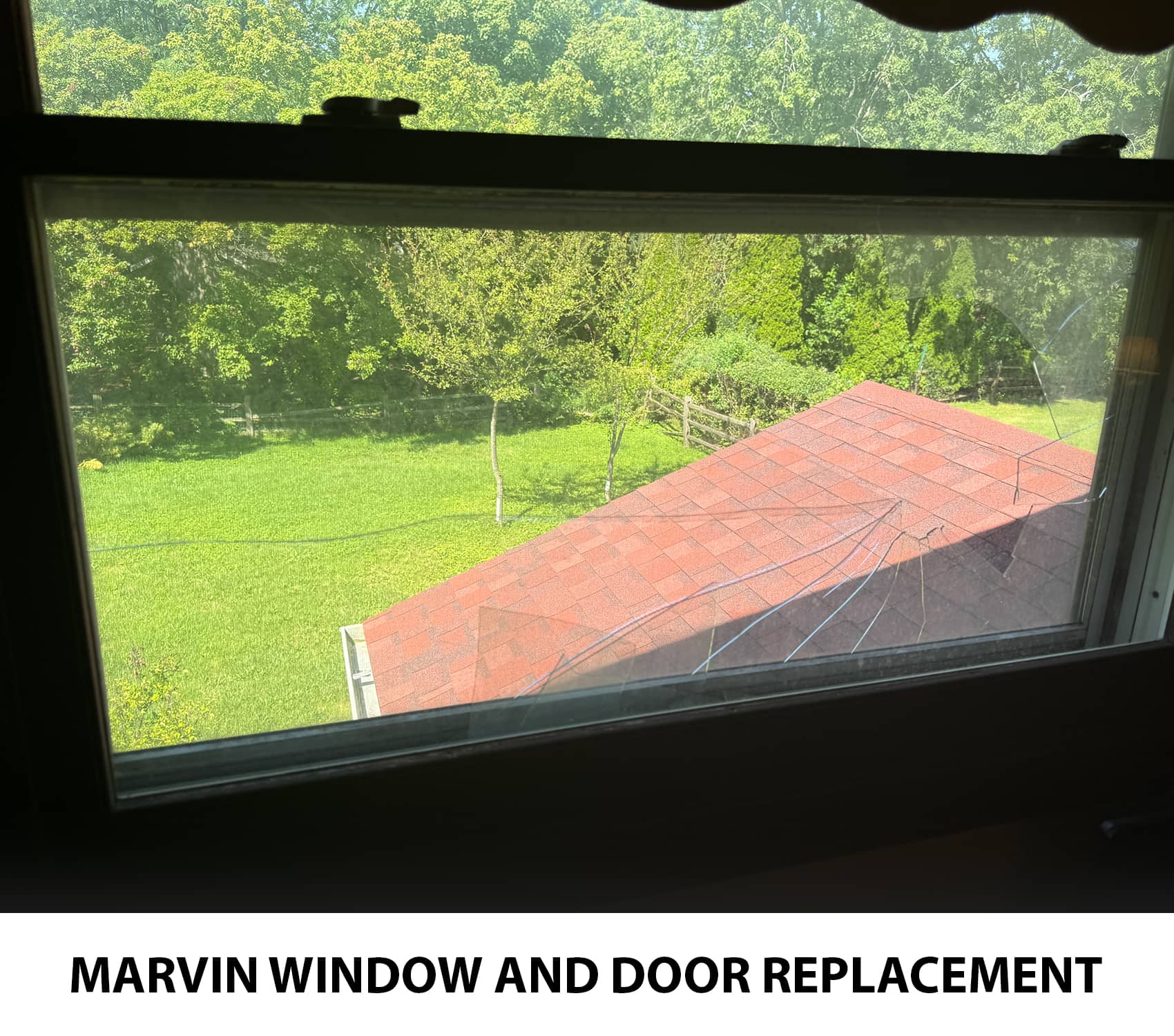
Once the glass shows visible damage, the repair route usually moves toward replacing the glass itself or the entire insulated unit. Safety and performance depend on matching the original glazing setup correctly, so this is not the kind of issue to handle by approximation. Broken glass becomes especially serious in doors and ground-level openings. At that point, the problem is no longer just about comfort, clarity, or heat loss. It also turns into a security concern.
Drafts when the window is fully closed
Air movement through a closed window usually means the unit is no longer pulling in and sealing the way it should. Flattened weatherstripping is one common reason. Worn contact surfaces can lead to the same result. In other cases, the hardware no longer draws the sash in firmly enough, and a draft on windy days starts slipping through the edge. In Arlington, VA, that kind of leak rarely stays small for long. Once the compression starts fading, heat loss increases, comfort drops off, and the hardware begins taking extra strain every time the unit opens or closes because it is working against drag, friction, or a sash that is no longer sitting evenly.
Hard to open/close, “stuck,” or inconsistent locking
When a Marvin window or door starts acting stubborn, the first suspicion usually falls on hardware or alignment, and often that is justified. But those are not always the only causes, or even the earliest ones. Manufacturer guidance points out that a sticking sash, rough travel, or day-to-day operating trouble can sometimes improve after a thorough cleaning or a limited repair. At the same time, those exact symptoms can also be the early warning that key components are beginning to wear out. That stage is worth catching before a stiff window turns into a stripped crank, a lock that stops engaging, or damaged hardware that pushes the repair into a more expensive category.
On double-hungs, the issue often comes back to sash position and balance performance. Casements and awnings more often point toward operators, hinges, cranks, and the sealing surfaces around the sash. Tilt-turn units add more complexity because of their multi-point locking systems and more specialized hardware. Doors have a different set of failure points altogether: rollers, tracks, threshold wear, sill condition, and lock alignment. A small change in any one of those areas can make the whole unit feel heavy, awkward, and inconsistent.
Water intrusion, staining, or recurring wetness
Water-related trouble should be treated as a warning about the whole assembly, not brushed aside as a small nuisance. Moisture between panes, repeat leaks, staining on trim, or signs that the wood is starting to break down can all mean water is collecting where it should not be, often beyond easy view. Once that begins, the damage usually builds one layer at a time. Mold, mildew, warped parts, and even structural weakening become realistic concerns, and sometimes replacement becomes the more dependable long-term answer. In Arlington, VA, where wet weather and seasonal swings keep testing vulnerable openings, that kind of pattern usually moves faster than it first appears.
Sliding doors and patio units deserve a close look at the sill and threshold because that is where drainage either works or fails. When the track stays damp, fills with grit, or gets packed with debris, recurring water intrusion can begin even while the door still looks passable at a quick glance.
Wood swelling, cracking, soft spots, or rot
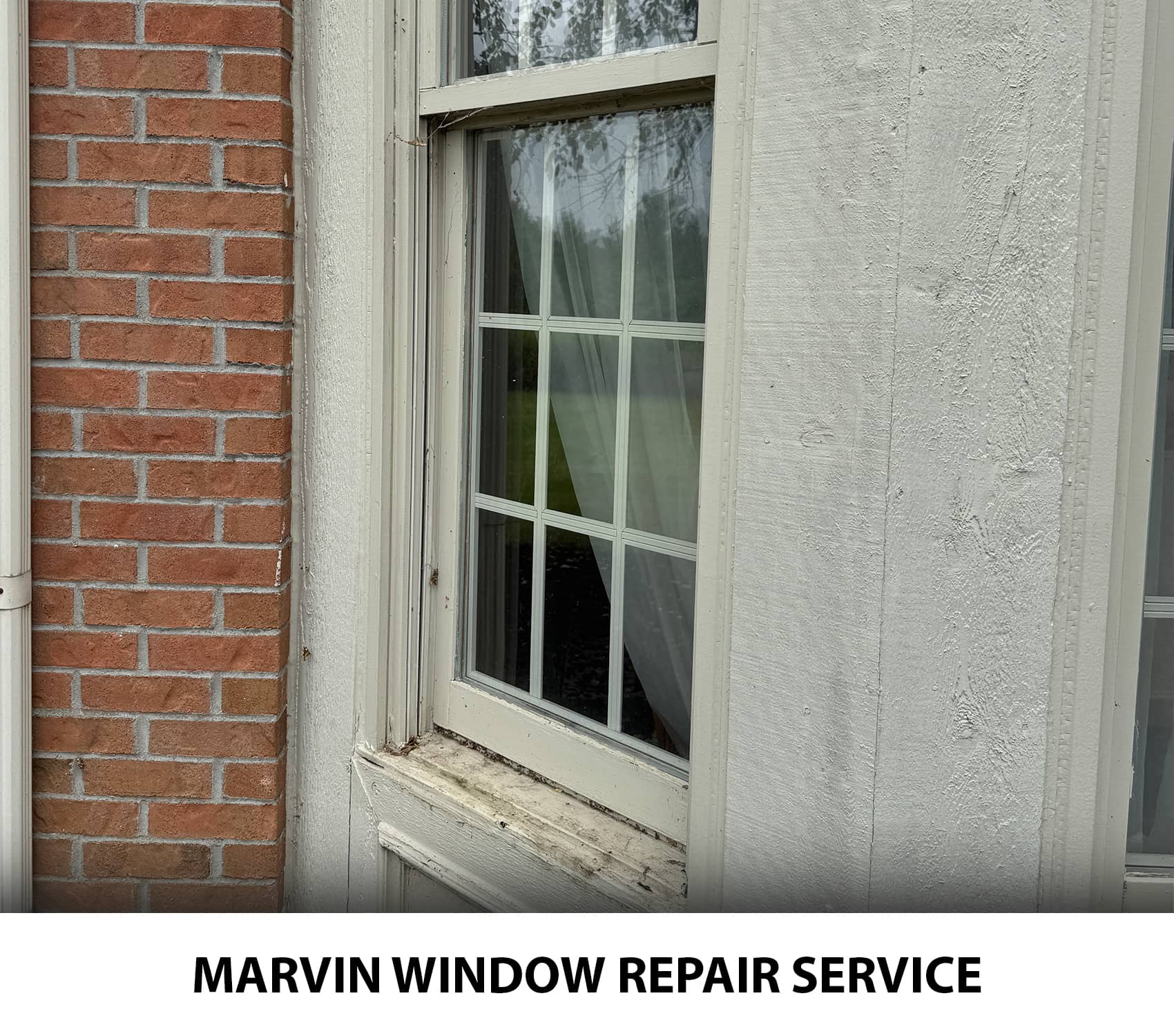
Swollen wood and surface splitting usually point to continuing moisture exposure, not one isolated event. Rot in the sill, sash, or frame is more than a visual defect. It weakens the structure, affects the fit, and often makes sealing and hardware performance worse at the same time. Once that pattern sets in, the chances go up that repairs will keep repeating, or that full replacement will stop being one option among several and become the only stable way forward.
Window and door types: why the type changes the fix
A “Marvin problem” is almost never one standard kind of failure. The same symptom, whether it is a draft, a sash that sticks, or a lock that suddenly stops meeting up the way it should, can begin in very different parts of the unit depending on how that window or door is built to operate. Once the exact type is identified, the repair route usually becomes much easier to read. Instead of reacting only to the symptom, the work can focus on the area of the system that most often creates that specific trouble.
Casement and awning windows
Casement and awning units rely heavily on the operator, hinge movement, and the sealing line around the sash. When they start feeling tight, dragging as they move, or refusing to pull in firmly, the cause is often not just one worn part but a mix of hardware wear and alignment shift. Getting the sash moving again is only one piece of the repair. The bigger part is bringing back the right pressure against the weatherseal, because easy movement and a proper seal both depend on the same mechanics working together.
Double-hung windows
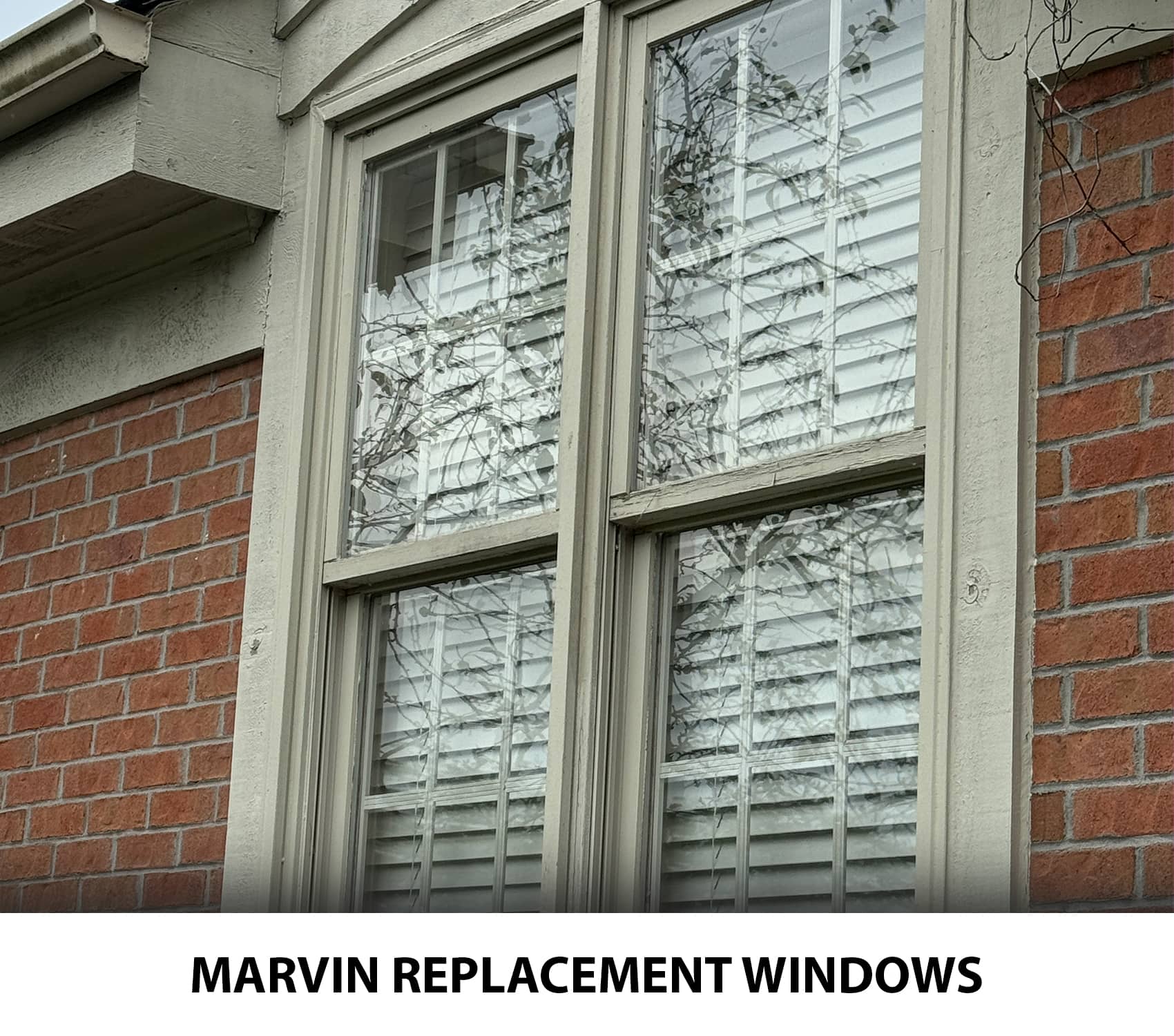
Double-hungs usually wear down gradually rather than all at once, most often through balance fatigue and sash drift. Once the balances stop carrying the sash the way they should, the window may move unevenly, catch midway, or slide back down instead of holding position. When the sash starts meeting the frame out of line, drafts usually start showing up soon after. From there, the wear often picks up speed, because the seals are no longer being compressed evenly across the opening.
Tilt-and-turn windows and doors
Tilt-and-turn units are built around dual-action hardware and more involved multi-point locking assemblies. In real service conditions, they behave like one coordinated mechanism rather than a collection of unrelated parts. When one section falls out of sequence, the whole unit can start feeling jammed, stop locking the way it should, or lose the snug seal it used to have. Repair usually comes down to restoring alignment and resetting the hardware timing so the multi-point system can engage in the proper order again.
Sliding windows and sliding patio doors
Sliding units live or die by the condition of the rollers and the state of the track. Smooth travel depends on both. A clean, properly supported track helps the panel move without fighting back, while alignment and weathersealing are what make the unit close tight afterward. When a slider starts dragging, scraping, or moving with that gritty, heavy feel, the roller-and-track setup is usually the first thing that deserves attention. When the problem shows up as drafts or repeat water intrusion instead, the sill and lower track need a closer look too, because that is often where drainage and sealing either work together or start failing together. In Arlington, VA, that difference becomes even more important once moisture, dirt, and seasonal shifting begin collecting in the bottom track.
Picture windows and specialty shapes
Fixed windows do not have moving hardware, but that does not make them trouble-free. They can still develop seal failure between the panes, and they can still leak where exterior joints meet the frame. Specialty shapes, including round-top units, push the repair or replacement discussion into a different category because fit and sizing usually become much more custom. Put simply, even when the issue seems limited to the glass, a shaped opening can turn measuring, quoting, and replacement into a far more exact job than a standard rectangular unit.
Bay and bow assemblies
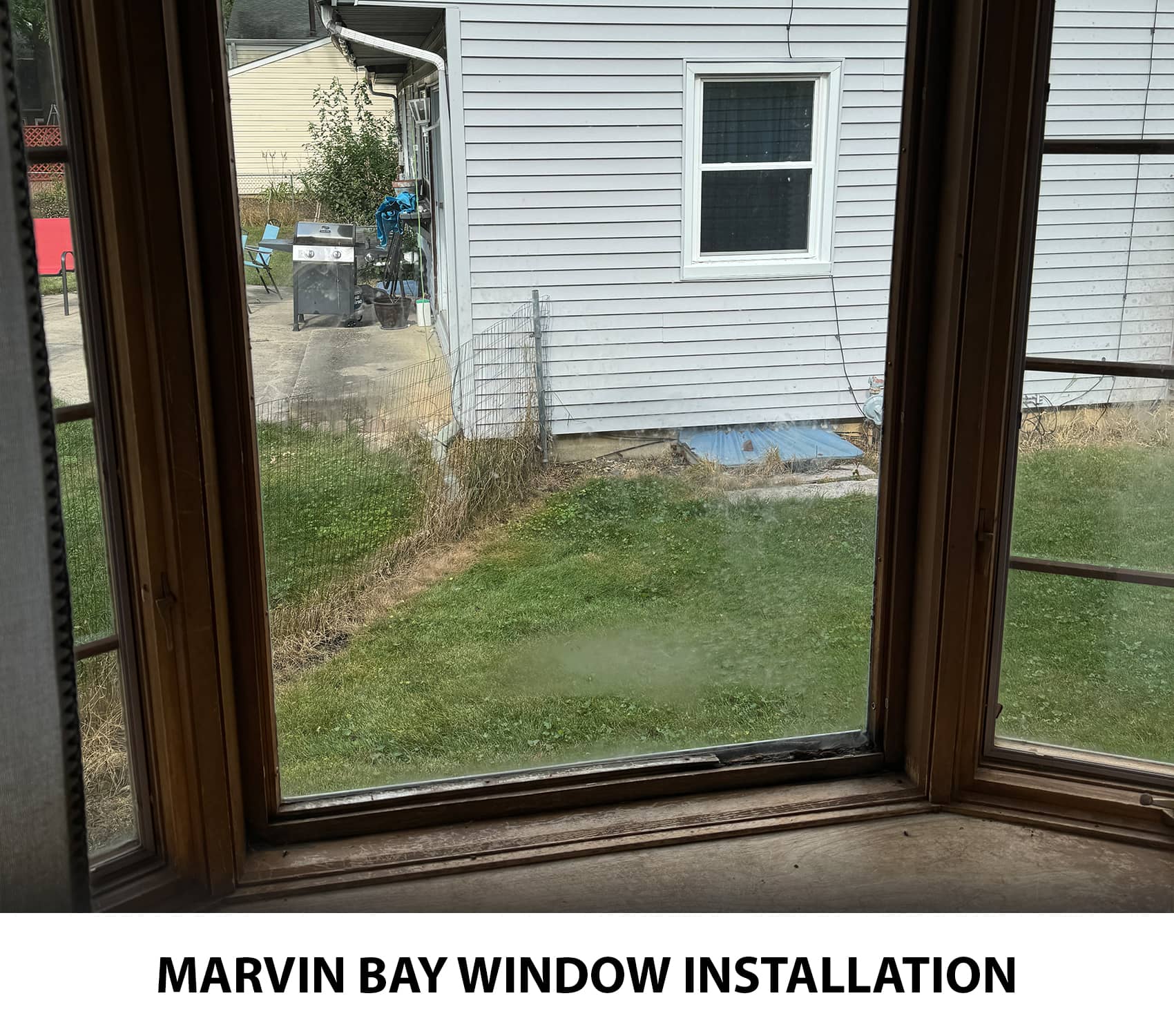
Bay and bow units combine several windows into one larger system, often finished on the interior with elements like head boards and seat boards. Some versions come with those boards factory-applied, which gives the inside a cleaner and more finished look. From a service standpoint, that construction detail matters. Leaks, movement, and fit problems do not always begin at the most obvious edge of the window. Very often, the trouble starts where the individual units tie into each other. Repair has to treat the assembly as one connected structure, not handle each section like it belongs to a separate opening.
French and patio door systems
Doors bring threshold performance and security into the same conversation. Higher-end systems often use multi-point locking, and some sliding French door setups include that as a standard feature while also allowing a three-point lock upgrade for stronger protection. Screen design matters more than it first seems too. On some sliding French door models, top-hung screens are used so the panel travels more cleanly and is less likely to drag, jump, or slip out of track. In Arlington, VA, details like that can end up making a real difference once grit, moisture, and seasonal movement start working against the door system.
How the main repair categories are typically handled
Glass repair: foggy units and broken glass
When haze settles between the panes, the usual repair route is replacing the insulated glass unit. The same goes for glass that is chipped, cracked, or completely broken. In most cases, there is no durable shortcut around that. The important part is not simply putting in a fresh pane. The replacement needs to match the original glass package in size, performance, and function so the unit keeps working as intended rather than losing efficiency, clarity, or fit.
A useful way to look at it is simple: glass failure and frame failure are not the same problem. When the frame is still sound and the window itself is operating properly, glass-only repair can bring back clear visibility and thermal performance without the mess, expense, and disruption of removing the entire unit.
Hardware repair: cranks, hinges, balances, locks, rollers
A surprising number of windows that seem worn out are really suffering from tired hardware, not full system breakdown. Hinges, operators, balances, rollers, and locks all wear down over time, and poor alignment usually makes that process move faster. Good repair work is not just about swapping one bad part for another. The real job is finding what put that strain on the hardware in the first place, then bringing the unit back to smooth travel, consistent locking, and even, solid contact at the weatherseals.
The operating style changes where that diagnosis starts. On casements, the first place to look is usually the operator assembly and hinge position. On double-hungs, the trouble more often leads back to balance function and sash alignment. Tilt-and-turn systems rely on multi-point locking hardware working in sequence, almost like one timed mechanism. Patio doors follow their own pattern: worn rollers and track condition affect how the panel moves, while threshold shape and lock alignment play a bigger role in sealing and security. In Arlington, VA, those differences matter even more once grit, moisture, and seasonal movement start adding resistance to the system.
When hardware replacement does become necessary, compatibility turns into the main constraint. Repairs may use original parts when those are still available, or carefully selected substitutes that closely reproduce the fit and function of the original setup, so the unit returns to proper performance instead of limping along on a temporary patch.
Weatherstripping, seal surfaces, and caulking
When light drafts or small air leaks begin showing up, bringing the weatherstripping and the surfaces it presses against back into good condition can restore the compression the unit was designed to hold. That work often connects directly to hardware repair, because the hardware is what pulls the sash in and keeps steady pressure along the seal line. Fresh weatherstripping is often one of the strongest ways to cut down a draft on windy days, make the room feel more stable, and reduce air loss along the closing side.
Caulk and exterior sealant can help too when air or water is slipping in through outer joints. But that only goes so far. Sealant is supposed to support a sound assembly, not cover up a failing sash-to-frame seal or get spread over softened, deteriorating wood. When handled the right way, caulking and sealant work can help control water entry, reduce unwanted airflow, and add service life to the unit. In Arlington, VA, where wind-driven rain and seasonal expansion quickly expose weak joints, that distinction carries real weight.
Frame and sash restoration: rot and moisture damage
Wood restoration is usually where the difference becomes clear between a repair that actually solves the problem and one that only hides it for a while. In one real repair project, forty-nine Marvin aluminum-clad casement sashes were inspected, and thirty-two turned out to need replacement of rotted wood sections. The work involved fabricating eighty-four new pieces from pressure-treated wood. The key point was not the scale of the project. It was the repair method. The damaged wood members were replaced outright rather than having the rotten sections skimmed, filled, or patched over at the surface.
That matters because once a wood member has lost strength, a surface fix does not bring back the original sash profile or preserve the way it seals over time. Rebuilding the damaged area properly, or replacing that member entirely, is often what separates a lasting repair from one that fails again later.
There is also a practical complication with work like this: the sash often has to come apart and then go back together. In that same restoration case, the units were disassembled and reassembled, and several insulated glass panes cracked during the process and had to be replaced. That is not an alarmist language. It is simply part of realistic planning. Before approving major rot repair, it makes sense to confirm how accidental glass breakage is handled, whether replacement glass is part of the scope, and how the final finish will be blended so the repaired areas do not stand out, for example with stain matched to the surrounding wood.
Door repairs: rollers, thresholds, weatherseals, and locks
Doors tend to develop problems in some very familiar places. Even a slight amount of settling can move the panel just enough to make it scrape, drag in the track, catch near the jamb, or stop pressing firmly into the weatherseal. Worn rollers and fatigued track surfaces often need adjustment, servicing, or full replacement before the panel starts gliding the way it should again. Fresh perimeter weatherstripping can make a noticeable difference too by cutting down drafts and helping keep moisture from creeping in around the edges. Threshold repairs are common as well, especially when the lower sealing surface has cracked, worn unevenly, or started breaking down, since that area is often where water trouble first begins to show.
Locks and handles should be treated as functional parts of the door’s security system, not as decorative hardware attached at the surface. That matters even more on doors built with multi-point locking. When the panel does not latch the same way every time, the lock may not be engaging fully, and the door may also be failing to pull in tight against the seal line. In other words, a drafty door and a door that suddenly stops locking cleanly can both come from the same alignment shift, just showing up in different ways. In Arlington, VA, where wind and moisture quickly expose weak sealing points, that connection matters.
Water intrusion, thresholds, and drainage behavior
Water problems need to be traced back to where the water is actually getting in, not judged only by the stain, damp patch, or bubbled paint left behind. The leak path has to be found and corrected, damaged weatherseals have to be replaced, and drainage needs to work the way the door system was originally built to manage it. Doors deserve especially close attention here because the threshold, sill, or track area is often where failure begins.
One simple maintenance habit still matters even after the repair is done: a properly restored threshold or sealing system can start failing again when the sill and track stay packed with grit, leaves, or standing moisture. Keeping those areas clear and cleaning them carefully is part of preventing the same issue from coming back.
When repair stops making sense and replacement becomes the better move
Replacement starts becoming the stronger option when the unit underneath is no longer solid enough to support a dependable repair, especially once moisture damage enters the picture. Even so, not every symptom automatically points in that direction.
Manufacturer guidance usually treats some warning signs as reasons to look closer first, not as proof that the entire unit has reached the end. A window that feels sluggish, stiff, or uneven in motion may improve after a thorough cleaning or a limited repair. Draft-related comfort issues can move the decision toward replacement over time, but not in every situation and not all at once. The real shift usually happens when the signs begin pointing to hidden moisture, material breakdown, or structural weakening.
The conversation starts leaning toward replacement when the damage begins affecting stability, when mold or mildew is tied to ongoing moisture exposure, when parts have warped, when drafts keep returning after sealing and alignment corrections, when operation problems become repetitive, when locks stop feeling trustworthy, or when water-related symptoms continue showing up no matter what gets repaired. That may look like haze or condensation trapped between panes that never clears, staining around the opening, or visible wood deterioration. Moisture sealed inside the glass unit, active leaks, soft wood, darkened sections, or recurring water marks often suggest water is collecting out of sight. Once that process gets underway, warping, mildew, mold, and structural damage become much more likely, and replacement often stops being just one option and becomes the more stable answer.
It also helps to separate ordinary maintenance from actual system failure. Worn paint, flattened or dirty weatherstripping, and dulled hardware are often service-level issues, not automatic reasons for full replacement. Even condensation on the room-side surface of the glass can be completely normal, since it often comes from indoor humidity meeting colder glass and can even suggest the unit is still holding heat reasonably well. In Arlington, VA, that distinction matters, because seasonal humidity and temperature swings can make normal condensation look more serious than it really is.
When the line between repair and replacement still feels unclear, the most dependable next step is a proper inspection by a qualified contractor or Marvin dealer. That is usually the most accurate way to tell whether the problem stays limited to a repairable part or runs deeper into the opening and the window system itself.
Go / Caution / No-Go decision tool: repair vs replace vs full tear-out
|
Decision
|
When it usually makes sense
|
What to do next
|
|
GO (Repair)
|
Usually makes sense when the main frame is still solid, but one part of the unit has clearly failed. That often means a bad insulated glass unit, one localized hardware problem, drafts caused by worn seals, or operating trouble tied to balances, operators, or a smaller alignment shift while the overall structure still holds its shape.
|
Repair the failed part itself, whether that is the insulated glass unit, the hardware, the weatherstripping, or the alignment. After that, make sure the unit closes evenly, locks the way it should, and seals tight all the way around.
|
|
CAUTION (Consider Insert Replacement)
|
This direction starts to make more sense when several parts are wearing out at the same time, but the existing frame still looks square, dry, and structurally sound. It is often the middle ground when limiting disruption and keeping the original trim matter more than a full tear-out.
|
Consider insert or frame-in-frame replacement, but only if the current frame is truly in good condition. The frame needs a careful check before moving forward.
|
|
NO-GO (Full-Frame Replacement)
|
Full-frame replacement becomes the stronger option when there is frame deterioration, material failure, staining, leaks, or rot that suggests hidden moisture, or when earlier remodeling may have changed the opening and left structural problems concealed behind the trim.
|
Move to full-frame replacement down to the studs so the opening can be fully inspected and corrected the right way. Permit planning and older-home precautions may also need to be part of the process.
|
Insert vs full-frame replacement: what the choice really means
Replacement is not one single kind of job. The two main paths are insert replacement and full-frame replacement, and the difference between them goes far beyond wording or outward appearance. It changes how deep the work goes and what the project is really able to solve.
Insert replacement fits a new window into the existing frame after the old sash, hardware, and trim stops are taken out. This method is also called pocket replacement or frame-in-frame installation. It usually makes sense when the original wood or aluminum frame is still dry, stable, and worth preserving. Much of the inside and outside trim can often remain, the process is usually less invasive, and in many cases the cost comes in below a full tear-out.
Full-frame replacement is a much deeper kind of project. The existing unit is removed all the way back to the rough opening or the studs, and the new window goes into a rebuilt opening rather than being set inside an older frame. It usually brings higher cost, more labor, and often the removal of interior trim, exterior trim, and sometimes portions of siding too. In Arlington, VA, that deeper approach often becomes the smarter one when there is reason to suspect hidden moisture around the opening, especially once stains, soft wood, past leaks, or darkened material have already started showing up.
The value of full-frame work is pretty direct: it allows the installer to see what is actually happening around the opening and fix problems that an insert would leave hidden, including moisture damage and material deterioration. It is also often the better route when the existing frame is vinyl, when the frame itself is beginning to fail, or when the project calls for a real rebuild instead of trying to work around what is already in place.
Insert vs full-frame comparison table
|
Factor
|
Insert replacement
|
Full-frame replacement
|
|
Disruption
|
Lower; trim often preserved
|
Higher; deeper tear-out
|
|
Works best when
|
Existing wood/aluminum frame is structurally solid
|
Frame is damaged or moisture concerns exist
|
|
Main risk if chosen wrong
|
You keep a compromised frame and repeat the problem
|
You pay for scope you didn’t need (if frame was fine)
|
|
Best advantage
|
Speed and lower invasiveness
|
Inspection and correction of hidden damage
|
Conclusion
Marvin window and door problems usually stop seeming vague once they are sorted by system: glass, seals, hardware, moisture, and structure. Cloudiness between the panes usually points to insulated-glass seal failure. Drafts often trace back to lost compression. Rough operation usually leads to worn hardware or alignment drift. Any sign of water intrusion, staining, or rot deserves quick attention, because that is how concealed damage starts spreading behind the visible surface. In Arlington, VA, that kind of hidden moisture problem rarely improves by itself.
The soundest service decision comes from condition, not assumption. Repair is often the stronger route when the frame is still stable and the failure stays limited to glass, hardware, or sealing components. Replacement becomes the better answer when the system itself has been compromised, especially by moisture, and the choice between insert and full-frame work depends on whether the existing frame can still be trusted. Add a careful warranty review, realistic installation planning, and cleaning habits that truly fit the material, and the result is much more likely to last instead of turning into the next repeat repair.