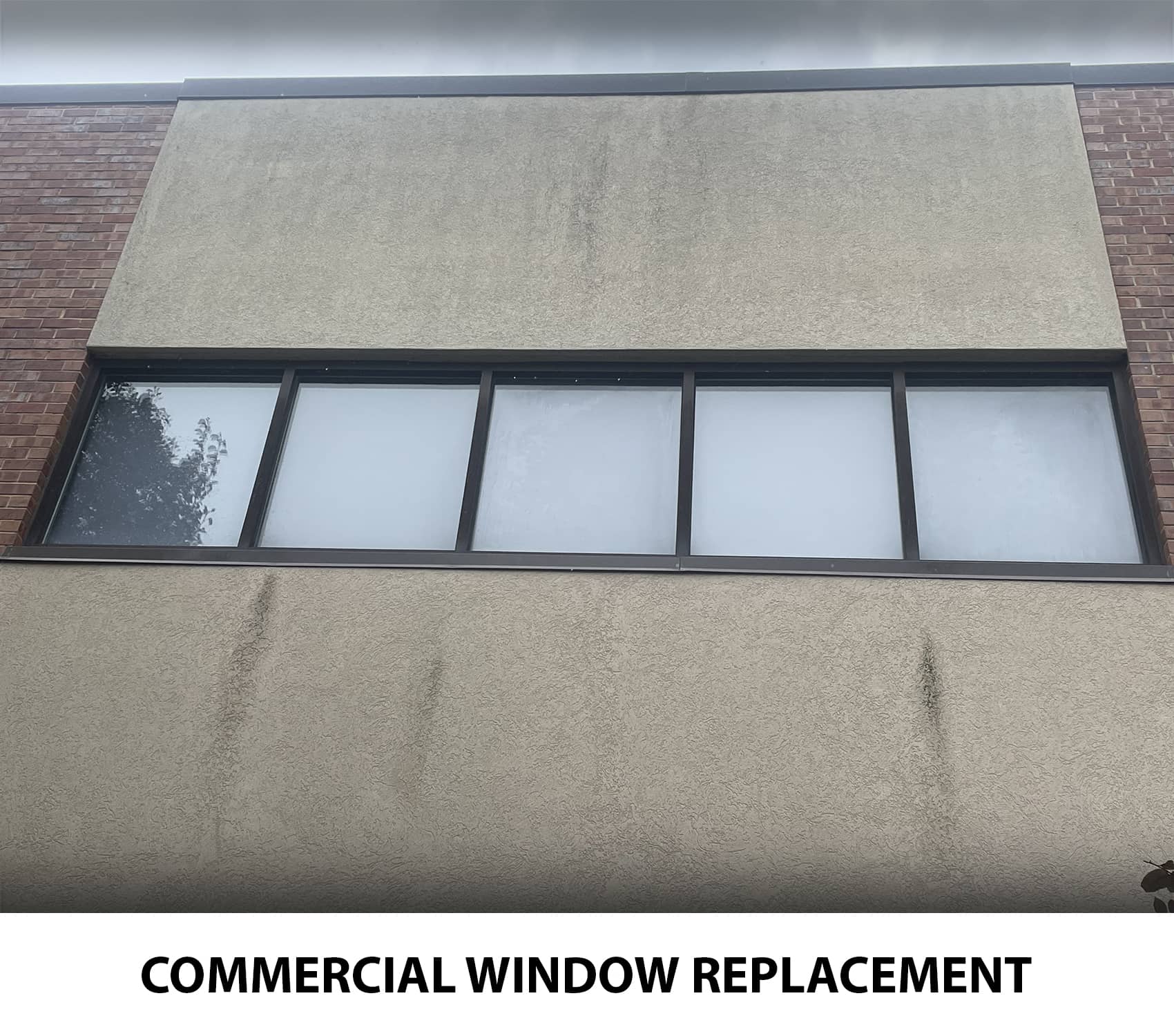
What Counts as “Commercial Glass” (and Why It Matters)
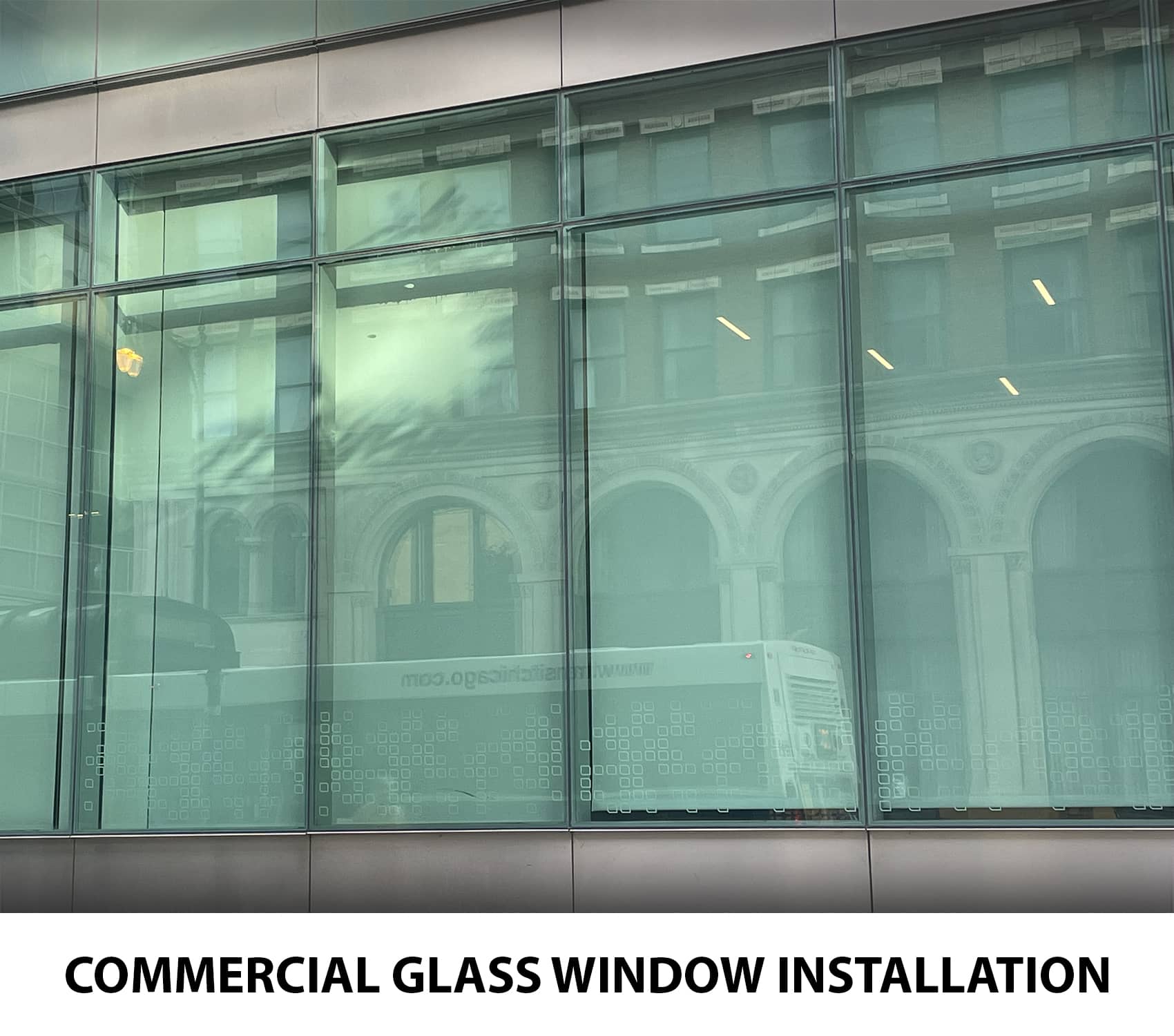
Commercial glass covers a lot more than the large front-facing panes most people notice first. In many buildings, that category also includes storefront doors, entry assemblies, interior glass partitions, aluminum-framed window systems, display glazing, curtain wall segments, and other units where glass, frame components, seals, and hardware have to work together, not separately. That distinction matters because the right repair depends on what is truly failing. In some cases, the glass itself is the issue. In others, the real trouble sits in a tired closer, a blown seal, a loose frame connection, or water that is no longer being directed away from the opening the way it should. A visible crack suggests one kind of failure. A draft during windy weather or damp material near the sill points in a different direction.
Commercial glass work also reaches into adjacent systems built around the same glass-and-frame assembly. Depending on the property, that may include railings, overhead glazed sections, protected openings, solar-control features, storm-style entry setups, and framing added during tenant build-outs. When lifts, access gear, and a glazing crew are already on site, it often makes practical sense to take care of related storefront glazing or commercial glass services in the same visit. That usually reduces repeat trips and keeps disruption more contained, especially around entrances, sidewalks, and other street-facing areas in Arlington, VA.
Commercial Window Materials and Assemblies (Wood, Vinyl, Aluminum, Composite)
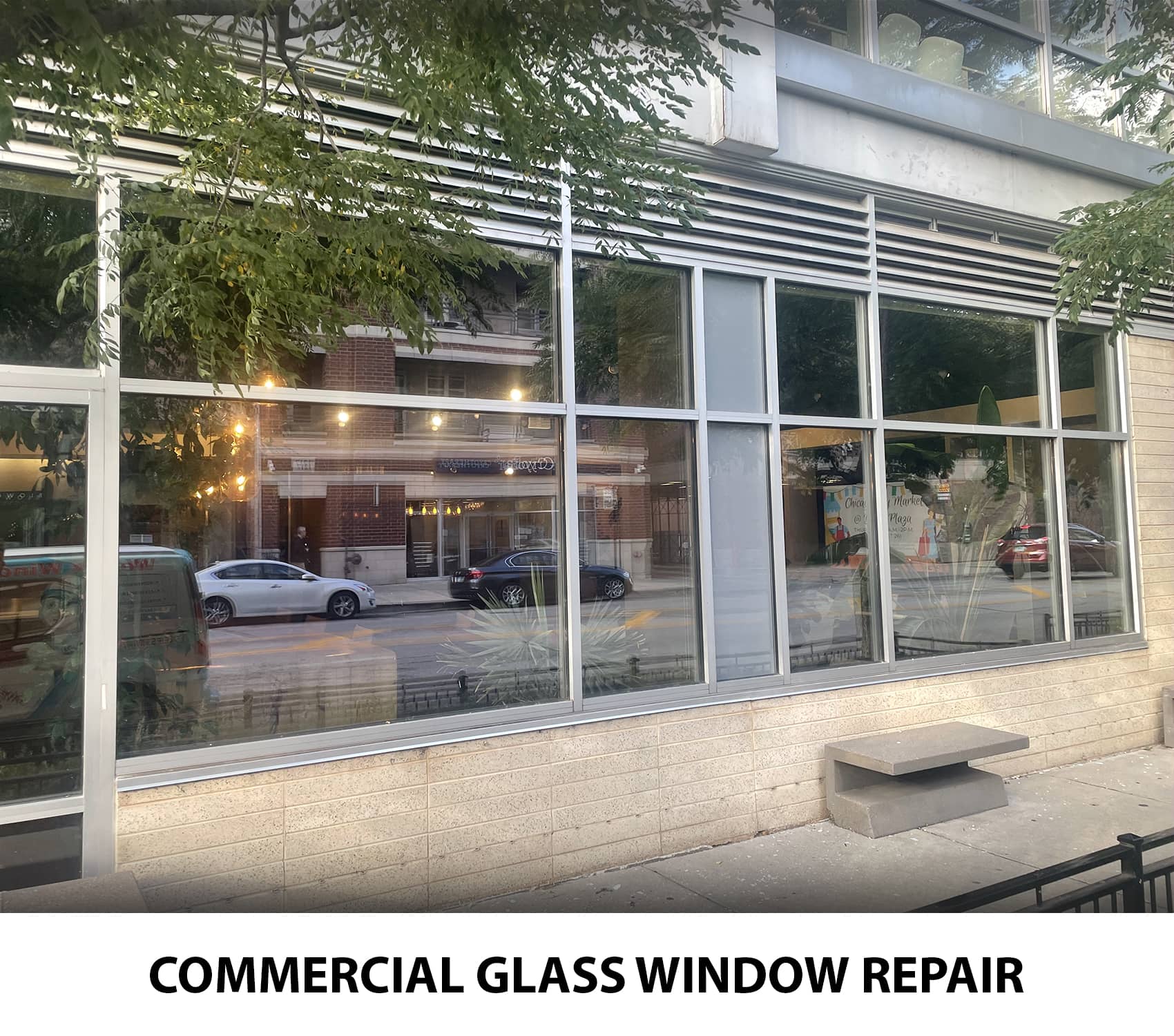
Commercial window repair is not just about whether the pane is broken or still sitting in one piece. The full assembly matters, and that usually comes down to the material, the profile, and the type of system already built into the opening. In Arlington, VA, aluminum storefront systems and commercial aluminum windows show up often, but some buildings still carry wood or vinyl units in certain areas, and some replacement routes move into composite products such as Fibrex. The opening may look similar at first glance, but the construction behind it is not the same. That changes the repair method in a meaningful way.
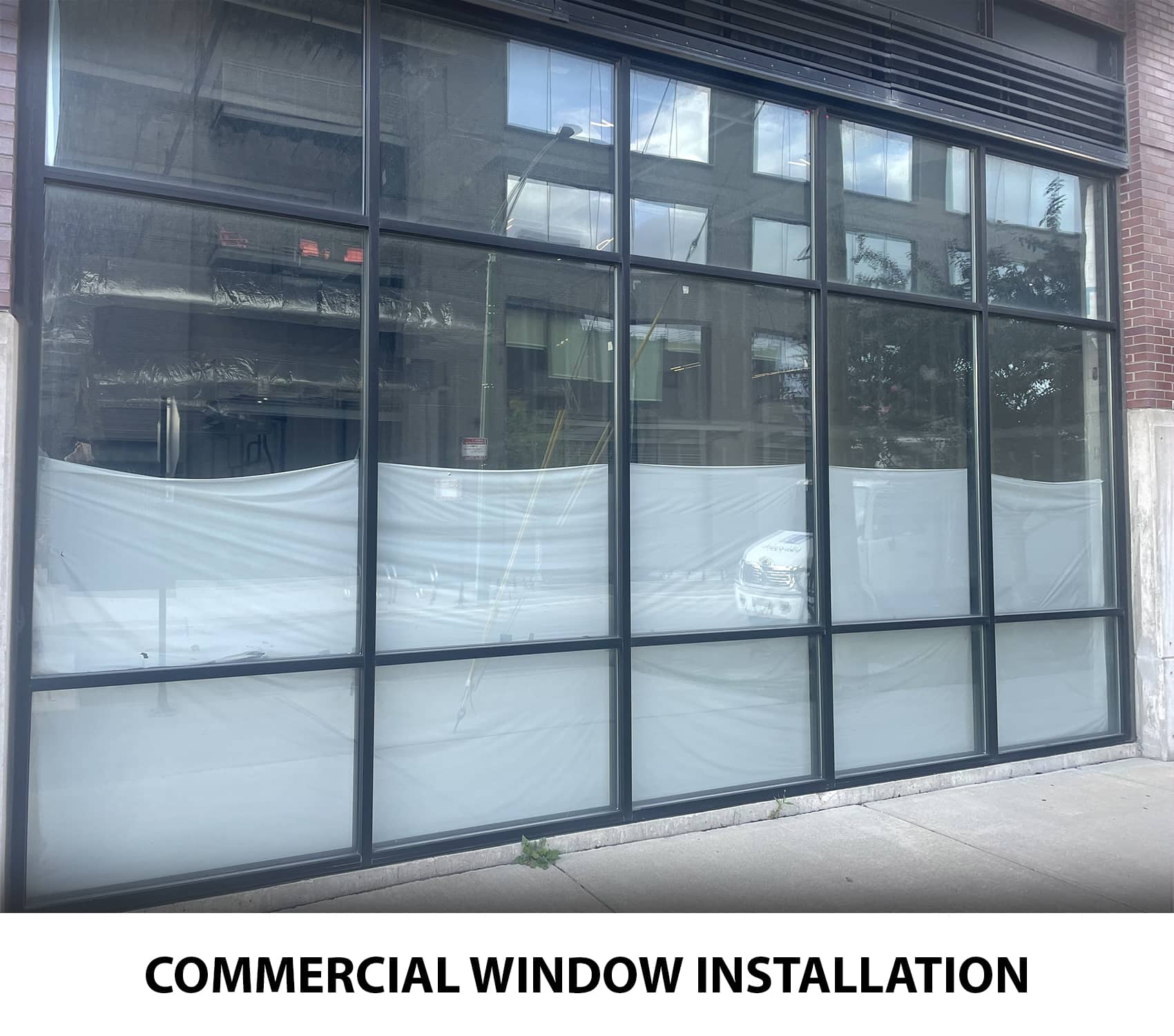
On day-to-day service calls, the failures usually fall into familiar categories regardless of material: cracked or failed glass, leaking seals, hardware that has slipped out of line, and water getting into places where it has no business being. Even so, the answer does not transfer cleanly from one assembly to another. Some systems can be realigned, resealed, or rebuilt without much trouble. Others are too far gone and shift into commercial window replacement instead. In most cases, the scope ends up revolving around glass replacement, frame repair, weather sealing, and related commercial glazing maintenance. Full replacement becomes the better call when the frame shows clear wear, seals have broken down enough to create drafts or trap moisture, thermal performance has dropped, street noise is pushing through more than before, or an older installation no longer keeps up with current energy demands.
Quick orientation table: material → typical service lane
|
Material / profile used on site
|
Where it tends to appear
|
What repair work usually focuses on
|
What replacement usually focuses on
|
|
Aluminum storefront systems / commercial frames
|
High-traffic entrances, door-and-glass combinations, openings where sealing matters a lot
|
Adjusting closers, locks, and hinges; resealing problem areas; selective commercial glass replacement; weather-control work around the opening
|
Moving to more efficient framing systems and updated commercial window glazing packages
|
|
Thermally broken aluminum systems
|
Areas where comfort, heat control, and energy performance carry more weight
|
Improving seal condition, correcting fit, and reducing heat loss through the assembly
|
Full replacement with thermally broken framing and upgraded glazing
|
|
Vinyl profiles (windows or doors where used)
|
Mixed-use buildings and selected commercial sections
|
Fit corrections, finish-related adjustments, and targeted component repairs when the system is still serviceable
|
Replacement with the matching vinyl profile already specified for that opening
|
|
Wood windows (where still present)
|
Older buildings or more traditional sections of certain properties
|
Localized repairs to keep the unit operating properly, hold alignment, and limit further movement
|
Replacement once reliable operation can no longer be restored with confidence
|
|
Composite profiles (for example, Fibrex)
|
Certain product lines where composite was part of the original package
|
On-site repair options are often more limited and narrowly scoped
|
Replacement with the selected composite system tied to that product line
|
This table is not meant to pin a problem on material alone. It is just a quick way to frame smarter questions before a scope gets approved. In Arlington, VA, that matters because two openings can look nearly identical from ten feet away and still need completely different work. One may still fall under commercial window repair or storefront repair, while the other is already leaning toward full replacement. The point is to get away from stock answers and bring the decision back to the real condition of the assembly.
When to Repair vs When to Replace (The Decision That Saves You Money)
Most commercial window and storefront problems usually break into two broad tracks: issues that can be corrected without removing the full assembly, and failures serious enough to call for commercial glass replacement, frame replacement, or both.
A practical way to sort the difference is fairly simple. When the main structure is still sound and the trouble comes from hardware, alignment, or sealing, repair is often the better path. When the frame has lost stability or the glass is cracked, shifting, or unsafe, replacement usually becomes the stronger call. That conclusion does not come from sales language. It comes from how these systems are put together and how they usually fail after years of real use.
Seal failure and hardware trouble show up constantly, and many of those cases still leave a clean repair route open. A storefront door that drags, sticks, or refuses to latch may be dealing with worn hinges, a weak closer, a tired lock or handle set, slight frame movement, or alignment that keeps the latch from meeting the strike where it should. Drafts do not always trace back to the glass either. In plenty of Arlington, VA storefronts, the real cause is dried-out gaskets, failed perimeter sealant, or narrow gaps that start pulling air inside on windy days. Problems like that often respond well to storefront door repair, commercial door repair, careful adjustment, resealing, and targeted part replacement.
Other conditions have already moved past the tune-up stage. Shattered panes, glass shifting inside the frame, bent framing, soft or damp material near the sill, and openings that cannot be secured usually push the job toward replacement, with immediate stabilization first. And replacement is not limited to the obvious blowouts. Cracks, chipped edges, deep scratches, failed insulated units, or water showing up around the frame can all justify new glass depending on the opening, safety demands, and the level of performance expected. In a solid service process, the condition gets identified first. The recommendation comes after that, based on the actual failure rather than guesswork or another recycled one-size-fits-all pitch.
Repair/Replace Decision Tool (Go / Caution / No-Go)
|
Situation
|
Go (Repair / Adjust)
|
Caution (Needs On-Site Assessment)
|
No-Go (Replace / Secure Right Away)
|
|
Storefront glass damage
|
The glass is stable, and the issue is limited enough that it does not create an immediate safety concern
|
Cracks, edge chips, or deeper scratches that may spread or raise questions about safety glazing
|
Shattered glass, loose glass, or any condition that creates an immediate hazard for staff, customers, or building occupants
|
|
Door performance
|
Dragging, sticking, or latch trouble tied to hinges, closers, locks, or handles
|
Repeated alignment problems or signs that the frame may be drifting out of position
|
Broken glass in the door, damaged framing, or an opening that cannot be secured properly
|
|
Air / water leaks
|
Isolated sealant or caulk failure that can be cleaned out and resealed
|
Ongoing water entry with no clear path identified yet, or visible drainage-related concerns
|
Active water intrusion that is weakening the assembly, affecting anchorage, or causing damage around the opening
|
|
Appearance matching
|
A like-for-like repair still makes sense because the existing appearance can be matched closely
|
Matching may be possible, but it will take field measurement, sourcing, and careful side-by-side comparison
|
Replacement is required, and the visual finish has to be rebuilt rather than blended into the existing condition
|
Why Commercial Windows Fail: The Usual Causes (So You Can Prevent a Repeat)
Commercial windows and doors do not wear out from one cause alone. In Arlington, VA, weather can shorten the life of a solid assembly by itself: wind-pushed rain, freeze-thaw cycles, summer heat, long stretches of UV exposure, and the occasional hailstorm all keep working on the glass, sealants, frames, and hardware little by little. Gaskets harden and lose flexibility. Closers and locks slip out of proper alignment. Air and water begin slipping through routes that used to stay shut tight. Then daily traffic adds another layer of wear. Delivery carts strike the frame, constant door use loosens components, random impacts happen, and sometimes vandalism finishes off what the weather had already weakened.
Much of that damage builds quietly instead of arriving in one obvious event. A bad seal can sit unnoticed for months, then a single hard storm leaves a wet floor near the entry or moisture staining around the sill. Door hardware can drift so gradually that the problem stays easy to ignore until the latch stops meeting cleanly or the door begins rubbing at the end of its swing. Once the real cause is pinned down, the commercial window repair or commercial door repair is often not especially complicated. The harder part is stopping the same issue from coming back. That usually depends on treating the opening as one connected system: glass, framing, sealant, drainage, and every moving piece that keeps the unit tight, stable, and workable.
Emergency Commercial Window and Glass Repair: What “Fast Response” Should Mean
Emergency service is not only about getting there quickly. It is about getting control of the situation before the damage spreads into something worse. When storefront glass breaks, the issue is bigger than the pane itself. There may be sharp shards across the ground, an exposed entry point, loose glass still trembling in the frame, and an immediate security problem for the property. A proper emergency response starts by making the area safe, securing the opening, and setting up the next stage so the final repair does not get reduced to a flimsy temporary fix.
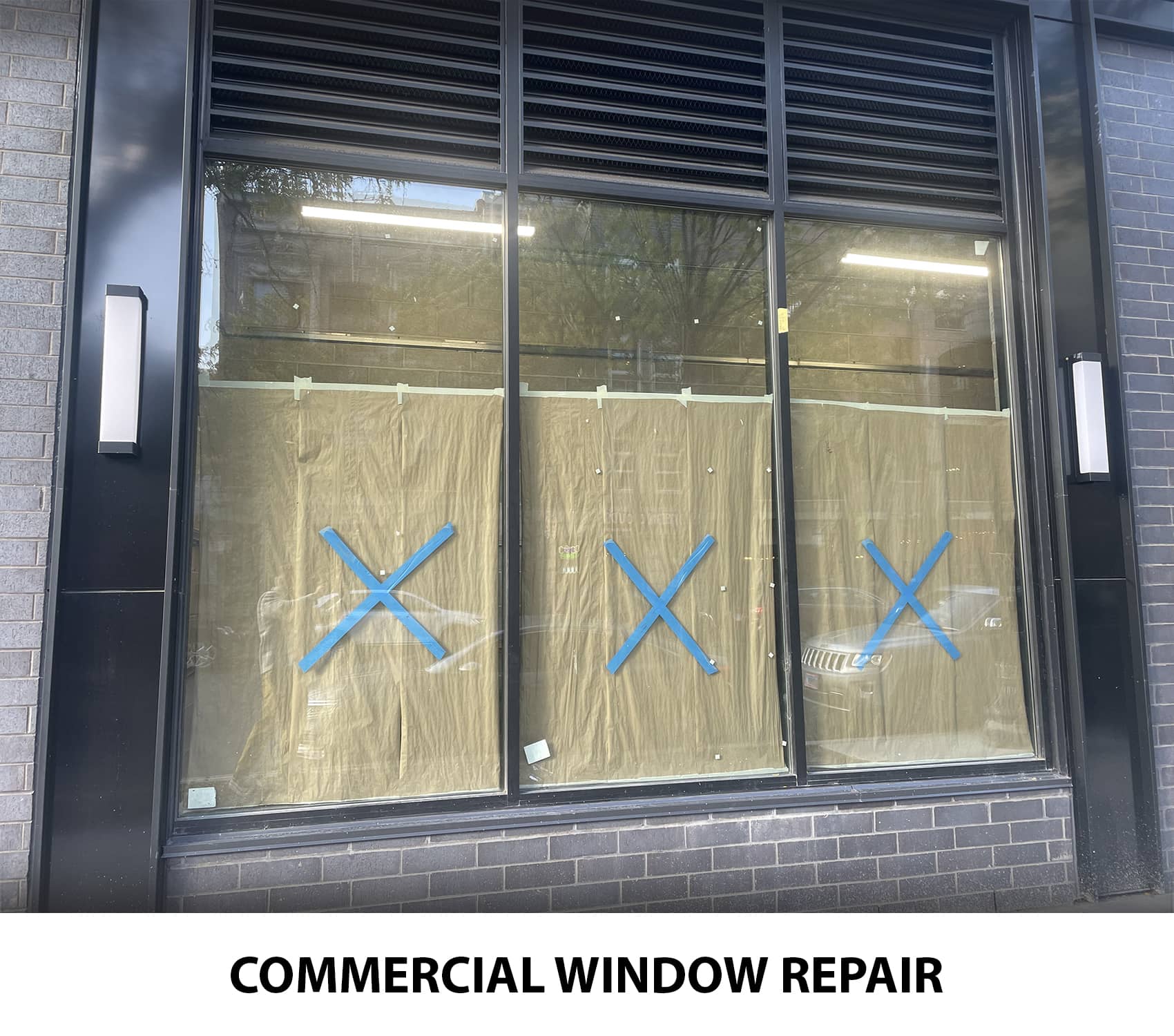
At the start, the first question is straightforward: can the opening be secured and made safe right now? That may mean temporary boarding, short-term stabilization, or another solid protective measure while field measurements are taken and the correct materials are ordered. After that comes the permanent work: storefront glass replacement, commercial glass replacement, proper sealing, and full function restored. In Arlington, VA, 24/7 response matters, especially for storefronts and other street-facing properties, but the order of the work matters even more. Secure the site first. Then finish the lasting repair. Otherwise the so-called quick fix has a habit of staying there much longer than intended.
Choosing the Right Glass (Safety, Security, Energy, and Code Reality)
Commercial glass is selected based on what the opening actually has to handle in daily use. In some locations, the main issue is safety. In others, security carries more weight, or energy performance does, or all of those needs overlap in the same opening. The right glazing choice depends on where that opening sits, how the building functions, and what kind of stress that part of the property is expected to take day after day.
A large share of commercial glass services comes down to a practical group of options: tempered glass, laminated glass, insulated glass units (IGUs), Low-E glass, and higher-security products such as bullet-resistant glazing when the setting calls for that level of protection. Because many commercial openings sit in public-facing areas or fall under safety-glazing rules, commercial glass installation, storefront glazing, and replacement work have to line up with the code and safety requirements that apply to that opening. The right glass is not something that gets chosen out of habit. It has to match the opening, the level of risk, and the real job the system is supposed to perform.
Glass Types at a Glance (Comparison Table)
|
Glass type
|
Best fit
|
What it adds to the opening
|
What to keep in mind
|
|
Tempered
|
Doors, entry areas, and other locations that fall under safety-glazing requirements
|
Breaks in a safer pattern for busy, high-contact areas
|
Once damaged, it is usually replaced rather than repaired, and the new piece has to be matched to the opening correctly
|
|
Laminated
|
Openings where staying intact after impact matters
|
Better hold-together behavior under force; often used in more security-focused applications
|
Specifications vary quite a bit, so the build needs to match the real risk level instead of relying on a generic assumption
|
|
Insulated glass unit (IGU)
|
Comfort control and energy performance
|
Better temperature control and a more stable indoor environment
|
Seal failure can pull performance down; in many cases, replacement becomes the practical solution
|
|
Low-E (as a coating option)
|
Projects aimed at heat control and indoor comfort
|
Helps reduce heat transfer and fine-tune overall comfort
|
Results depend on the full assembly, not the coating alone. Frame condition, seals, and the glass package all play a role
|
|
Bullet-resistant / higher-security glass
|
Higher-risk openings and security-driven locations
|
Greater resistance than standard glazing
|
Heavier, more complex, and only worth using where the setting genuinely calls for it
|
Some projects also bring in specialty surface coatings sold as lower-maintenance upgrades, often with claims about helping water run off more easily, holding less dust, or keeping the glass cleaner for longer stretches. In Arlington, VA, those options can make sense in the right application, especially when they are part of a broader commercial glazing or storefront glazing plan, but they still need to be judged as one part of the full assembly rather than as a stand-alone improvement.
Tempered Glass: Why You See It So Often in Storefront Doors
Tempered glass appears in storefront doors so often for a simple working reason. It goes through a heat-treating process that changes the way it reacts under stress and, just as importantly, the way it fails if breakage happens. In a busy commercial entry, the main advantage is not that tempered glass is unbreakable. It is that, when it does fail, it usually breaks into far smaller and less dangerous fragments instead of the long, sharp pieces commonly associated with standard annealed glass.
That is the main reason tempered glass keeps turning up in storefront doors and other openings where safety carries more weight. Even so, the exact location still matters. A fixed storefront panel, a vision lite in a door, and an interior glass partition do not face the same traffic, the same chance of impact, or the same everyday demands. The right choice depends on where the glass is installed, how the space is used, and what level of protection or performance that opening needs under normal day-to-day conditions.
Conclusion
Commercial window repair and glass replacement make the most sense when the opening is treated as a full working assembly, not simply as a pane set inside a frame. Repair usually makes sense when the structure remains solid and the failure is limited to one component or one part of the system. Replacement becomes the stronger call when safety, stability, or the overall condition of the assembly leaves too little room for compromise. The glass choice and the profile both have to match the opening itself, and the scope needs to be clear before one bid can be fairly weighed against another. After that, basic upkeep such as drainage checks, seal inspection, caulk touch-ups, lubrication, and routine cleaning does more to prevent repeat failures than almost any one-time fix.