Why Weather Shield repairs need a more careful approach
Weather Shield units usually need a narrower, more informed repair decision than the generic “window repair” label suggests. These are not the kind of windows and doors that respond well to broad, interchangeable fixes or off-the-shelf methods borrowed from simpler assemblies. The repair logic has to stay tied to manufacturer-compatible materials, correct service methods, and the way the unit was originally built. That difference is important. Higher-end doors and windows tend to break down piece by piece, not in one dramatic failure. When the diagnosis is rushed or too general, a unit that still has real service life left can get pushed toward replacement too early, or money can be spent on a repair that looks fine for a while but does not hold because the actual source of the trouble was never pinned down.
Before any recommendation makes sense, the unit needs a closer inspection with sharper boundaries: is the failure in the glass, the operating hardware, one deteriorated wood area, or in the frame and rough opening around it? That is the point where a durable repair separates from a short-lived cosmetic patch. The same careful standard matters when replacement is no longer avoidable. Weather Shield replacement guidance connects installation to trained, certified dealers and points to a 20-year materials warranty for replacement window installations. In practice, that sets a much higher bar for what proper replacement is supposed to be once repair stops being the better route.
The Weather Shield problems Arlington homeowners usually notice first
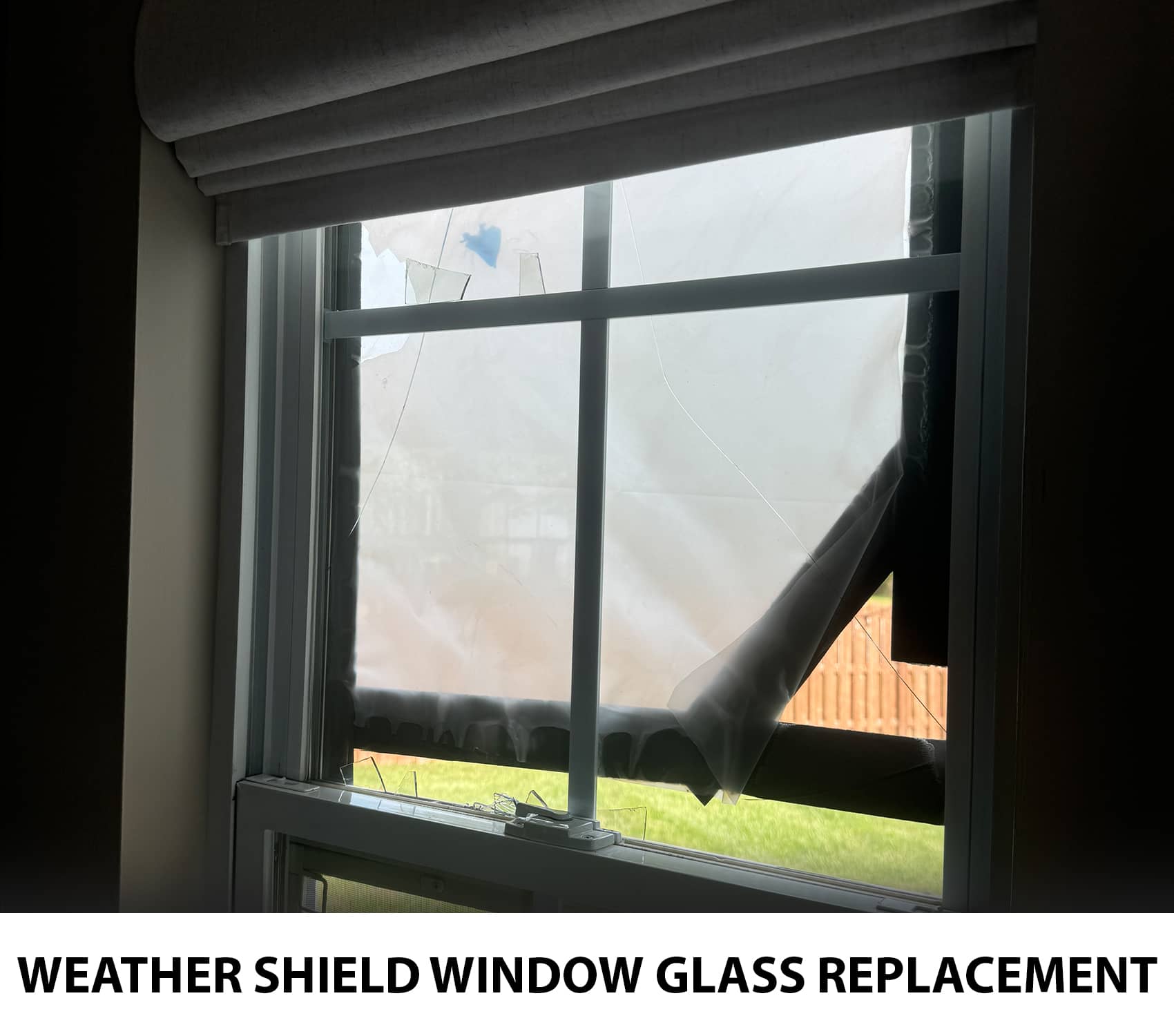
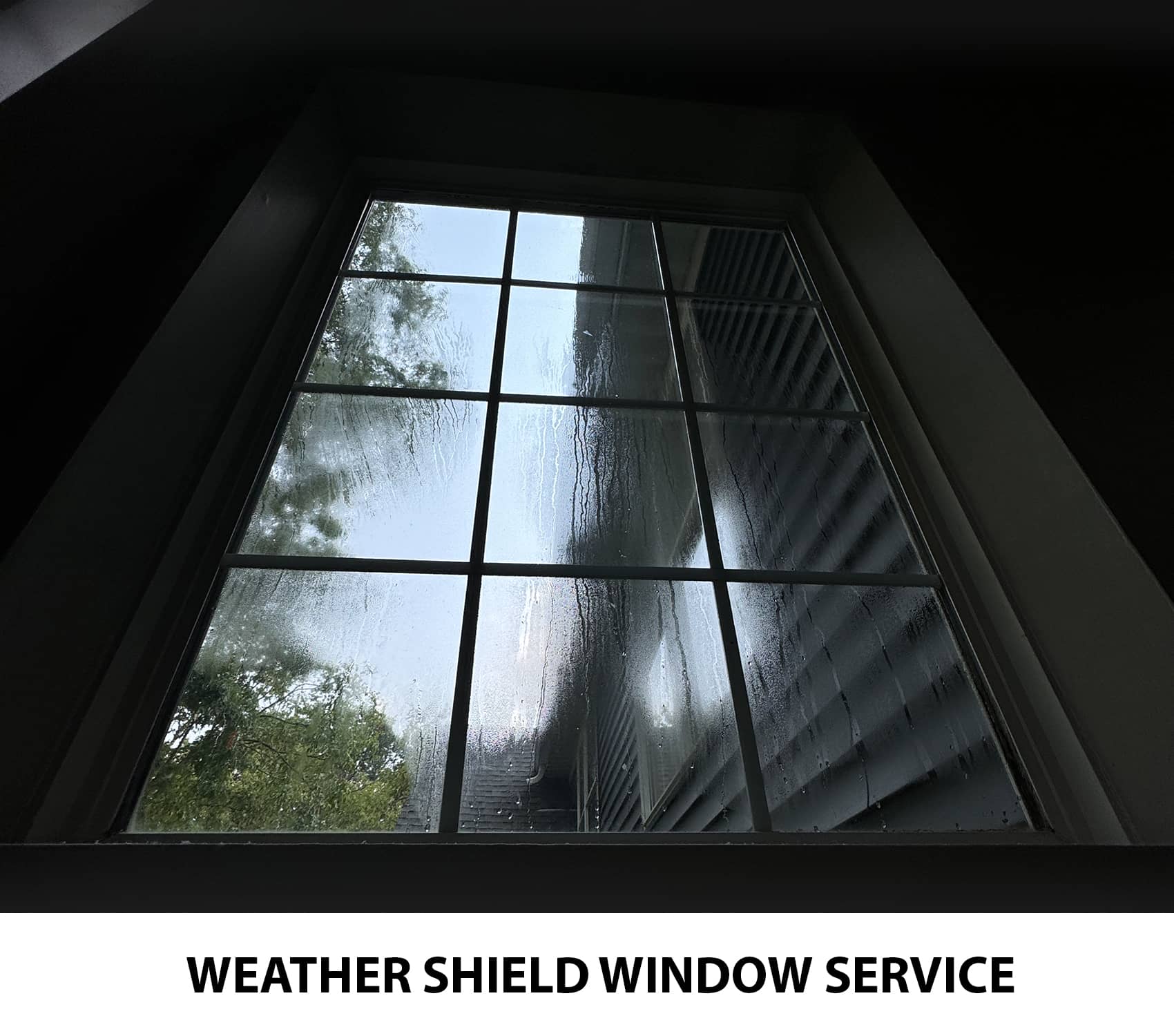
One of the most common complaints in Arlington homes is fogged glass caused by seal failure. The unit may still sit properly in the opening, but the view turns cloudy and the glass no longer insulates the way it should. This haze is different from ordinary surface moisture. It does not wipe away, because the film is sealed between the panes rather than sitting on the room side. Once that happens, the fix has to address the glass assembly itself, not basic cleaning or surface treatment.
Hardware trouble shows up just as regularly, and usually in ways that are hard to ignore. Cranks wear down, balances lose control, locks stop lining up cleanly, and sliding door rollers start fighting the track. A sash may rub every time it moves. A crank may spin with barely any effect. A lock may catch poorly or miss altogether. A patio door may start feeling heavier than it used to, almost as if it is being dragged instead of rolled. Problems like that usually trace back to the operating parts, not automatically to total frame failure. In many cases, that still leaves room for a targeted repair instead of full replacement.
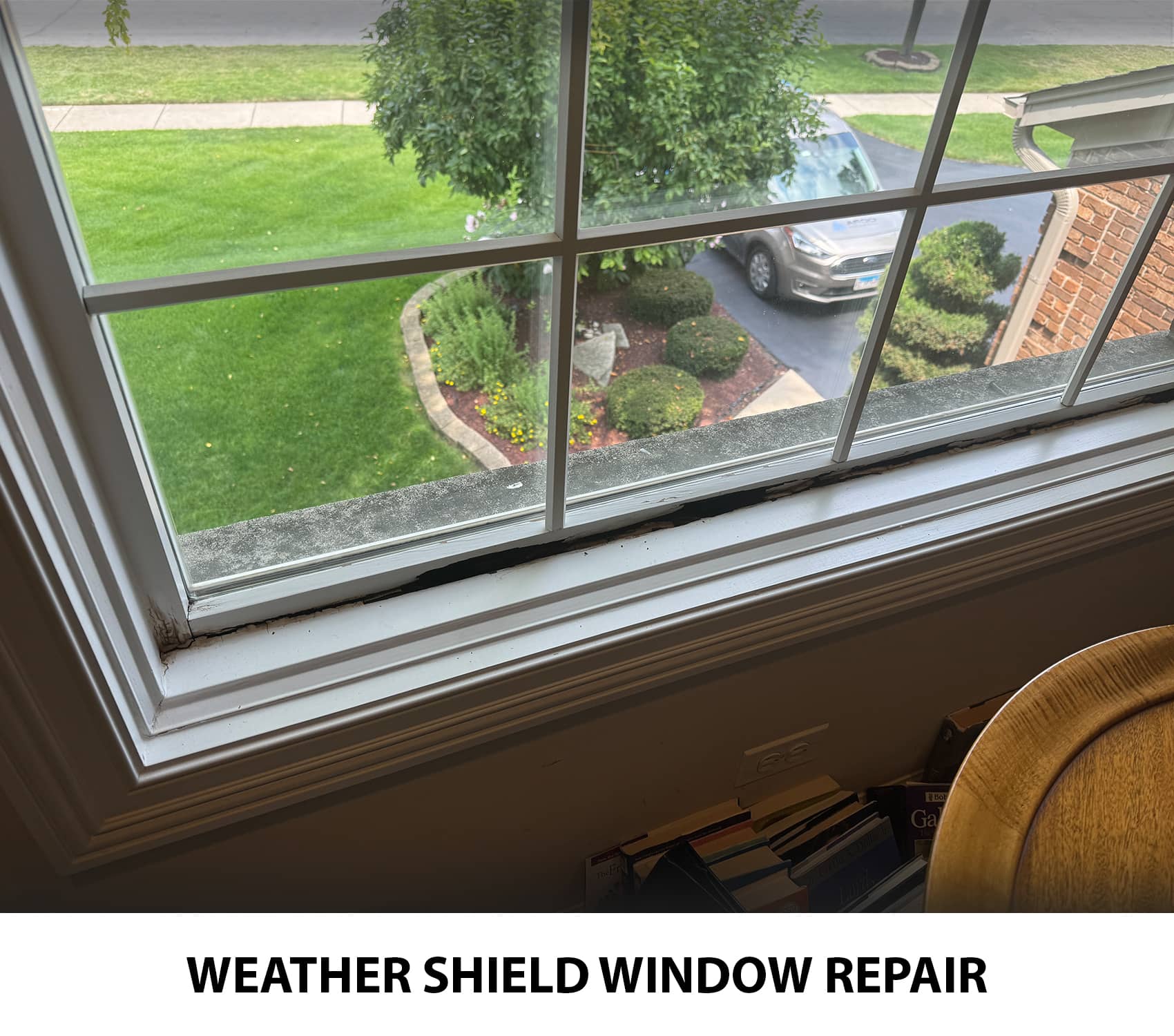
Wood damage takes a closer, more cautious reading. In the source material, decay most often shows up in the sill, sash, or frame. When the damage is still limited to one section, repair can extend the life of the unit and preserve the original appearance. But wood problems rarely stay neatly contained for long. A darkened lower rail, a corner that looks damp, bubbled paint, or a sill that gives a little under pressure can turn into a broader structural problem and push the unit out of the repair category.
The same repair-first logic applies to doors. Weather Shield sliding door repair stays part of the service conversation for the same reason: patio door failures often begin as part-level wear, not total system collapse. Worn rollers, failing locks, or hardware that no longer moves cleanly are common starting points. When the panel is still sound and the surrounding structure has held its shape, repair may be enough to bring the door back into reliable use. Once the assembly begins to feel loose, badly worn, or compromised in several areas at once, replacement becomes much easier to justify.
Repair or replace? Use this decision tool
An Arlington homeowner does not need a vague, hedged answer here. The more useful way to read a Weather Shield unit is to compare what is plainly showing at the opening with the level of work that opening can still justify. Some failures stay isolated. One bad part, one contained issue, and repair is still very much on the table. Other signs point somewhere else entirely. At that stage, the unit is no longer a good candidate for patch-and-keep work and has already crossed into replacement territory.
|
Condition found
|
Best path
|
Why this usually points there
|
|
Seal failure has fogged the glass, but the frame is still holding shape and the window or door still works normally day to day
|
Go: Repair
|
In many situations, the issue stays limited to the insulated glass unit itself, so targeted glass replacement can restore clarity and improve thermal performance without rebuilding the entire window.
|
|
Cranks, balances, locks, or sliding door rollers are worn out, while the main structure still feels firm
|
Go: Repair
|
Hardware wear is a routine service problem. By itself, it usually does not mean the full window or door assembly is finished or needs to be replaced.
|
|
Early wood damage is showing in the sash, sill, or one small section of the frame
|
Caution: Inspect closely
|
Localized wood repair may still be a reasonable option, but only when the deterioration has truly stayed contained and has not started moving deeper into the surrounding assembly.
|
|
The existing frame and opening are still worth keeping, but the goal is better performance with less disruption
|
Caution: Consider pocket replacement
|
Pocket replacement works within the current opening and leaves the frame, trim, and casing in place, which often makes it one of the cleaner and less invasive upgrade paths.
|
|
The unit is weathered, loose in the opening, structurally weak, or broadly worn across several areas
|
No-Go: Replace
|
At that point, repeated repair work usually stops making financial sense, and full-frame replacement becomes the more solid long-term answer.
|
When pocket replacement makes sense, and when full-frame replacement is the better call
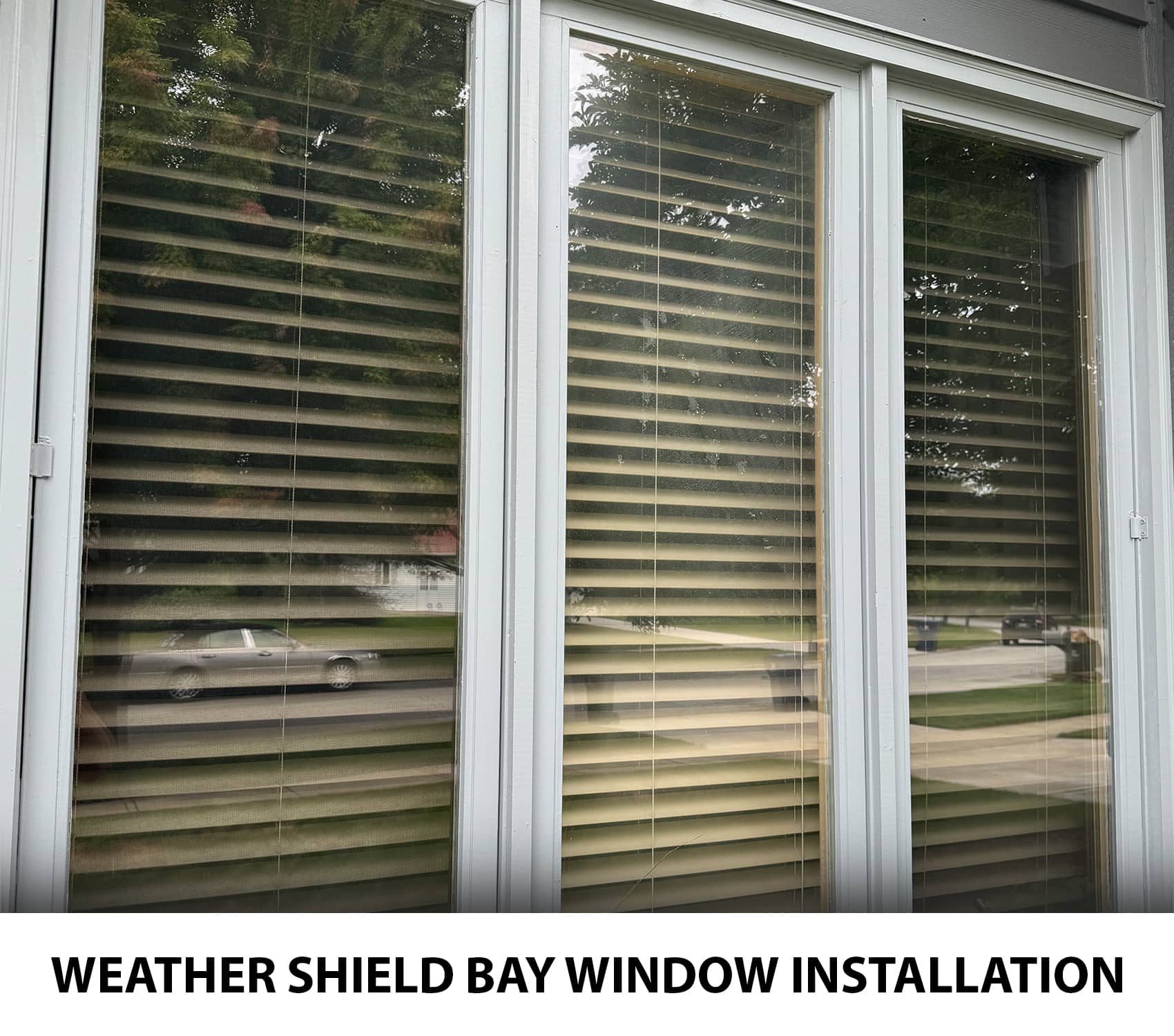
Weather Shield’s own replacement guidance makes this distinction more clearly than a lot of generic repair language does. Pocket replacement, also called insert replacement, means setting a new unit into the existing opening while leaving the original frame, trim, and casing in place. That route makes sense when the surrounding structure is still sound and the goal is a contained upgrade rather than a full tear-out. In real-world terms, pocket replacement is often one of the cleaner and more cost-aware ways to improve window performance without opening the entire wall and rebuilding from the outside in.
Full-frame replacement belongs to a different class of work. It becomes the better call when the old units are loose in the opening, visibly worn down, leaking air, taking on water, or starting to lose structural reliability. At that point, the problem is no longer tied to one failed component. When age, movement, poor fit, and broad deterioration start showing up together, the weakness is in the assembly itself, not just in the glass, hardware, or sash inside it.
For Arlington homes, that distinction matters because it changes both the scale of the project and the logic behind the decision. A stable opening with cloudy glass, dragging hardware, or a lock that no longer meets properly is one kind of job. A loose, tired, weather-beaten unit with deeper decline is another. Once those two situations get lumped together, the result is predictable: repairable units get replaced too soon, or money goes into repair work on a window that has already moved beyond that point.
Conclusion
Some windows and doors still have a clean repair path. Fogged glass, worn hardware, and wood damage that has stayed limited to one section often fall into that group. Others have already moved past it because the fit has gone loose, the structure has weakened, or the wear has spread beyond a single component. At that point, pocket replacement and full-frame replacement stop sounding like technical jargon and become the real decision sitting in front of the homeowner.
The most grounded way to handle Weather Shield window and door repair & replacement services in Arlington, VA is to identify the failed component first, then judge the condition of the surrounding frame or opening, and only after that decide whether repair, pocket replacement, or full-frame replacement truly matches the situation. That keeps the recommendation tied to the actual condition of the unit, not to guesswork, brand assumptions, or a sales-led script.