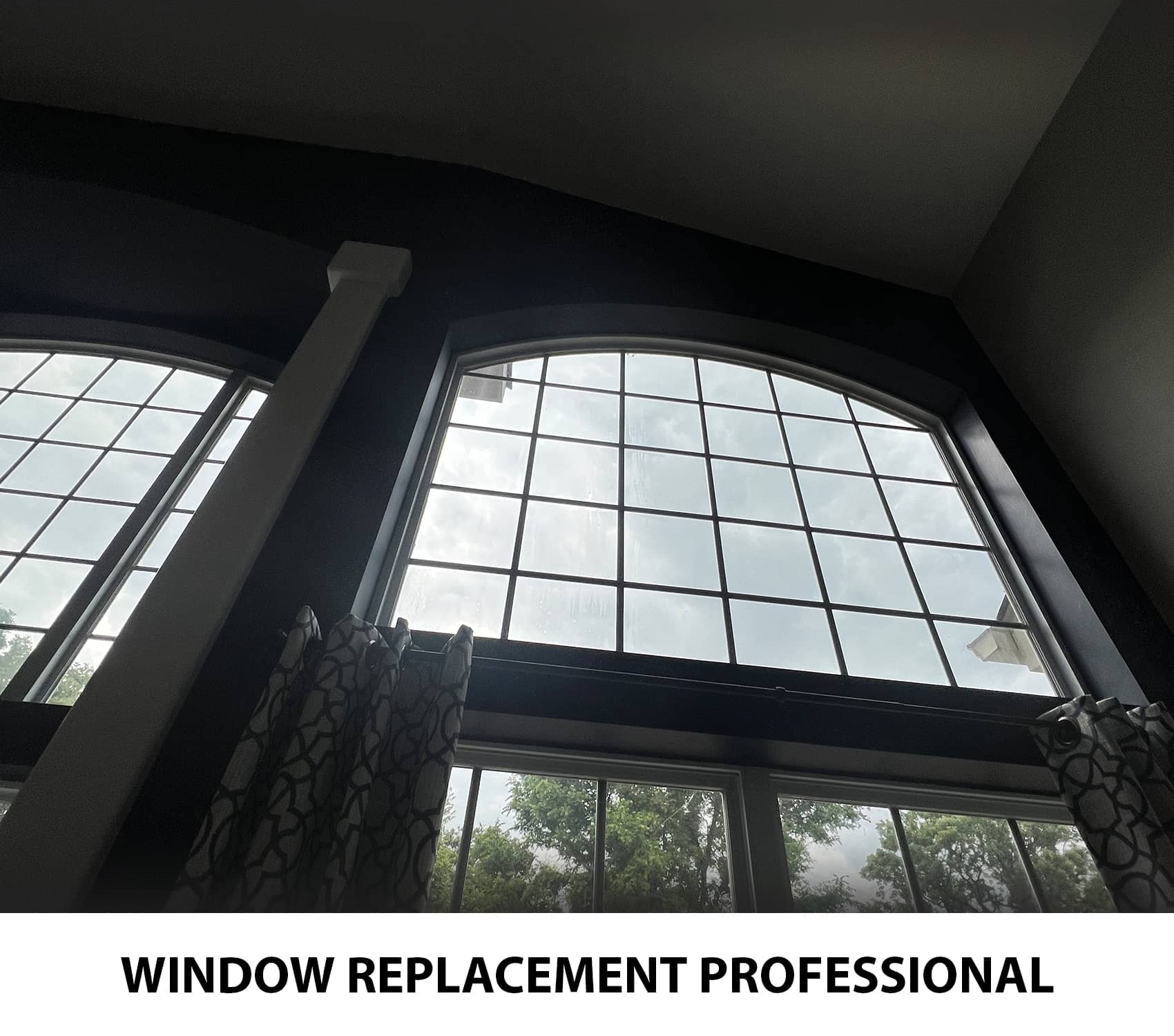
Arched vs Round-Top: What You’re Servicing
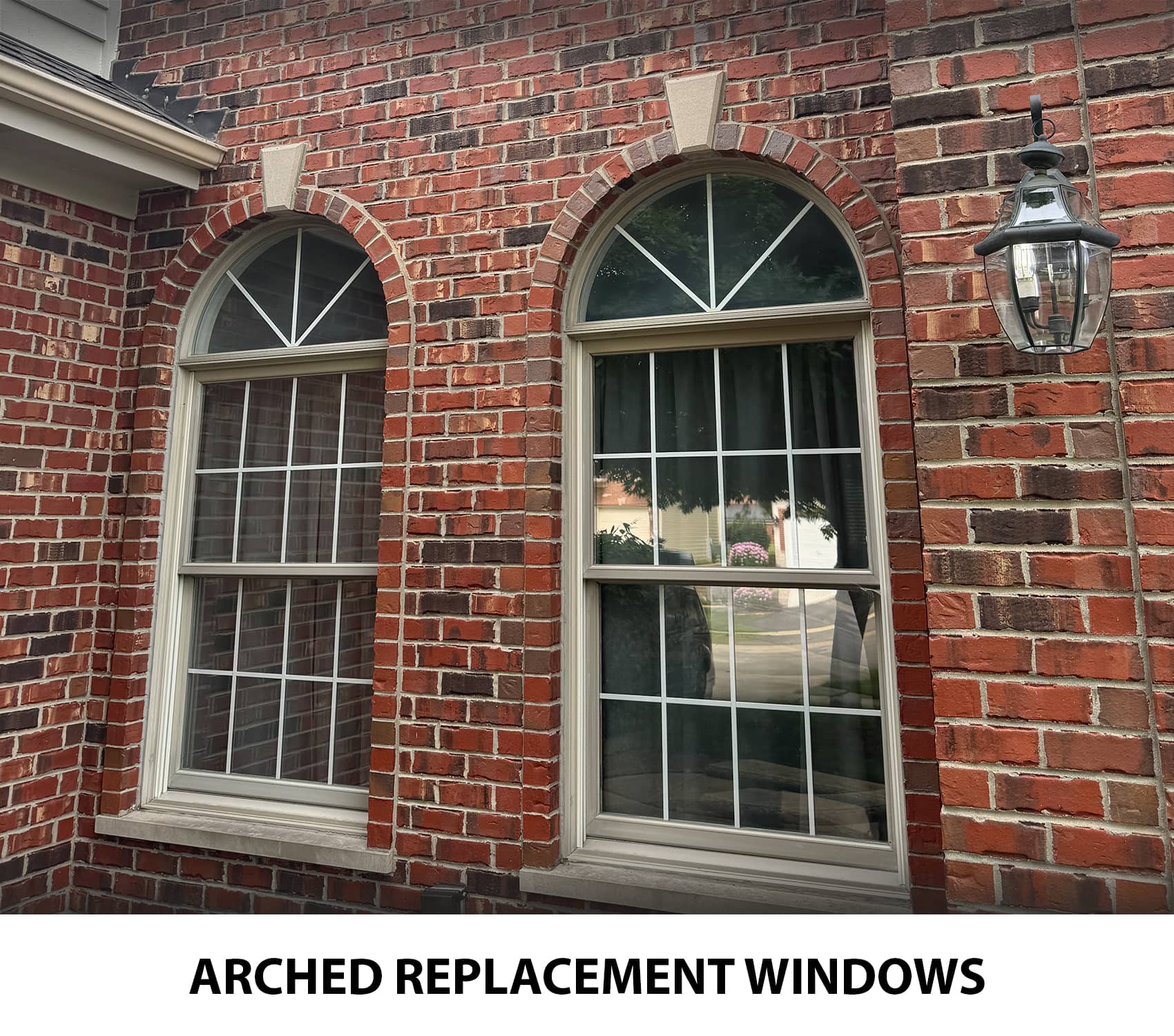
In everyday conversation, terms like “arched window,” “round-top window,” and sometimes “half-round” usually describe the same general thing: a window with a curved top. On an actual service call, though, one point matters right away. Many arched replacement windows, replacement arched windows, replacement round top windows, and replacement arch windows are fixed units with the glass set directly into the frame, so there is nothing there to open in the first place. Because of that, when the real complaint is trapped humidity, stale air, or a room that still feels stuffy, half circle window replacement or circle top window replacement is usually not about turning the arch into an operable window. Airflow typically comes from the unit below it, whether that is a casement, a single- or double-hung window, or a picture unit combined with side sections that do open.
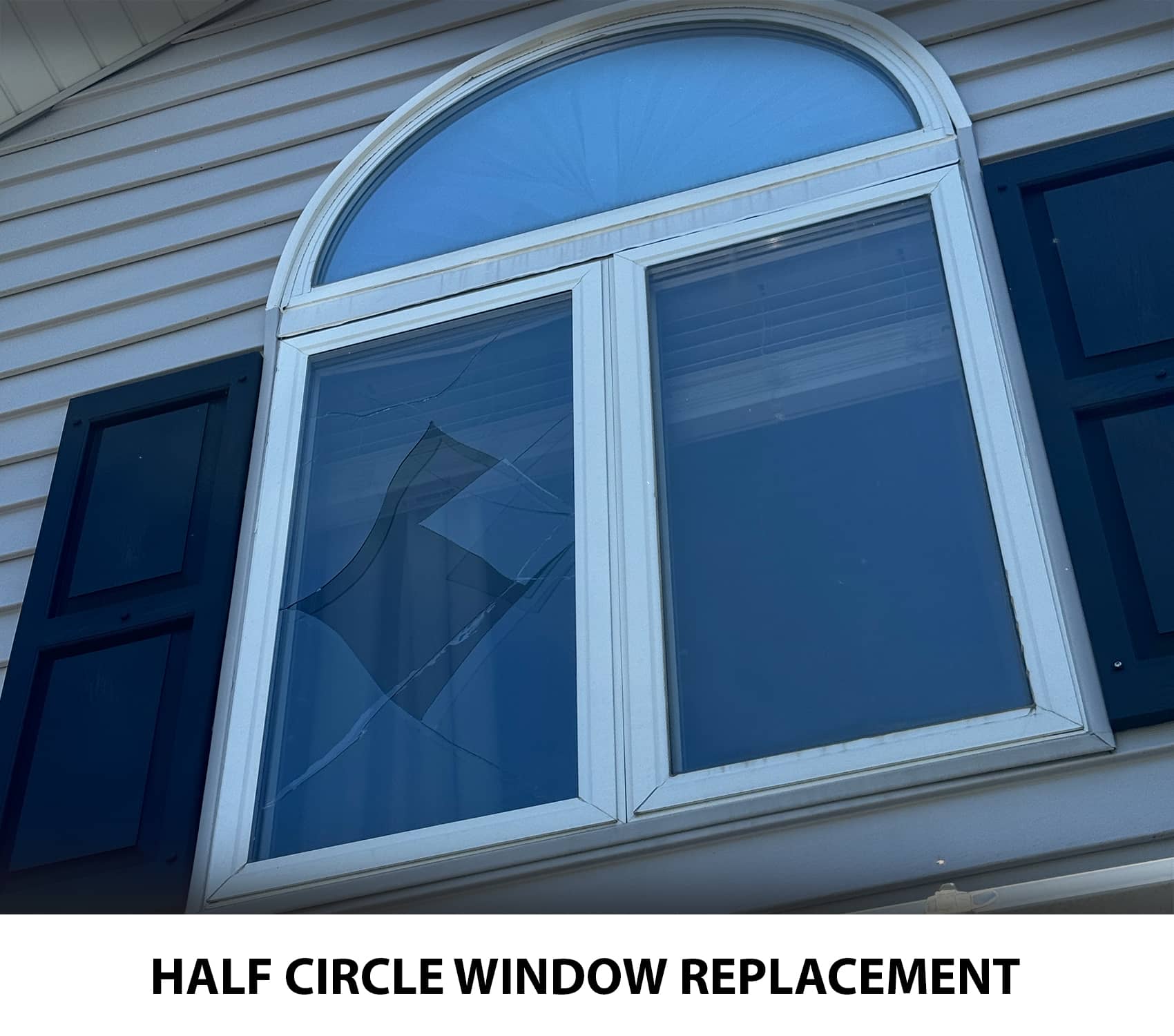
The practical rule is simple. A fixed arch in Arlington, VA does not lose ventilation because of age or wear; it was never built to supply ventilation at all. When air movement matters, the better answer is usually an arched layout with an operable section somewhere else in the assembly, or a setup tied to nearby windows that already open. If the fixed arch is already in place and the room still feels close or damp, replacing arched windows usually makes the most sense only after the surrounding venting units have been looked at first, while half round window replacement or replacement palladian windows enters the picture only when the upper section itself has a failed seal, fogged glass, frame trouble, or darkened wood near the curve.
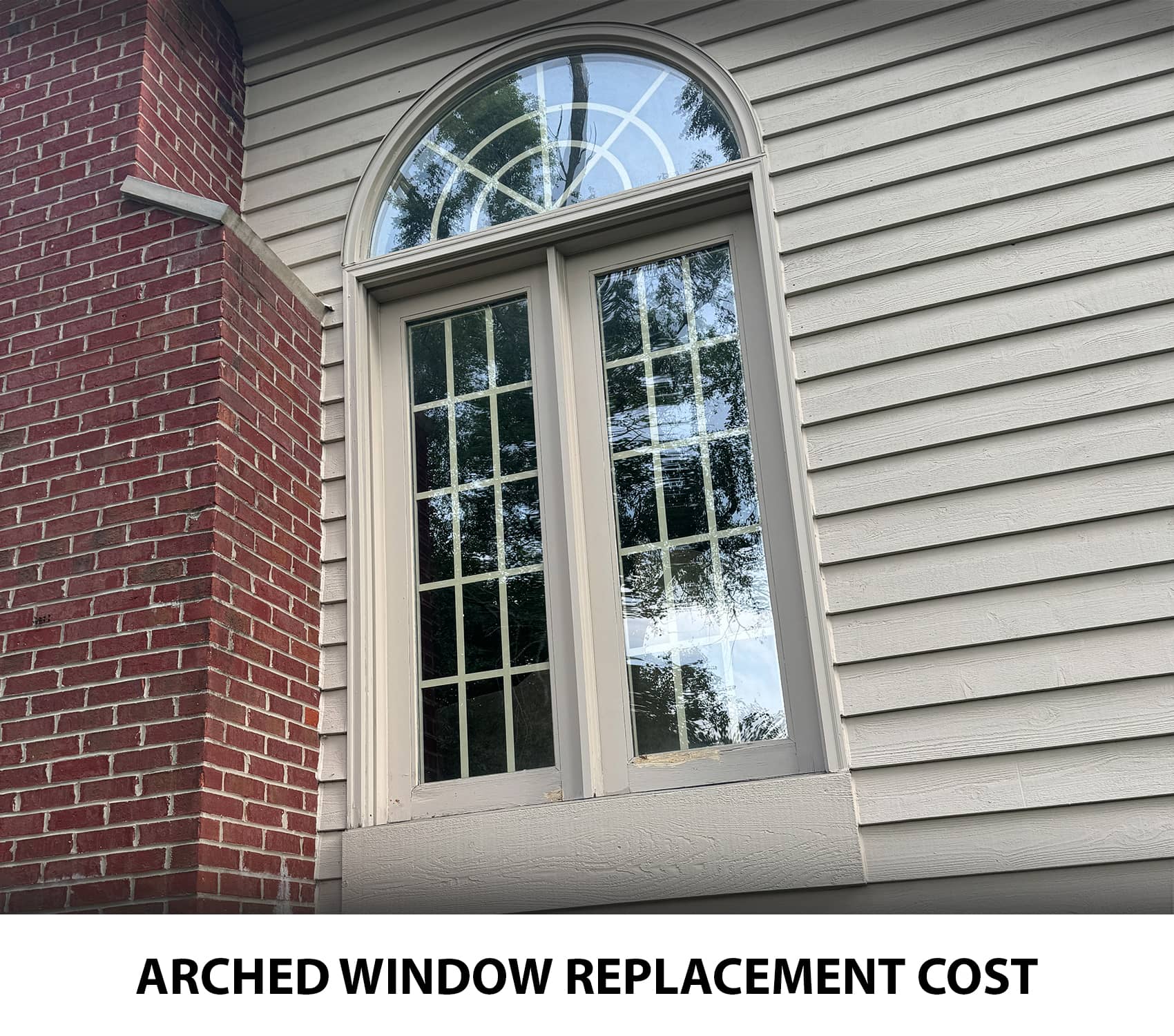
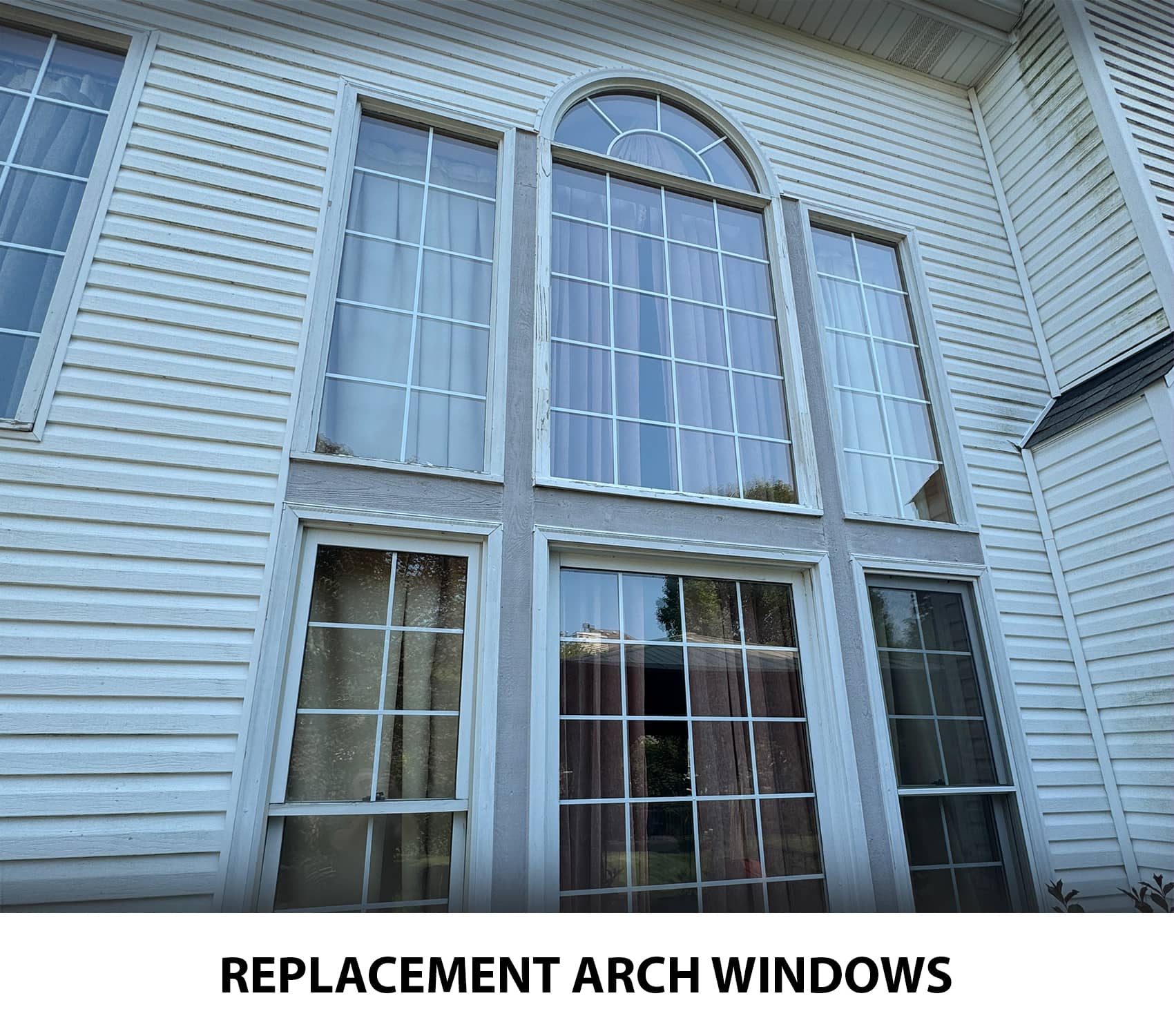
From the service side, this work usually breaks into two main lanes. One is fixed-unit repair or replacement tied to failed glass, open joints, leaks, or a damp sill that keeps feeding the problem. The other is assembly work, where the arch sits above other windows and the whole group has to stay square, sealed, and working as one system. That is the point where replacing arched windows with square sometimes comes up, but not as a default decision. In Arlington, VA, a window replacement professional usually has to sort out whether the opening still calls for repair, replacement palladian windows, or a full change to replacement arched windows.
When Replacement Makes Sense (and When It Doesn’t)
Not every problem with an arched window means the whole unit is finished. A lot of issues stay local to one area: trim starts rotting, an insulated glass unit loses its seal, or hardware on a nearby operable section wears out, while the main frame is still stable enough to keep and rebuild around.
Replacement starts making more sense when the damage moves beyond what a lasting repair can realistically handle, or when the goal is bigger than fixing one weak spot. Sometimes the real reason is an upgrade: better comfort, stronger glass, tighter energy performance, and fewer repeat problems. Common signs are air slipping around the curved frame, water getting back in after heavy Arlington, VA rain, materials starting to break down in plain view, and glass that stays cloudy between the panes. In some homes, security becomes the deciding factor. Loose locks or sections that never close tight can turn an older assembly into a constant nuisance, even when the arch itself does not move.
Go / Caution / No-Go Decision Tool: Repair vs Replace
|
Situation
|
Go (Repair)
|
Caution (Evaluate)
|
No-Go (Replace)
|
|
Wood condition
|
Small soft spots can be cut back and rebuilt, with most of the surrounding wood still firm and dependable
|
Decay is showing up around joints or along the curve, especially where moisture keeps working its way back in
|
Rot is widespread, the wood is crumbling or splitting apart, or key structural sections can no longer be trusted
|
|
Glass condition
|
One isolated crack, with the rest of the job looking like a clean glass-only replacement
|
Fogging is trapped inside the insulated glass, but the surrounding frame still appears stable and keeps its shape
|
Seal failure keeps returning, or glazing problems are tied to frame movement, poor fit, or shifting parts
|
|
Drafts/leaks
|
Minor air leakage or light water entry that improves once sealing and drainage are corrected properly
|
Drafts or leaks seem better for a while, then show up again after a short stretch
|
Ongoing drafts or repeat leaks around the curved section even after proper sealing attempts
|
|
Goals
|
Keep the original appearance when the unit is still mostly sound
|
A comfort or efficiency upgrade is desired, but it is still unclear whether the existing frame can realistically deliver it
|
A bigger efficiency jump is needed, or the current unit cannot be made consistently reliable
|
When the condition falls into the “Caution” range, the next step should be a real inspection, not a guess from the floor. The curved top and the joints around it are common places for moisture to sneak in and linger. On arched windows, a repair that misses the real entry point usually comes back around, often as damp wood, dark marks, or bubbled paint near the upper corners. One more point matters. Repair is often less expensive than full replacement and can buy a lot more service life when the structure is still sound, but that only holds up when the moisture source gets corrected instead of being buried under a surface patch.
Repair & Replacement Services by Window Material
Arched window service rarely follows one straight line. The same symptom, a draft, a leak, haze between panes, can point to very different fixes depending on the material, how the unit was put together, and where the failure actually sits: in the fixed arch, in the operating window below it, or in a mulled combination that only works when the whole assembly stays aligned as one piece.
Wood arched windows: rot, leaks, and “it keeps coming back”
Wood has a traditional look, but it also shows trouble early and plainly. Once moisture starts hanging around where it should not, the warning signs usually stop being subtle. Common calls involve wood along the curve turning dark or slightly soft, paint starting to bubble or lift, and stains returning after a hard Arlington, VA rain even after the surface has been cleaned up and touched up. The first step is always figuring out how far the damage really goes. Sometimes the trouble stays limited to trim or outer wood components. In other cases, the sill, frame, or even the curved sections have already started losing stiffness.
When repair is still the better route, the work usually begins by securing what is still sound, rebuilding weakened areas, and closing off the path that keeps letting moisture back in. A proper restoration does a lot more than make the damaged area look better. It follows the decay to its full extent, hardens softened sections with a high-grade epoxy or filler where that approach still makes structural sense, removes and replaces wood that has gone too far, and finishes the surface with coatings meant to hold off the same failure next season. If the window still feels drafty afterward, the wood itself is often only part of the story. The seal along the curved edge may have been poorly done, or water may be slipping behind the trim and settling into the joints, so the repair has to deal with those transitions and the drainage path, not just the visible rot.
Replacement usually comes into the conversation with wood arches once the damage spreads beyond one contained area. When structural parts of the sash, sill, or frame have already started giving up strength, or the opening has shifted enough that a dependable seal is no longer realistic, repair stops being the answer that holds up. At that point, the unit can often be cleaned up cosmetically. Getting it to perform properly is another matter.
Wood arches also often need glass-related work, especially when panes are cracked or insulated glass units have lost their seal, along with careful exterior finishing so water does not get behind the trim all over again. In Arlington, VA, where heat, humidity, and repeated rain cycles keep pressing on every weak spot, some replacement materials get chosen for a simple practical reason: they stay steadier, move less, and hold a cleaner seal around a curved opening.
Vinyl arched windows: budget-friendly replacement, but fit and sealing still rule
Vinyl is often picked when the goal is simpler upkeep and a replacement price that stays from running up too quickly. The appeal is mostly practical. No regular painting cycle, no staining routine, and good resistance to moisture, color fade, and everyday expansion and contraction under normal conditions. Even so, those strengths only go so far. If the unit goes in poorly, especially around the curved top, the material itself cannot cover for bad installation. In Arlington, VA, a loose or uneven fit around an arch can turn what looked like a straightforward upgrade into a window that whistles during windy weather or leaves dampness near the upper trim after rain.
When a vinyl arched window starts leaking or pulling air, the solution usually leads back to sealing details and the drainage design inside the assembly. Water has to leave the unit the way the system was built to shed it. If that route is blocked, or if the curved perimeter was never sealed properly to begin with, the same trouble usually comes back. Replacement becomes more likely when the unit no longer sits square in the opening, when the frame cannot maintain a reliable seal, or when the plan includes a better glass package and the existing setup is a weak starting point for that kind of upgrade.
A lot of vinyl product lines show up in real homes, and familiar names in the field include Andersen, Simonton, Milgard, Pella, Alside, and Marvin. But the name on the label is not what solves the problem. What matters is whether the replacement arched windows are measured to the actual curve rather than a rough approximation, and whether the installation is matched to the opening as it really exists, not the cleaner version it seems to be from across the room. That is usually where budget-friendly arched replacement windows either hold up well for years or start creating problems almost right away.
Fiberglass arched windows: chosen for stability in specialty shapes
Fiberglass comes up often in specialty-shape replacements because it is known for holding its dimensions, keeping its shape, and dealing with temperature swings with less movement over time. That matters even more in an arch than in a standard rectangular unit. A curved opening usually gives less room for error, especially in Arlington, VA, where summer heat, moisture, and seasonal changes keep pushing materials through repeated cycles of expansion and contraction. Many fiberglass product lines are also sold on their resistance to warping, cracking, and gradual shape shift, with dimensions that stay more consistent through the year. Put simply, fiberglass is often chosen when the goal is not just looks, but a tighter and more durable seal around the curve.
Service calls on fiberglass arches still tend to circle around the same familiar trouble spots: insulated glass that has failed, air slipping through small gaps, and water getting where it has no business being. The difference is in how replacement gets weighed. With fiberglass, the discussion more often turns toward service life, steadiness, and overall performance rather than price alone. It also comes up often when the target is a wood-look finish without the same vulnerability to moisture, since some lines imitate painted or stained wood closely enough to fit that style without bringing the same upkeep with it.
Brands like Infinity, Marvin, Kolbe, Pella, Andersen, and Milgard are familiar names in many homes when fiberglass enters the discussion. Even so, the material alone does not decide the outcome. Installation is still the real pivot point. A strong, stable frame cannot compensate for a unit that sits slightly out of alignment, and even a small miss along the curve can turn into leaks, drafts, or trim that stays damp long after the rain has passed.
Aluminum arched windows: project-dependent, often driven by scope and availability
Aluminum shows up in plenty of price comparisons and often falls somewhere in the middle, although that can shift a lot depending on the details of the job. For a homeowner, the better way to judge an aluminum arch is the same way any specialty-shape unit should be judged: by the exact curve radius, the glass package involved, and how difficult that specific opening will be to fit correctly. If an aluminum arched unit is being replaced, the plan still has to account for sealing along the curved top, any concealed structural repair hiding behind older trim, and whether the arch ties into a larger window group that only works properly when the whole assembly stays lined up as one system.
Conclusion
Arched windows pull in natural light and give a house a distinct focal point, but repair and replacement work on them demands more precision than a standard rectangular unit ever does. The starting point is figuring out whether the condition calls for repair, full replacement, or a blend of the two, then matching that decision to the frame material, the actual condition of the opening, and whether the arch is tied into a larger window assembly. When the sizing is right, the sealing is handled carefully, and water is managed the way it needs to be, the finished result no longer feels like a short-lived fix and starts holding up the way it was meant to.