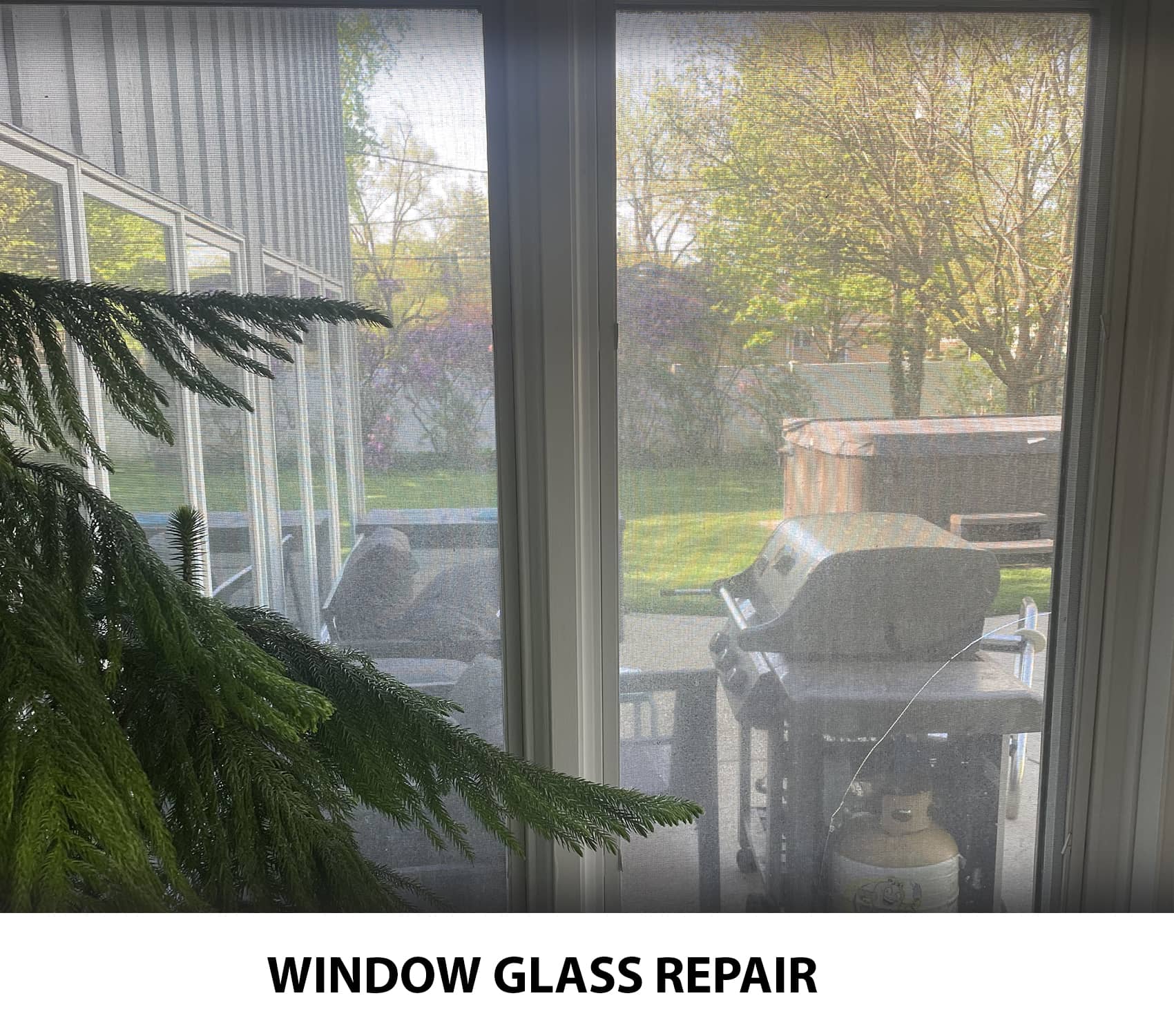
Why waiting usually makes the job bigger
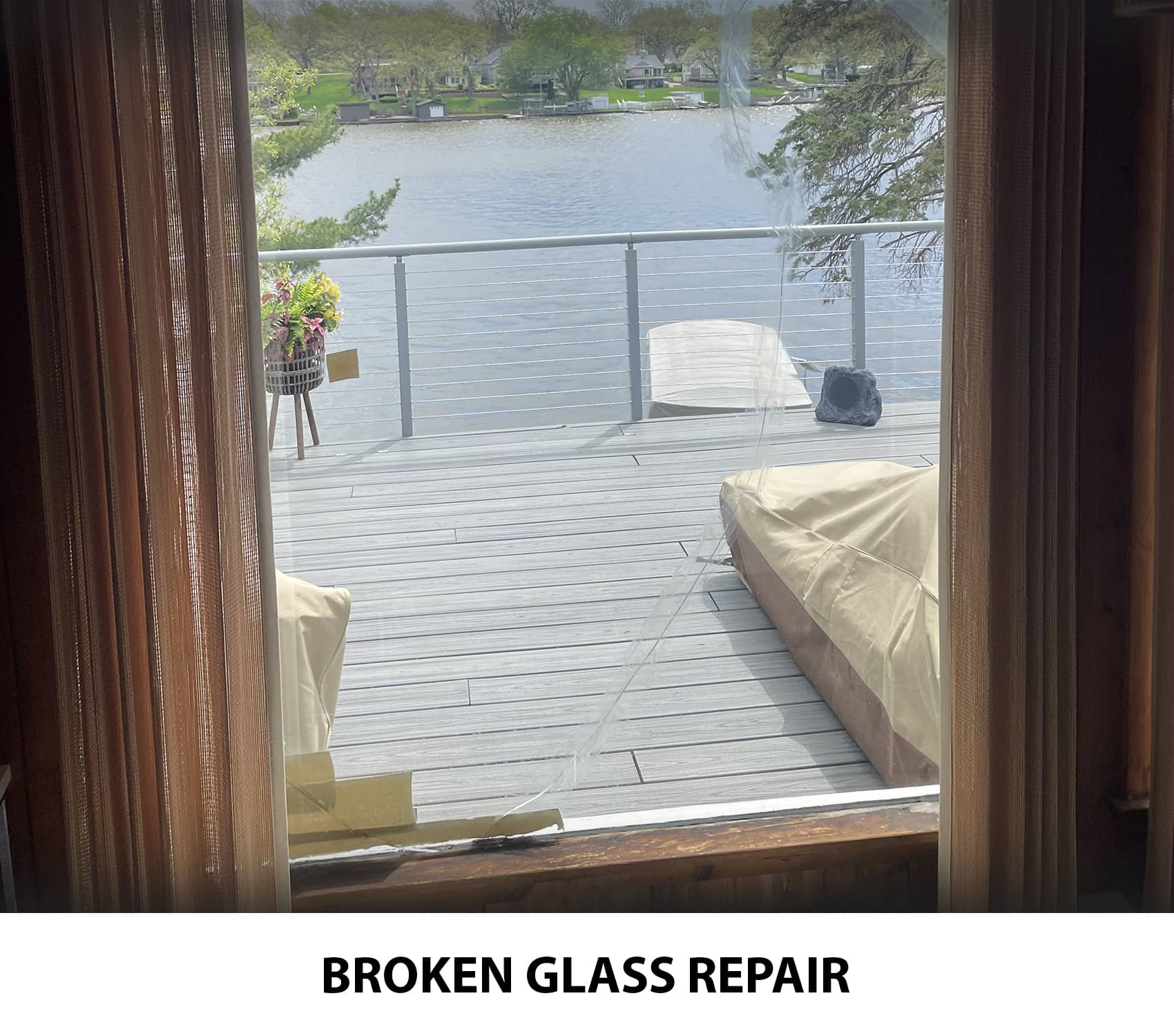
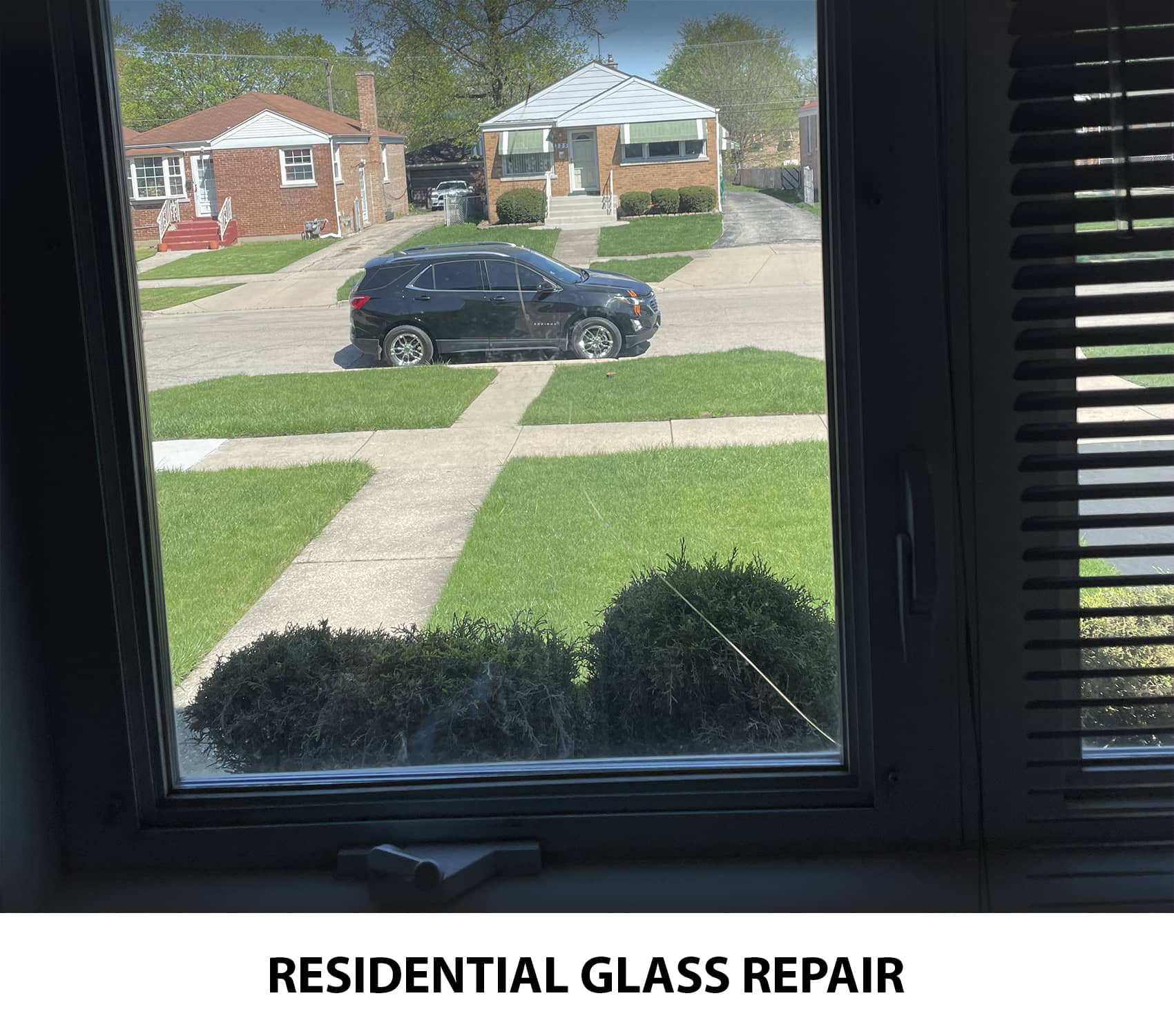
Damaged glass is more than something unpleasant to look at. Once the pane cracks or the seal gives out, air and water start slipping through the opening. Early on, the signs can seem minor: a damp sill, faint discoloration, a little bubbled paint near the edge. Later, the trouble often grows into swollen material, moisture that stays trapped, and damage that does not become obvious until the sash or frame starts to shift or soften. Cracks rarely hold still either. With ordinary settling and weather changes, a small split can travel across the pane and turn a simple glass fix into a real safety concern.
There is also the money side, and in Arlington, VA that part gets overlooked constantly. Cloudy glass from a failed thermal seal usually means the insulating value has already dropped off, and that loss often starts showing up in heating and cooling costs. A crack that looks harmless now can end in full glass failure sooner than expected. Leave it alone long enough, and the problem may stop being limited to the glass itself and start affecting the sill, the sash, or the frame. That is usually the point where repair bills climb and full replacement stops sounding like an overreaction.
Diagnose the cause before you pick the fix
One symptom can point to very different kinds of work. The simplest way to avoid the wrong repair is to sort the issue by the part that actually failed.
|
What shows up
|
Most likely behind it
|
What service usually does
|
What not to assume
|
|
Haze or fog trapped between the panes that will not wipe away
|
Failed insulated glass unit (IGU) seal; over time the unit can lose insulating gas and collect moisture inside
|
Replace the sealed glass unit while leaving the frame in place if the frame is still solid
|
It will not simply “clear up” on its own, and seal patch jobs rarely come with a true failed-seal warranty
|
|
Moisture on the room-side surface of the glass
|
Indoor humidity, airflow issues, or cold spots at the window
|
Check sealing and airflow first; the glass itself may still be fine
|
Do not jump straight to calling it an IGU failure
|
|
A crack that keeps running or starts branching
|
Structural stress combined with movement or temperature change
|
Replace the pane or full unit for safety and longer-term durability
|
Tape or patching is not a real repair
|
|
Glass blown out or shattered, especially in a door
|
Impact damage plus safety-glazing requirements
|
Secure the opening first, then install the proper safety glass
|
Not every piece of glass that fits the opening is acceptable
|
|
Surface scratches
|
Wear, rubbing, or abrasion over time
|
Depends on depth; deeper scratches often lead to replacement rather than polishing
|
Polishing does not guarantee a clean fix
|
Foggy double-pane glass: what it really means
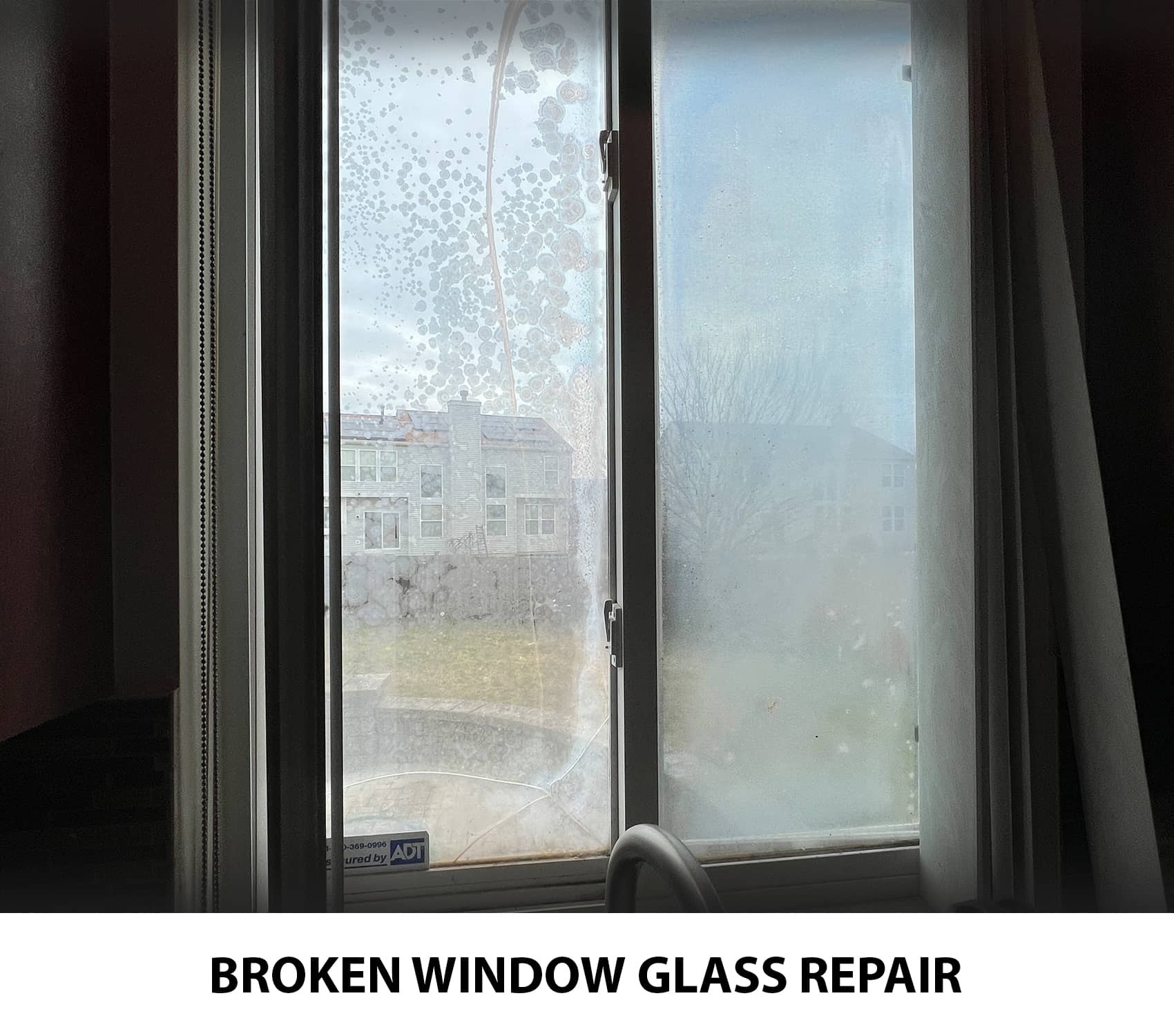
When the haze sits trapped between the panes, the usual cause is a failed insulated-glass seal. That seal is what keeps the space inside the unit dry and controlled. Once it breaks down, the glass turns cloudy, the insulating performance drops off, and the window may start feeling drafty on windy days in Arlington, VA even when the frame itself is still holding its shape.
In most houses, the reliable fix is replacing the insulated glass unit, the sealed glass assembly, rather than tearing out the whole window. That restores a clear view and better thermal performance while leaving the existing frame and trim in place, provided the surrounding sash and structure are still solid and not showing soft wood or moisture damage.
One checkpoint with a contractor matters more than it first sounds. When a seal is described as something that can simply be “fixed,” the real issue is whether that work comes with a written thermal-seal warranty. Without that in writing, the result is often a short-term workaround, not a lasting repair.
Glass-only replacement vs full window replacement
A lot of homeowners hear “double-pane issue” and immediately think “new window.” On actual service calls, the first question is simpler than that: is the sash or frame still worth saving? If the answer is yes, glass-only replacement is usually the smarter route.
Here’s a clean Go/Caution/No-Go tool you can use before you schedule work:
|
Situation
|
Go / Caution / No-Go
|
Why it matters
|
What to ask the service to check
|
|
The frame and sash are still sound, but the glass is cracked, broken, or the IGU has failed
|
GO (glass-only)
|
Function can often be restored without taking apart the whole opening
|
Verify the glass type, required safety glazing, and how the unit will be sealed
|
|
There is fog between the panes, but the window structure remains solid
|
GO (IGU replacement)
|
The seal has failed; replacing the insulated glass unit brings back clarity and insulating value
|
Ask what seal warranty comes with the new unit, along with the installation warranty
|
|
The window feels drafty, but the glass itself looks intact
|
CAUTION
|
Drafts often come from alignment issues, weatherstripping, or gaps around the unit rather than from the glass
|
Request a seal and alignment inspection, not just a basic pane replacement
|
|
Moisture problems keep returning and there are signs of frame damage such as soft wood, swelling, or long-term leaks
|
NO-GO for glass-only
|
New glass will not correct moisture paths that are already damaging the structure
|
Ask whether frame or sash repair needs to be done before, or together with, the glass work
|
|
The goal is a design change, such as a different size, layout, or full upgrade
|
NO-GO for glass-only
|
That is a replacement or remodel decision, not a glass-only repair choice
|
Get a separate estimate for full window replacement
|
One practical pricing detail gets overlooked all the time. When the frame is still sound, glass replacement often lands about 70 to 80 percent below the cost of full window replacement. The same point can be said more bluntly: replacing the whole window may cost three to five times more than a repair, and it usually brings more disruption inside the house, more trim and finish work, and longer ordering and installation timelines.
Choosing the right replacement glass (what actually changes the outcome)
Jobs like this are rarely as simple as dropping in another pane and moving on. The outcome depends on the specification. Glass type, required safety glazing, thickness, coatings, and the way the unit is reset and sealed into the opening all directly shape how the repair performs afterward.
Insulated glass units (double or triple pane)
If the window is built around a sealed IGU, the replacement is done as a complete unit. These assemblies usually consist of two panes separated by an air space, sometimes filled with inert gas, and they depend on a tight perimeter seal to keep the cavity dry and stable. Once that seal fails, replacing the insulated unit is what brings the window back to proper working condition.
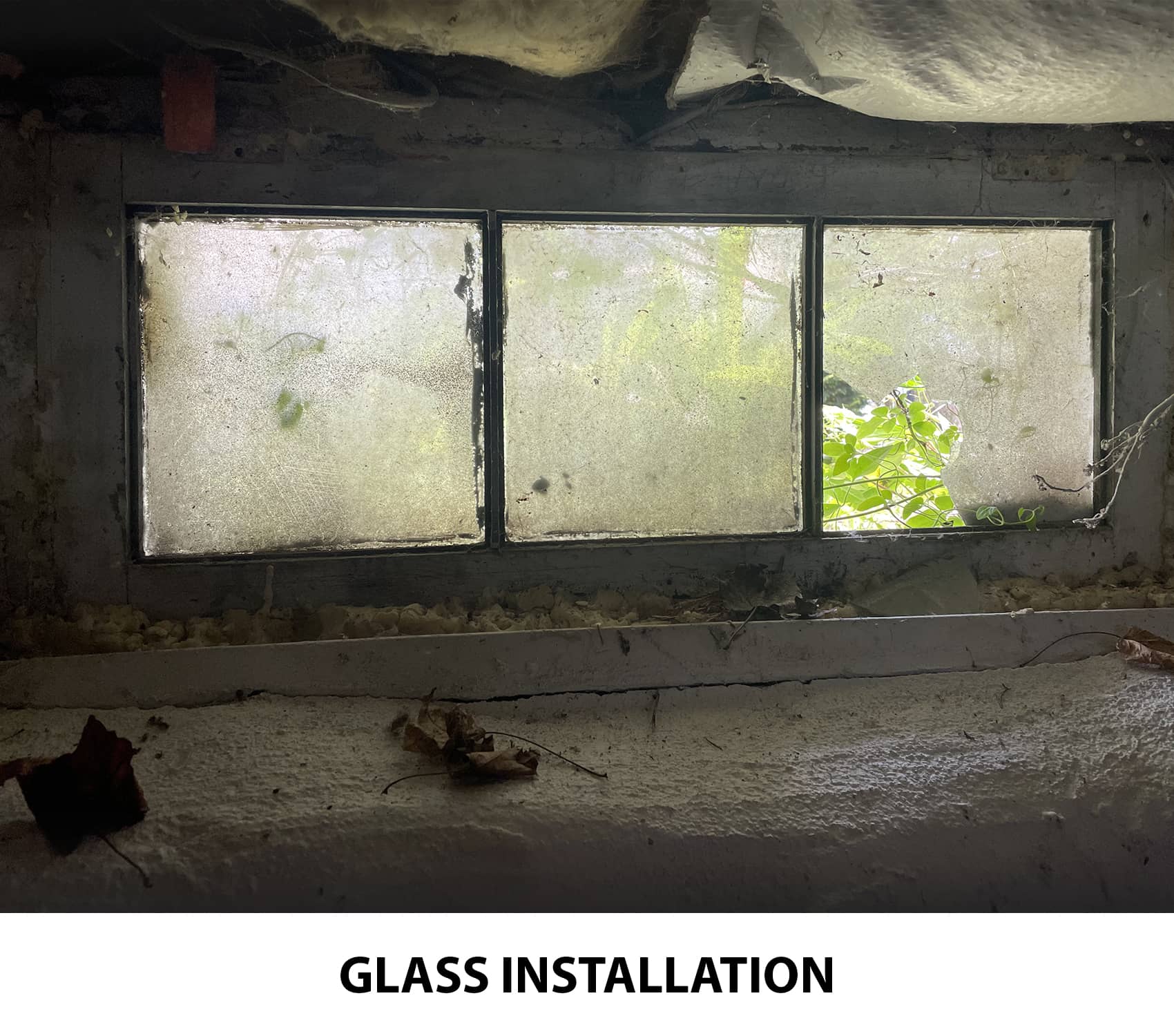
Glass-only replacement service usually covers the most common residential situations in Arlington, VA: double-hung sashes, casement units, sliding windows, patio doors, skylights, and openings with odd or custom shapes. The same approach also applies to storefront and commercial glass. The rule does not really change: match the correct glass, the correct thickness, and the proper safety requirement, then set and seal the unit the right way.
Low-E, warm-edge spacers, and “comfort upgrades”
Low-E glass is meant to slow heat transfer and reduce solar heat buildup. In plain terms, it helps indoor temperatures stay more even through the year and can also limit fading on floors, rugs, and furniture. When a new IGU is already being ordered, that is usually the cleanest time to step up to that upgrade, because the coating is built into the unit itself, not applied afterward as an add-on.
Another feature that comes up often is the warm-edge spacer inside an insulated glass unit. The practical benefit is fairly simple. Compared with older spacer systems, it can improve cold-weather performance and make the glass feel less like the chilly part of the room. It will not correct a frame that leaks air, shifts, or shows gaps at the sash, but in Arlington, VA it can make a real difference when the glass unit is the part underperforming.
Thickness and sound: a practical rule
Better comfort does not always come from copying the original setup pane for pane. Two details usually matter most here: the thickness of the glass and the distance between panes in a multi-pane unit. Sound reduction and thermal performance often depend not just on the number of panes, but on the full construction of the unit, including pane thickness and the width of the airspace. When outside noise is part of the complaint, traffic, train activity, barking dogs, loud neighbors, that needs to be part of the quote from the start so the replacement glass is chosen around the real problem, not simply around the cheapest matching option.
Tempered vs annealed: don’t guess
Tempered glass is the safety-glazing option, and in residential work two differences matter more than anything else. For one, it is usually several times stronger than standard annealed glass. Just as important, when it breaks, it tends to crumble into small dull pieces instead of splitting into long, sharp shards. That is why it shows up so often in doors and in other locations where impact risk or code rules come into play.
The complication shows up afterward, and it surprises homeowners all the time. Once tempered glass has been fabricated, it cannot be trimmed, drilled, or reshaped. If the piece needs holes, clipped corners, polished edges, notches, or some unusual pattern, every one of those details has to be finalized before fabrication begins.
Measurement and ordering: where service quality shows up
The costliest glass mistakes usually happen before installation even begins. Wrong measurements. Wrong build. Wrong safety requirement. A careful service visit should lock down every detail that cannot be fixed later, especially when safety glass is involved. At the very least, the order needs to clearly state whether the piece is single-pane glass or an IGU, whether tempered glass is required, whether Low-E belongs in the build, and whether holes, polished edges, corner cutouts, or other custom shaping are needed. Once a tempered unit has been fabricated, there is no trimming or modifying it afterward.
One scheduling point catches many homeowners in Arlington, VA by surprise: measurements are often taken from inside the house, so access is usually needed both for the inspection and for the installation appointment.
A proper service also takes care of the part DIY attempts usually get wrong. In most cases, there is no real benefit in trying to source the glass separately, guess at thickness, pay another shop to cut it, and then hope it makes it home without a chipped edge or cracked corner. A reliable window glass replacement company identifies the correct size and configuration, places the fabrication order, brings the unit to the property, and installs it as one connected job.
There is also the question of responsibility, and it matters more than it first appears. When one crew handles the measuring and another handles the installation, it becomes much harder to sort out the cause later if the fit feels off, a draft shows up, or fogging returns. Keeping the measuring, ordering, and installation under our local Arlington, VA service team makes accountability clearer and leaves much less room for confusion when warranty issues come up.
Conclusion
Window glass replacement services give the best results when the job is treated as a specification-and-installation project, not as a quick patch meant to buy a little time. The core steps do not really change: identify the failure correctly, especially when fog is trapped between the panes, decide whether glass-only replacement still makes sense, confirm the required safety glazing, and settle any upgrade choices before the order goes in. After that, the details that keep the repair from turning into a callback are fairly simple but crucial: exact measurements, the correct glass build, proper sealing, and a warranty that clearly separates insulated-unit coverage from installation coverage. In Arlington, VA, where cold weather, wind, and moisture expose weak work quickly, those details are not optional extras. They are what make the repair last.