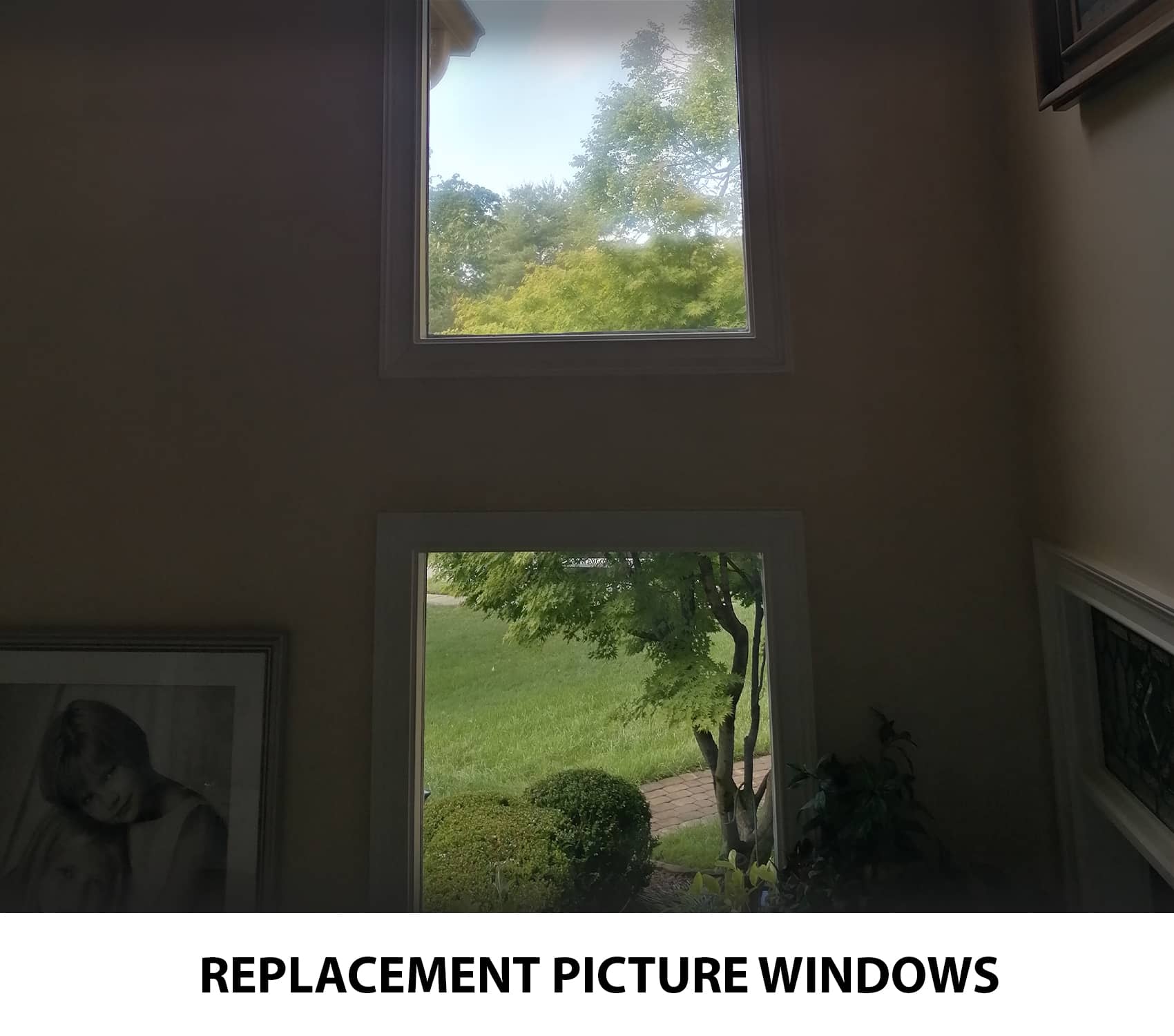
What a picture window really is
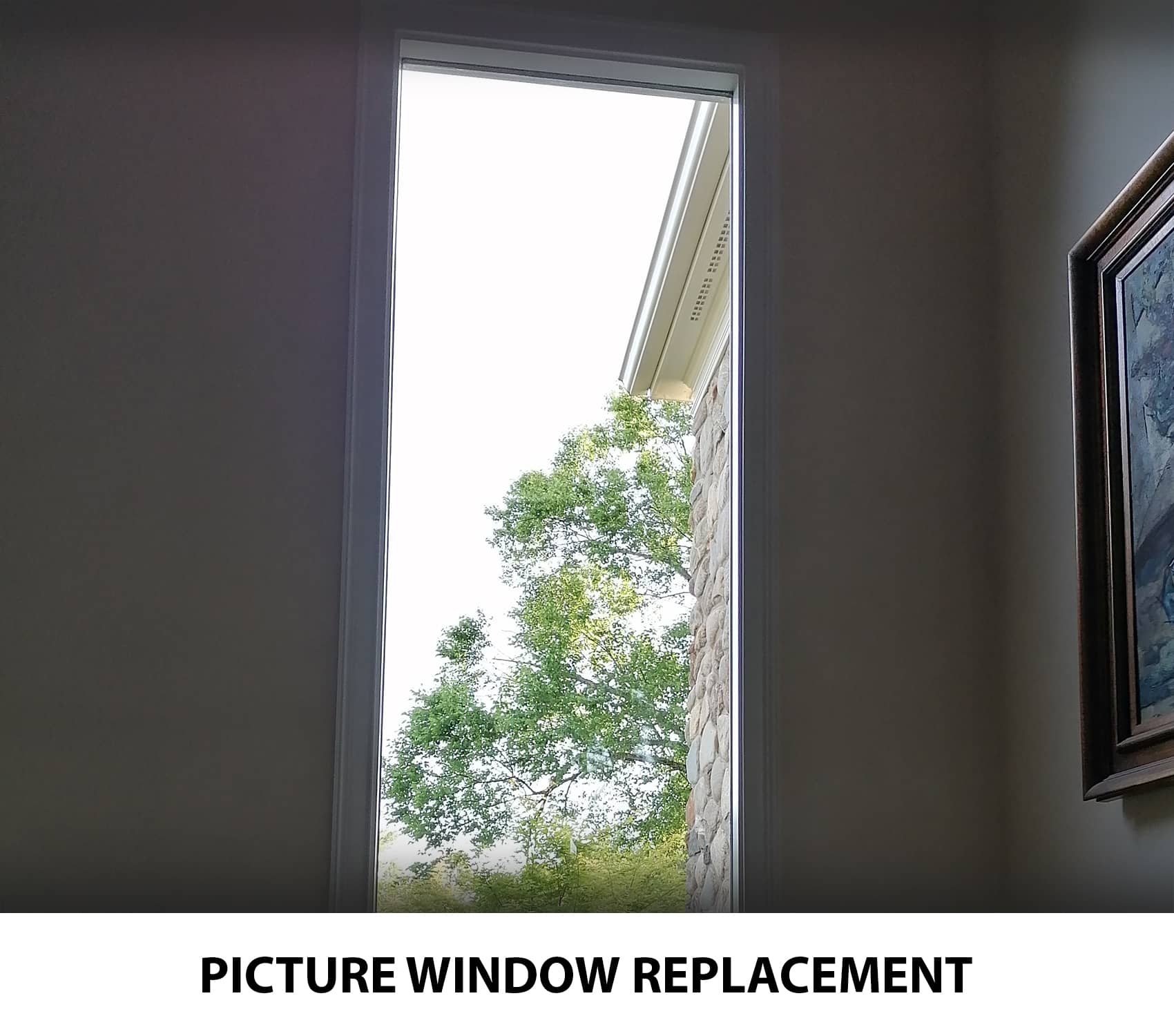
A picture window is a non-opening unit. No crank to turn, no rollers underneath, no sash lifting, dropping, or sliding sideways. That simplicity is the reason the view feels more open and the daylight comes in stronger: less frame, more glass, more of the opening doing actual visual work. Fewer moving pieces also means fewer parts wearing out over time and fewer spots where outside air can start sneaking in. Still, the tradeoff is plain enough. Ventilation is off the table. And because these windows are often built large, small errors in measurement, support, or sealing tend to show themselves early. A little haze between panes, light staining near the trim, or a cold draft on windy days rarely stays minor for long. In Arlington, VA, changing weather and steady wind usually bring weak installation details to the surface in a hurry.
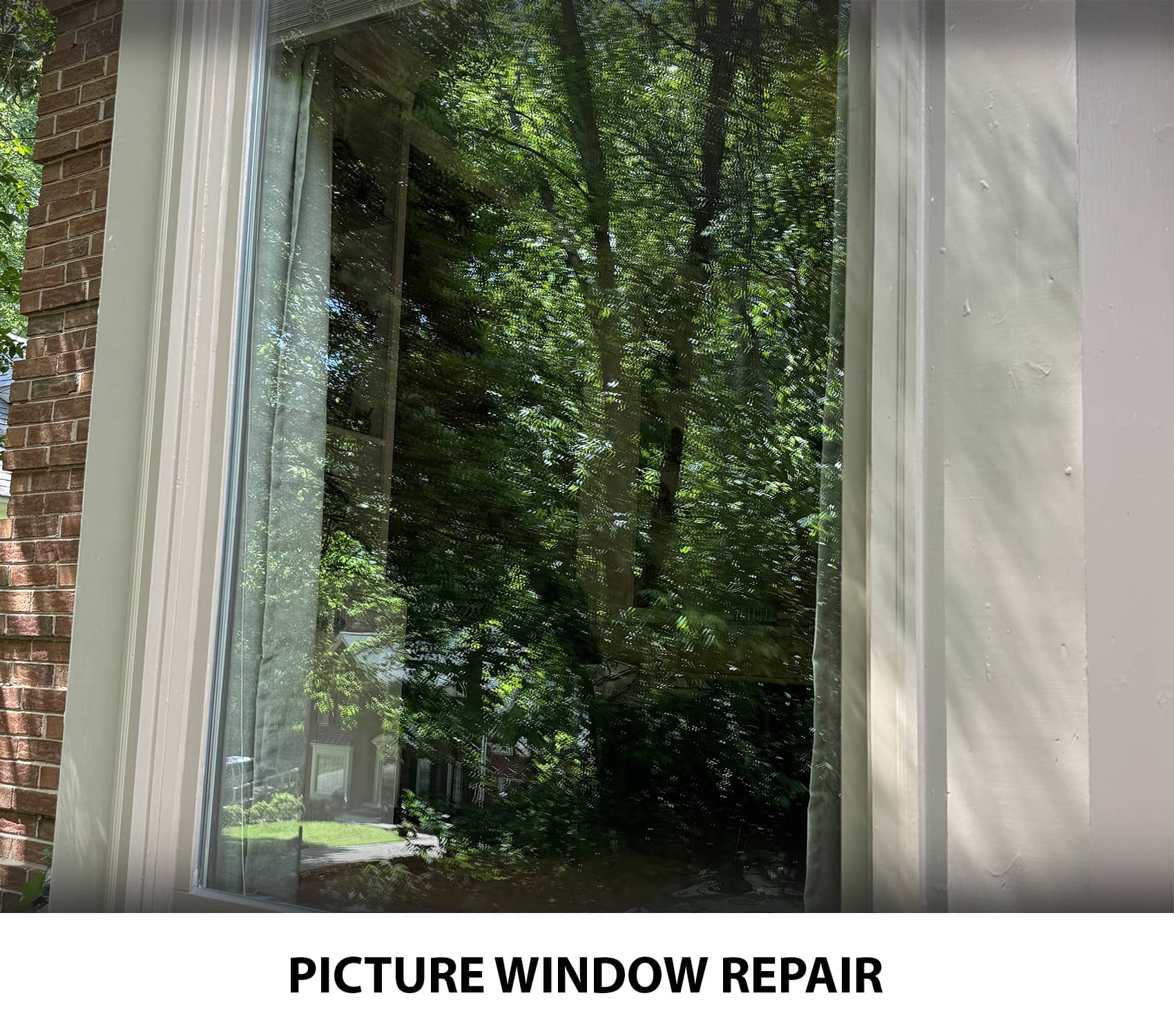
From a service standpoint, fixed glass fails in its own way. There is no operator mechanism to wear out, no rolling hardware to bind, and no moving panel that starts catching in the frame. Trouble usually collects in two places instead. One is the insulated glass unit, most often because the seal has failed or the glass has cracked. The other is the outer edge of the system, where air sealing and water control depend on the frame, the surrounding wall, and the condition of the rough opening. That is the zone where picture window repair or picture window glass replacement can be the right move, but only after the source of the problem is identified correctly. Good work starts with diagnosis, not with guessing. Ordering a replacement too soon can leave the real defect sitting untouched.
The terminology does not make things easier. Installers, manufacturers, and homeowners regularly use different names for nearly the same setup. “Fixed window” and “picture window” are often treated like the same thing, and sometimes “direct-glaze” gets folded into the discussion as well. In many cases, that term points to glass set directly into the frame rather than into a separate sash, then secured with stops or adhesive. Some product lines use “fixed window” for a heavier, more squared-off look with thicker sightlines, while “picture window” usually suggests more exposed glass and less visible frame. The label by itself should never decide whether to replace picture window units or keep the current assembly in place. The real decision rests on the non-operable unit itself, the glass package, the frame material, and whether the installation scope actually fits the opening instead of relying on a name that sounds close enough.
Picture windows also come with a few practical drawbacks that are easy to miss at first glance. The lack of airflow is the obvious one. Then comfort starts becoming part of the conversation. A wide sheet of glass can pull in a lot of afternoon heat, and during winter the space near the window can feel noticeably cool when the seal is weakening or the unit is no longer performing the way it should. That does not automatically mean picture window replacement is the next step. In some cases, upgraded glass solves it. In others, the better answer is improved sealing. And sometimes replacing a picture window only starts to make sense when the trouble extends into the frame, the support beneath it, or the surrounding opening itself. Simple room coverings such as curtains, drapes, or blinds can help when the sun becomes excessive. Access matters too. When the unit sits high above the floor or over a stair landing, exterior cleaning stops being a quick task, especially once darkened wood, a damp sill, or bubbled paint begins showing up below the frame in Arlington, VA homes.
When repair is enough vs when replacement is the move
Not every failure means the whole unit belongs in the dumpster. In real service calls, most jobs usually land in three fairly distinct tracks.
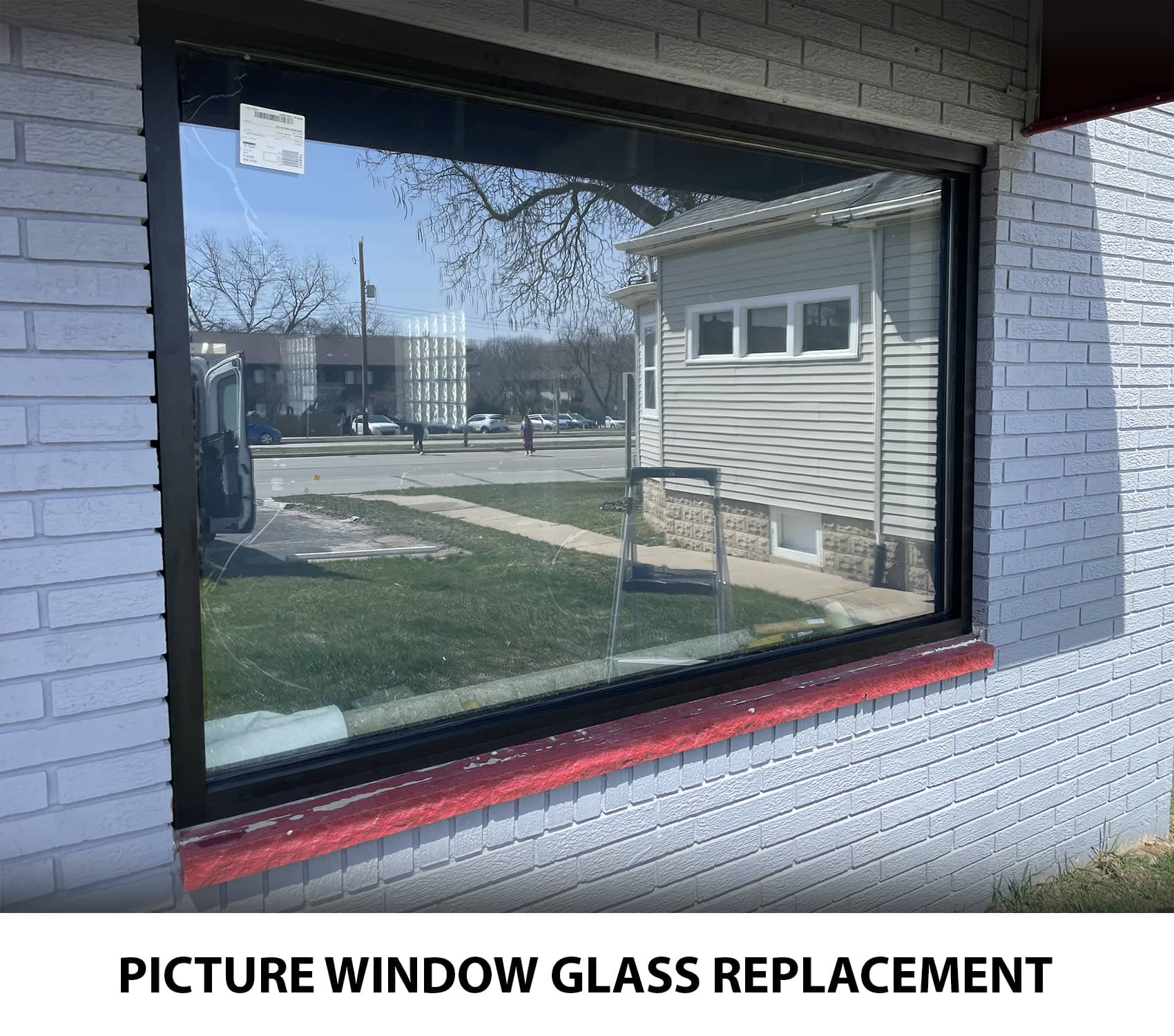
The first is picture window glass replacement: changing out a failed insulated glass unit, replacing cracked glass, or reworking the seal when the frame is still stable and the opening has not started to distort. The second is picture window repair at the frame level, including restoration work after wood begins to soften, darken, or take on moisture. That path only holds up when the structure can still be returned to sound condition and the actual source of water intrusion can be corrected rather than covered over for a season. The third is full picture window replacement and installation, whether the project calls for an insert approach or a true full-frame replacement. That option moves to the front when the frame or rough opening is compromised, the unit has slipped out of square, leaks keep showing back up, or the old assembly no longer performs with any consistency.
A lot of homeowners run into the same gray-area problem right between repair and replacement. The room feels too hot through the summer, then loses heat fast in winter. Because a picture window stays closed year-round, weak glass or failing perimeter seals can leave an Arlington, VA room overheated by late-day sun and then chilly in January. Sometimes the better answer is not to replace picture window units right away, but to step up the glass package with stronger insulating performance and more effective coatings. Sometimes the real issue sits around the edges, where minor leakage at the frame creates that familiar draft on windy days. And sometimes replacing a picture window is simply the straight answer, because the whole assembly has aged to the point where small repairs stop lasting.
Replace/repair signals you can trust
The warning signs are not always loud, but the dependable ones are usually fairly plain. A cracked pane or a chipped corner stands out right away. More telling is haze or moisture caught between the panes, since that usually points to a failed seal inside the insulated glass unit. Once that seal gives out, the window is no longer performing the way it was built to. Age also shifts the equation. When an older replacement picture window gets into the 15- to 20-year range or beyond, it often falls short of current energy standards even if the glass still looks acceptable from the middle of the room. The real evidence usually shows up in daily use, not in sales language: chilled air settling near the opening, heat coming off the glass late in the day, a damp sill, or a room in Arlington, VA that never quite feels balanced.
Go / Caution / No-Go decision tool
Use this to decide what kind of quote you should request.
|
Issue or condition
|
GO (replacement / wider scope)
|
CAUTION (price both directions)
|
NO-GO (likely repair / routine maintenance)
|
Best next service request
|
|
Cracked or chipped glass
|
Crack is spreading, safety is a concern, or the damage suggests water may start getting in
|
Small, stable chip with no sign of movement
|
Light surface scuffs or cosmetic blemishes only
|
Request a glass replacement quote and verify safety-glass requirements
|
|
Fog or condensation between panes
|
Persistent between-pane fog, which usually signals a failed seal
|
Mild or occasional haze that still needs confirmation
|
Moisture showing only on the room-side surface because of indoor humidity
|
Request insulated glass unit diagnostics and ask about a glass-only replacement option
|
|
Drafts or comfort-related complaints
|
Noticeable draft with visible gaps or failed perimeter sealing
|
Air movement shows up mostly during strong wind and needs a closer look
|
No meaningful draft, just a minor caulk touch-up or isolated maintenance item
|
Request a perimeter-seal and air-leak inspection before any ordering decision
|
|
Frame condition
|
Rot, soft spots, warping, or leaks that keep coming back
|
Limited damage that may still be repairable
|
Structurally solid frame with paint-only cosmetic wear
|
Request a written recommendation comparing restoration and replacement
|
|
Window age
|
Roughly 15 to 20+ years old with comfort or energy-performance complaints
|
Roughly 15 to 20+ years old but without obvious performance issues
|
Newer unit with a single isolated problem
|
Request a side-by-side quote for an upgrade versus repair using the same glass target
|
|
Opening behavior
|
Out of square, visible movement, or repeated staining at the sill
|
Needs an on-site inspection before any product is ordered
|
Stable opening with no history of leaks
|
Request a full-frame evaluation and water-entry path diagnosis
|
The frame often ends up making the decision. Wood that feels soft, sections that have gone darker, swelling along the edges, trim that stays wet long after a storm, or paint beginning to bubble near the sill usually signals something deeper than failed glass alone. At that stage, the issue is no longer limited to visibility or insulation. It reaches the part of the window that has to block water, support the glass, and keep the whole unit square in the opening instead of slowly drifting out of line.
Typical picture window problems and the right service by frame material
This is the point where “picture window services” stops being a vague umbrella term. The same visible problem can lead to a very different scope of work depending on the frame material, how old the unit is, and what the opening has already been exposed to over time. Solid picture window repair starts with that distinction, not with a fast order placed before the cause is clear.
Wood picture windows (repair, restoration, or replace)
Wood usually breaks down in ways that are easy to recognize. Moisture gets past the finish, paint starts blistering or lifting, and decay forms where water lingers instead of drying out properly. The first step is finding out how far the damage actually extends. In some cases, it stays near the surface. In others, it is limited to one softened section. And sometimes it has already gone deep enough to weaken the structure itself. When restoration still makes practical sense, the usual method is to remove the material that cannot be saved, rebuild compromised areas with quality repair compounds or epoxy, and refinish the surface so the repaired section has a better chance of standing up to future moisture. When the frame has lost too much integrity, or the opening has a long pattern of leaks, stained trim, soft dark wood, or a draft on windy days, picture window replacement is usually the more dependable route.
On the day of the job, wood picture window replacement involves a lot more than pulling out one unit and running a neat line of caulk around the next one. The existing assembly needs to be removed without damaging the surrounding opening, the new unit has to be installed square and plumb, and the perimeter needs real water management instead of a cosmetic bead that only looks finished for a short time. Wood also requires a proper finish and a maintenance plan after installation. Skip that part, and the same moisture cycle usually finds its way back.
Vinyl picture windows (usually glass + sealing, sometimes full replacement)
Vinyl stays popular for fairly practical reasons. It does not ask for the same level of upkeep as wood, and moisture usually causes less direct damage to the frame. That said, most vinyl service calls still circle back to the same two failure points: insulated glass that has lost its seal and perimeter sealing that has started letting in wind or rain. Once the frame has warped, shifted, or stopped supporting the glass the way it should, repair choices narrow in a hurry and vinyl picture window replacement usually turns into the sensible path. In Arlington, VA, a poor fit tends to reveal itself quickly. One rough patch of weather can be enough to expose stressed corners, weak perimeter sealing, and rushed work around the opening.
One of the real benefits of vinyl is predictability. No scraping old paint, no staining, no routine repainting every few years. Even so, a low-maintenance frame does not rescue a bad install. When a unit gets forced into an opening that was never sized correctly, or packed with quick shimming shortcuts, the result is often the same: sealing trouble, movement at the perimeter, and repeat calls for problems that should have been prevented the first time.
Fiberglass (and composite) picture windows (stability + long-term performance)
Fiberglass is often selected for strength and for the way it holds its shape through seasonal change, especially with large fixed units that need to stay stable year after year. Service work can still involve picture window glass replacement when seals fail, but many fiberglass jobs are less about isolated repairs and more about preserving long-term performance. The material has a strong reputation for handling severe weather and resisting the steady expansion-and-contraction cycle that gradually loosens seals. Some fiberglass and composite lines also appeal to homeowners because they can give a wood-style appearance without the same maintenance demands. In everyday terms, that often comes down to simple cleaning and very little else.
Aluminum picture windows (verify the comfort package)
Aluminum can give a window a slimmer, cleaner profile than bulkier frame materials, and structurally it often holds up well. But interior comfort depends far more on the thermal design of the specific unit than on the frame material alone. Some service work comes down to glass replacement or resealing at the perimeter, yet many older aluminum setups eventually lean toward picture window replacement because the unit no longer performs well enough inside the living space. That becomes especially noticeable in Arlington, VA, where a large pane can collect serious heat in summer and feel distinctly cold from the room side in winter even when the frame still appears intact. “Aluminum picture window” only identifies the frame material. On its own, it says very little about insulation value, comfort, or real energy performance.
When “hardware service” applies to a picture window
A true picture window does not have operating hardware. No crank mechanism, no latch, no movable sash. Still, many jobs described as picture window repair turn out to involve a larger window assembly where the fixed glass is paired with casement, awning, or double-hung sections. In that kind of arrangement, part of the service may include adjusting or replacing hardware on the operable units so the full assembly stays aligned, seals properly, and does not leave a damp sill or a cold draft next to the fixed pane.
Conclusion
Picture window repair and picture window replacement only look simple when the job gets treated like routine shopping instead of actual service work. The real first step is finding out what failed: the glass, the frame, or the opening around it. From there, the solution has to match the material, because restoring a wood frame is a very different task from resealing vinyl or upgrading fiberglass for better long-term performance. Then the installation scope has to match the condition of the opening itself. When that part is handled correctly, a fixed window can stay clear, quiet, and weather-tight for years in Arlington, VA. When the work is rushed or reduced to the cheapest version possible, the same leak, the same draft, or the same comfort issue usually shows up again.