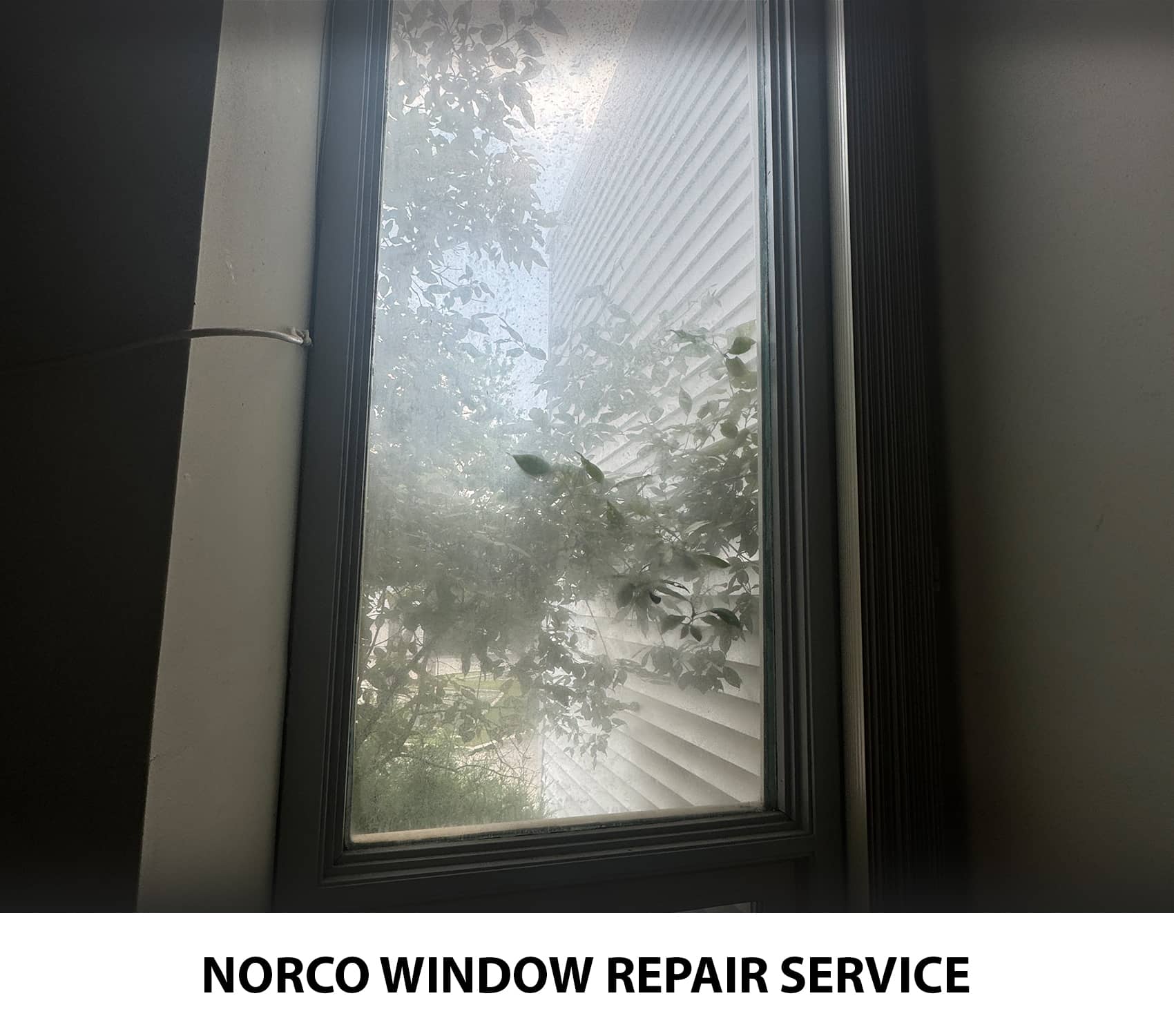
Norco Window Repair Services: Problems, Fixes, When to Replace
Start with the symptom, not the brand
Most Norco window problems do not appear randomly. They usually fall into a small set of repeat scenarios. Clouded glass or a cracked pane often leads back to the insulated glass unit, the IGU. A sash that rubs, hangs up, or feels oddly heavy in motion is more often tied to worn glide points, track buildup, or an opening that has drifted out of line little by little. Drafts usually come from a seal that has lost its hold, a sash that no longer seats tightly against the frame, or small gaps opening at the outer joints. When a window stops locking, will not remain open, or starts feeling rough and uneven through the whole travel, the trouble is commonly in the moving hardware: cranks, hinges, balances, latches, or related operating parts.
For a quick field read in Arlington, VA, the pattern is usually pretty clear: windows that bind or refuse to shut the right way, fogged glass or cracked panes, door hardware that works poorly or no longer locks with confidence, and drafts strong enough to be felt around the frame when cold wind picks up.
The service-lane map (how repair companies price and scope)
A lot of mix-ups begin when window repair is treated as one oversized category that covers everything. In real service work, the jobs separate into distinct lanes: replacing failed glass, adjusting tracks or correcting sash alignment, repairing hardware, restoring limited wood damage, fixing weatherstripping and seal-related issues, and then moving to full replacement only when repair will not return the unit to dependable performance. In Arlington, VA, a solid quote should connect to one or several of those actual work types, not disappear inside a vague line like “window fix” that explains almost nothing.
Material and warranty reality check (what changes—and what doesn’t)
With many Norco units, wood and clad-wood construction is one of the main reasons repair work often remains a practical option. In Arlington, VA, that detail carries real weight, especially on older openings where the frame is still sound overall but the lower corners have started showing soft, darkened wood or the sash has begun to swell slightly after repeated moisture exposure.
The core repair paths do not disappear just because the material changes. Glass still fails. Hardware still wears out and starts fighting the motion. Seals still loosen, compress, or pull away from the surfaces they were supposed to protect. Alignment still drifts gradually until the operation feels wrong, the sash starts rubbing, or the unit stops closing with the same clean fit.
What changes most is the condition of the frame itself and whether it can still be recovered in a lasting way. Wood and clad-wood units are usually the better candidates for localized rebuilding, rot correction, and repairs tied to swelling or minor distortion. Tighter plastic window systems create a different kind of mix-up. In some Arlington homes, interior humidity builds up on the glass because airflow in the room is weak, so the real answer is ventilation improvement, not a reflex move to replacement.
On the commercial side, the parts decision matters more than it may seem at first glance. Original components often make better sense for fit, day-to-day operation, and possible warranty protection. Before the job is approved, two basic points should be made clear: which type of parts are going into the unit, original, compatible, or custom-fabricated, and what that choice means for warranty coverage on that specific Norco assembly.
Glass replacement: clear views without tearing out the frame
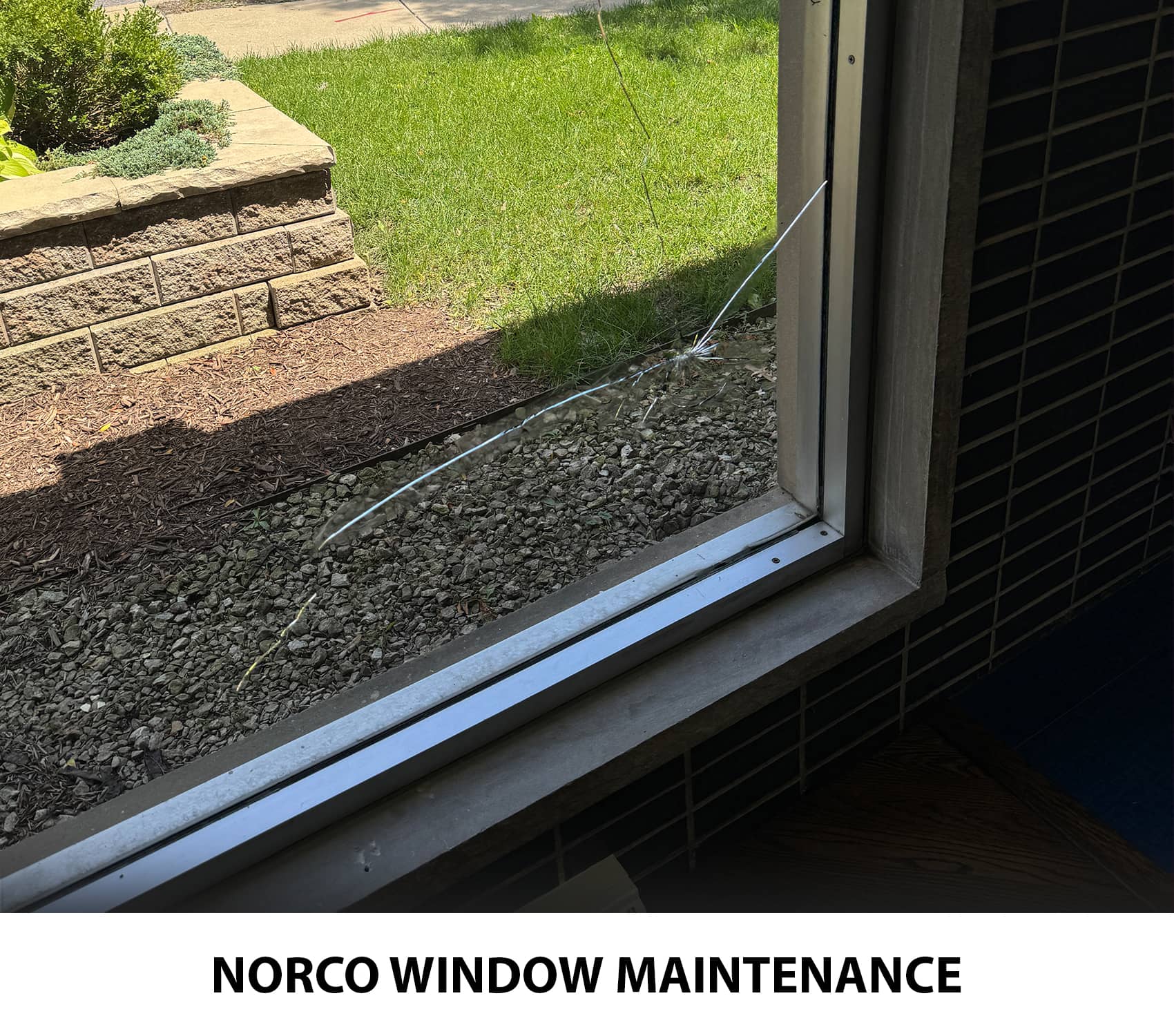
When glass goes cloudy, cracks through, or breaks outright, the usual repair is to replace the pane or insulated glass unit while leaving the existing frame in place. That route keeps the original trim, paint transitions, and opening intact, while restoring a clear view and bringing back proper thermal performance. In Arlington, VA, that matters often, because a full tear-out is not always justified when the frame itself remains stable and serviceable.
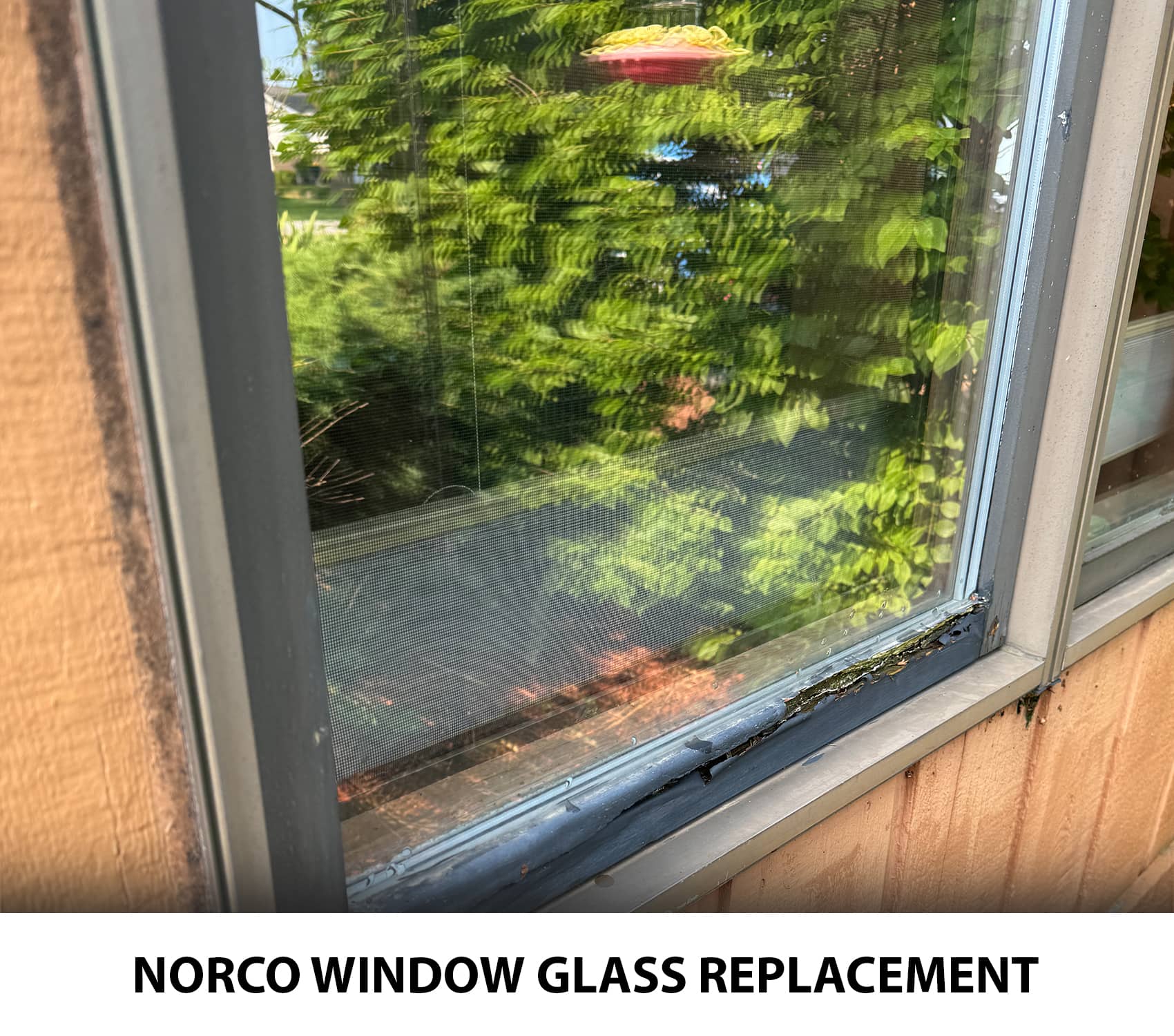
If the haze, moisture, or dull film is trapped between the panes, the issue is usually not surface grime and not a cleaning problem. In most cases, it means the insulated unit has lost its seal, so the real fix is replacing the IGU rather than trying to polish around the symptom.
Condensation on the glass: what it usually means, and what to do
Moisture on the room-facing side of the glass usually comes from indoor conditions, not from glass failure. Warm interior air meets a colder pane and turns into visible water. The common reasons are poor air circulation, uneven heating, a radiator blocked off by the sill area, or rooms filled with plants that keep raising humidity levels.
Condensation begins to show when the inside surface of the glass or frame stays noticeably colder than the air indoors. Very tight plastic windows can make this stand out more, because reduced air exchange leaves moisture hanging in the room, so it starts collecting on the interior face unless ventilation improves.
The prevention routine in that source is fairly concrete: ventilate the room three or four times a day for about 10 to 15 minutes, add another 15 to 20 minutes in the morning, and use the partial-open or depressurization setting where the hardware allows it (with the handle positioned around 45 degrees) so fresh air continues moving through the space a little longer.
If moisture is trapped inside the IGU itself, that same source treats it as a replacement issue, sometimes with a manufacturer or warranty path depending on the unit. Terms still need to be checked one case at a time, but attempts to dry out a failed insulated unit usually do not solve anything and only stretch the repair out longer than necessary.
Wood frame restoration: sash, sill, and frame rot
Wood rarely gives out all at once. Most of the time, the damage starts in the places that stay damp the longest and take the same weather hit again and again, usually along the sill, at the bottom corners, and around joined sections. Swelling, rot, and surface failure usually build slowly, which is why this kind of work is handled step by step: remove the weakened material, treat the affected area, rebuild the lost section, and bring the finish back together so the window recovers both its look and its strength.
That matters for a very practical reason. Rot in the sash, sill, or frame does more than make the unit look neglected. It starts weakening the structure itself, and once that damage keeps spreading, deeper water intrusion can follow, along with soft dark wood, peeling finish, and sometimes even insect activity. In Arlington, VA, that kind of progression is worth catching early, before a contained repair turns into a much bigger problem across the opening.
There is also a real divide inside this repair category. Some situations stay within direct restoration work. Others call for removal and replacement of the damaged section itself, such as cutting out a failed sill and fitting a new one in its place. Even then, the logic still stays on the repair-first side. The difference is that the failed piece is fully removed and rebuilt the right way instead of being covered over while deterioration keeps moving underneath.
Hardware repair: cranks, hinges, locks, balances, mechanisms
Hardware is often what makes an otherwise solid window feel far more worn than it actually is. A crank that binds, hinges that have developed play, balances that no longer hold the sash, or a latch that stops lining up can make the entire unit seem ready for replacement when that is not really the case. The aim in this repair lane is straightforward: clean movement, a sash that shuts and seats properly, and a lock that catches without forcing the handle, shifting the frame, or trying twice.
Typical work in this category includes replacing balances, changing out worn cranks, and rebuilding or swapping the full operating mechanism. The failed part needs to be pinned down correctly from the beginning, because a “hardware issue” rarely stays limited to one small piece. In real service conditions, several linked components often wear out together, with one dragging the next out of position little by little until the whole motion starts feeling rough or unreliable.
With older or discontinued products, the better strategy is usually to think about fit before branding. If the original part is still available, that is the cleanest route. If it is no longer on the market, a well-made compatible replacement is often the stronger choice. And when neither of those will bring back stable, lasting operation, a custom-fabricated part usually makes more sense than an almost-matching substitute that solves very little and sets the unit up for another failure not far down the road.
Tilt & turn issue: sash opens wrong and won’t close
At times, a tilt-and-turn sash starts trying to operate in two directions at once and then refuses to close properly because the upper hinge point has come out of position. The reset is usually straightforward: press the sash back toward the frame so the small tab under the handle is fully engaged, turn the handle into the tilt position, then return it to the normal position so the hardware can re-sync. If that does not bring the sash back into normal operation, the next move is usually to contact the installer or a repair company.
Weatherstripping, seals, and “it started blowing when it got cold”
Draft complaints are real, but the cause often gets pinned on the wrong thing too fast. In many cases, the air leak is not coming from one failed piece alone. The sash may no longer pull in tightly against the frame. Older seals lose elasticity and stop doing their job the way they once did. Exterior joint sealing can also break down after exposed foam sits through sun, rain, and repeated temperature swings. Sometimes the fittings are still adjusted for lighter warm-weather pressure, so the first serious cold stretch in Arlington, VA suddenly makes the leak obvious around the frame and easy to feel by hand.
The repair path usually starts with the seals. Worn weatherstripping gets replaced with newer material that holds its form better and lasts longer under repeated compression. After that, attention moves outward to the joints: loose or crumbling foam is removed, gaps are re-foamed where needed, and the assembly seams are covered and sealed with one-component acrylic or another proper sealing method. Silicone renewal and seam repair belong to this same service lane, because they are dealing with the same route of air leakage rather than a separate kind of defect.
Seal maintenance still matters after the repair is done. Some sources describe that through care kits and lowering compression load. In simpler terms, seals are consumable parts. Over time they dry out, lose rebound, and flatten under pressure. A bit of routine care helps keep that same cold-air complaint from showing up again as soon as the next season turns.
Alignment and track work: stop the “sticky window → broken hardware” chain
A lot of windows that get blamed on a bad crank are actually starting from somewhere else. The first problem is often drag in the track or a sash that has shifted just enough to start running out of line. Once that happens, resistance builds gradually. Dirt packs into the channel, wear accumulates, and the moving parts stop traveling on a clean path. The repair logic is straightforward, but it matters: inspect the system closely, clear out the buildup, and bring the moving parts back into proper alignment so the sash glides again, closes with the right pressure, and stops overloading the frame and hardware.
On sliding windows, the work usually becomes more precise. Common service includes clearing the track, replacing tired rollers, and correcting panel alignment so the movement feels balanced again after years of grit, age, and regular use have left the sash scraping, dragging, or lurching across the opening. In Arlington, VA, that pattern shows up often after dirt and seasonal moisture have had time to collect in the lower track and turn a smooth slide into a rough, uneven pull.
Window types: what usually fails first
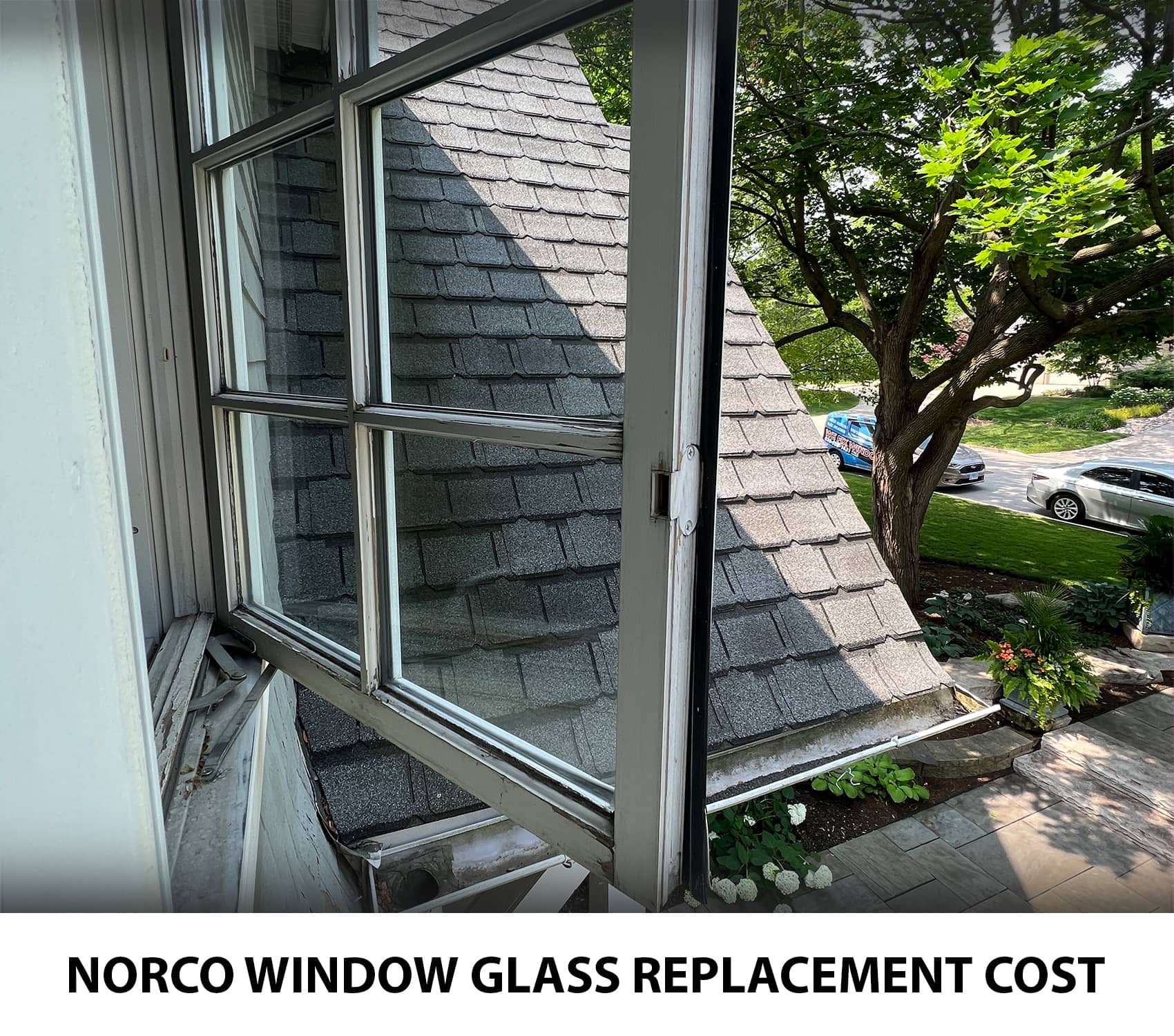
Norco windows do not all operate the same way, so the usual failure points change with the design. In casement units, trouble most often shows up in the hinges, crank mechanism, and seal lines, because those parts control the swing, the pull-in pressure, and the weather-tight closure.
Double-hung windows usually run into a different set of issues. The common repair path tends to center on failed balances, worn weatherstripping, and sashes that have drifted out of position. Those are the parts that determine whether the sash stays where it is opened and whether the unit closes firmly enough to keep out moisture and moving air.
Awning windows usually come back to a similar group of weak points, just in a different arrangement: worn seals, hinge wear, and crank-related problems. Because the sash is top-hinged, those components do most of the work when it comes to movement and resistance to weather. In Arlington, VA, that usually becomes easier to notice once the window starts feeling stubborn in cold snaps or damp weather.
Sliding windows usually do not fail in one obvious moment. They tend to wear down bit by bit. The usual pattern is grit in the track, rollers wearing flat, and years of daily movement, which is why repairs in this category usually focus on track cleaning, roller replacement, and bringing the panel back into proper line.
Picture and fixed windows do not rely on moving hardware, so the weak point there is usually the glass unit itself: condensation between panes or a seal that has broken down inside the insulated unit. In that situation, the standard repair is IGU replacement while the frame stays in place and the original appearance of the opening is preserved.
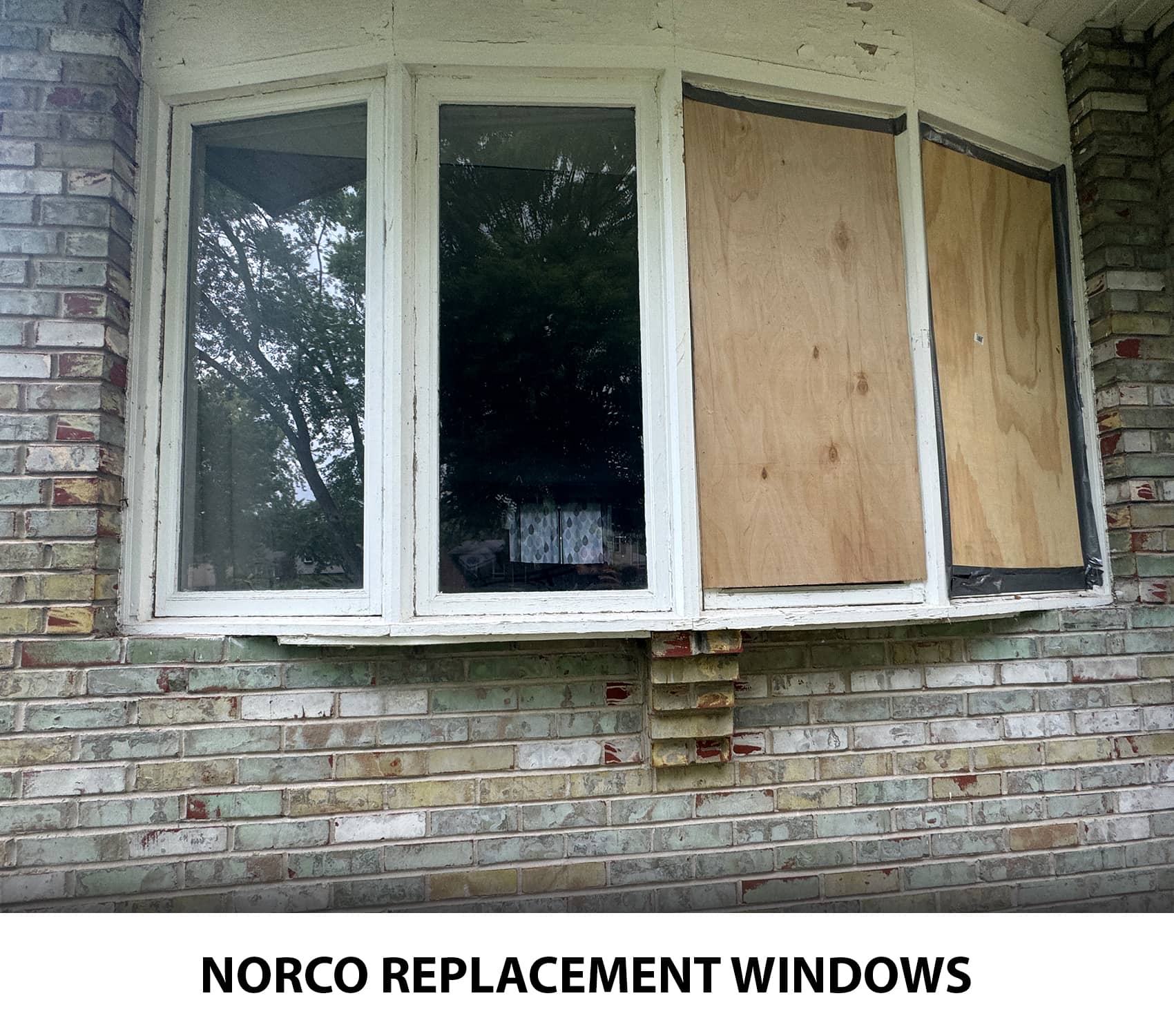
Bay and bow assemblies add more complexity to the job. They often combine more than one window type and depend on solid support along with tight, well-protected joints. In that repair lane, the work may involve correcting support issues, resealing the joints, and replacing failed glass or worn hardware where needed so the assembly keeps both its look and its practical performance.
Custom and specialty shapes need a more exact repair approach because the geometry is not standard and the tolerances are less forgiving. The main goal there is to preserve the original design while restoring dependable operation, especially in Arlington, VA, where a weak seal or poor fit usually becomes obvious quickly once wind, moisture, and temperature swings start pressing on the unit.
Replacement services: when repair isn’t the right tool
A repair-first approach does not mean every unit should keep getting another fix regardless of condition or cost. There comes a point when replacement is the more sensible step because repair no longer solves the underlying issue. Even though repair is often the preferred route, largely because full replacement is the more expensive path, some situations reach the stage where one more partial fix only postpones a larger and more necessary decision.
Appearance is another reason this repair-first approach carries so much weight. In Arlington, VA, preserving the original look often remains important unless the opening is already part of a broader renovation. That can matter whether the final scope ends up being repair work or full replacement. Part of it is simply what the homeowner wants, but part of it affects the planning of the job itself. If one new unit needs to blend with the rest instead of standing out as obviously newer, that expectation should be settled early, before the work moves forward.
Conclusion
Norco window and door repair, along with the smaller group of cases where replacement is truly necessary, works best when the unit is treated as a set of connected systems rather than one vague problem. The first step is to identify the actual failure path: glass, wood, hardware, seals, or alignment. From there, the scope should follow the real defect, the parts plan, and the overall condition of the unit. If replacement turns out to be the right answer in Arlington, VA, it should come after inspection and a clear technical reason, not impatience, guesswork, or a rushed sales push.