Start with the actual failure, not the assumption
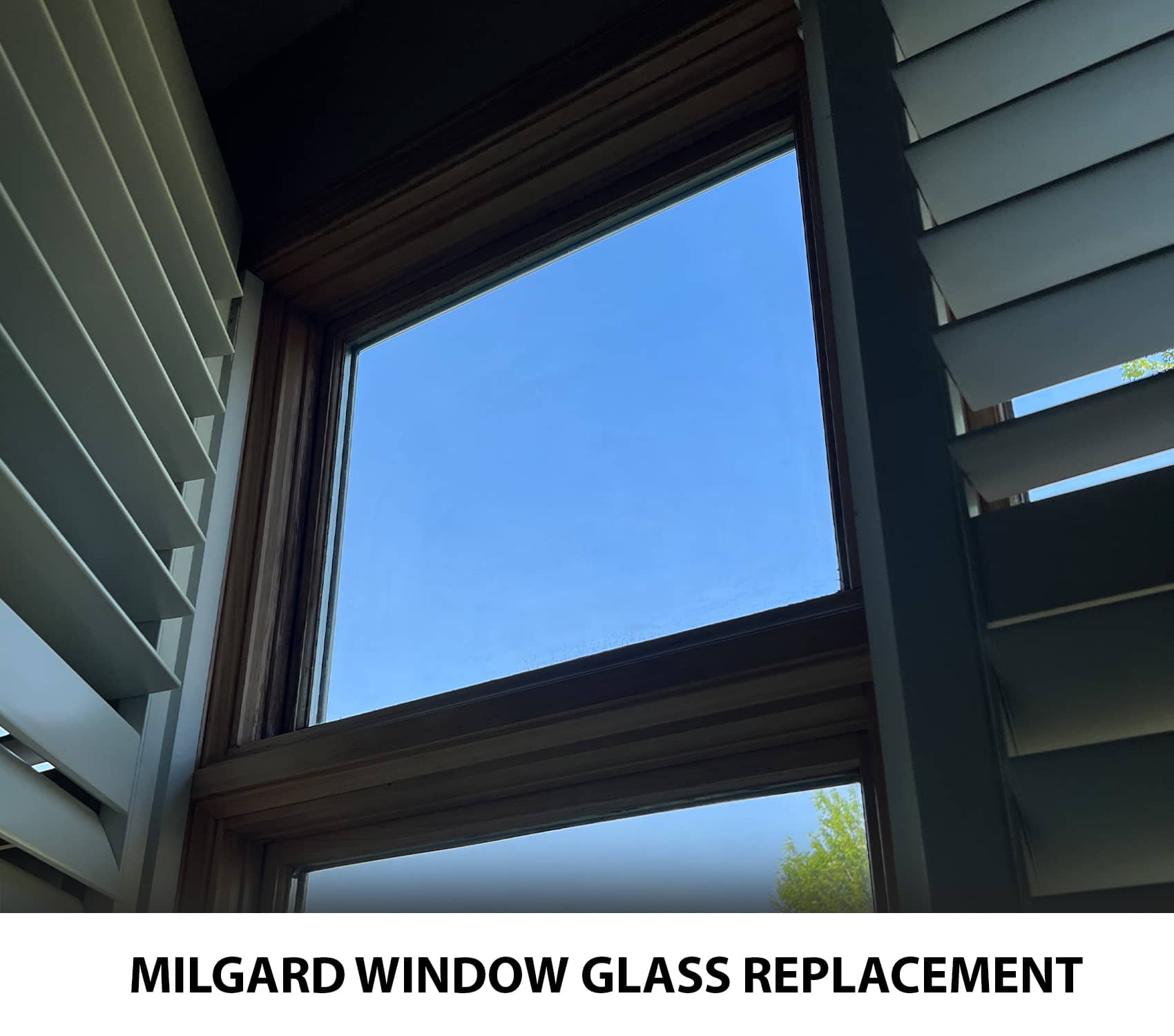
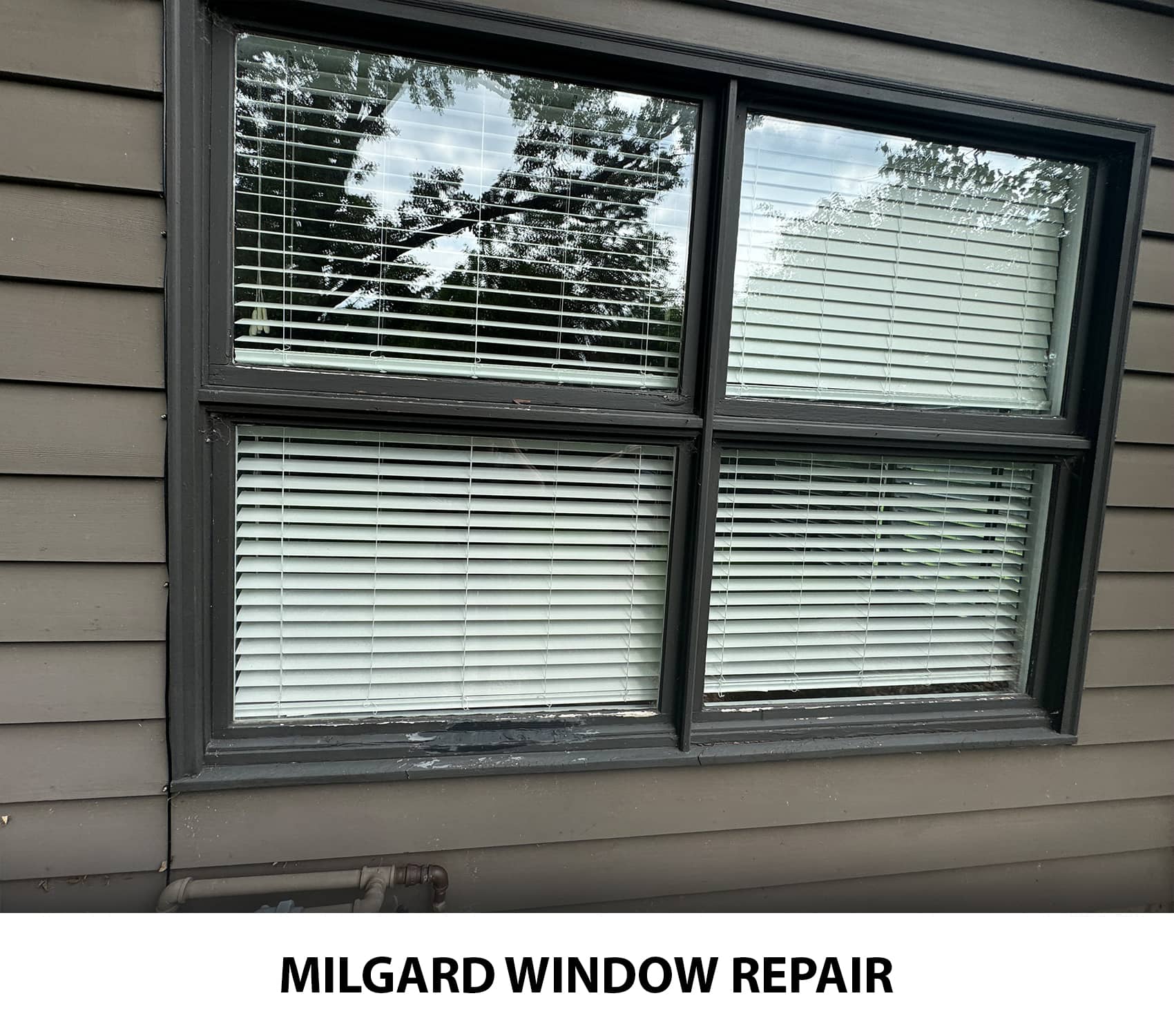
Begin with the part that actually failed, not with a ready-made verdict. A large share of Milgard issues still falls into the repair category. Cracked or fogged glass, broken locks, loose handles, crank problems, failed balances, worn rollers, and many sash or sill troubles can often be corrected without removing the entire unit. The reasoning is straightforward, but the decision should still be precise. When the problem is confined to one operating system and the rest of the opening remains stable in the wall, repair is usually the more sensible response. If the damage stays contained, full replacement often solves more than the opening ever asked to have solved.
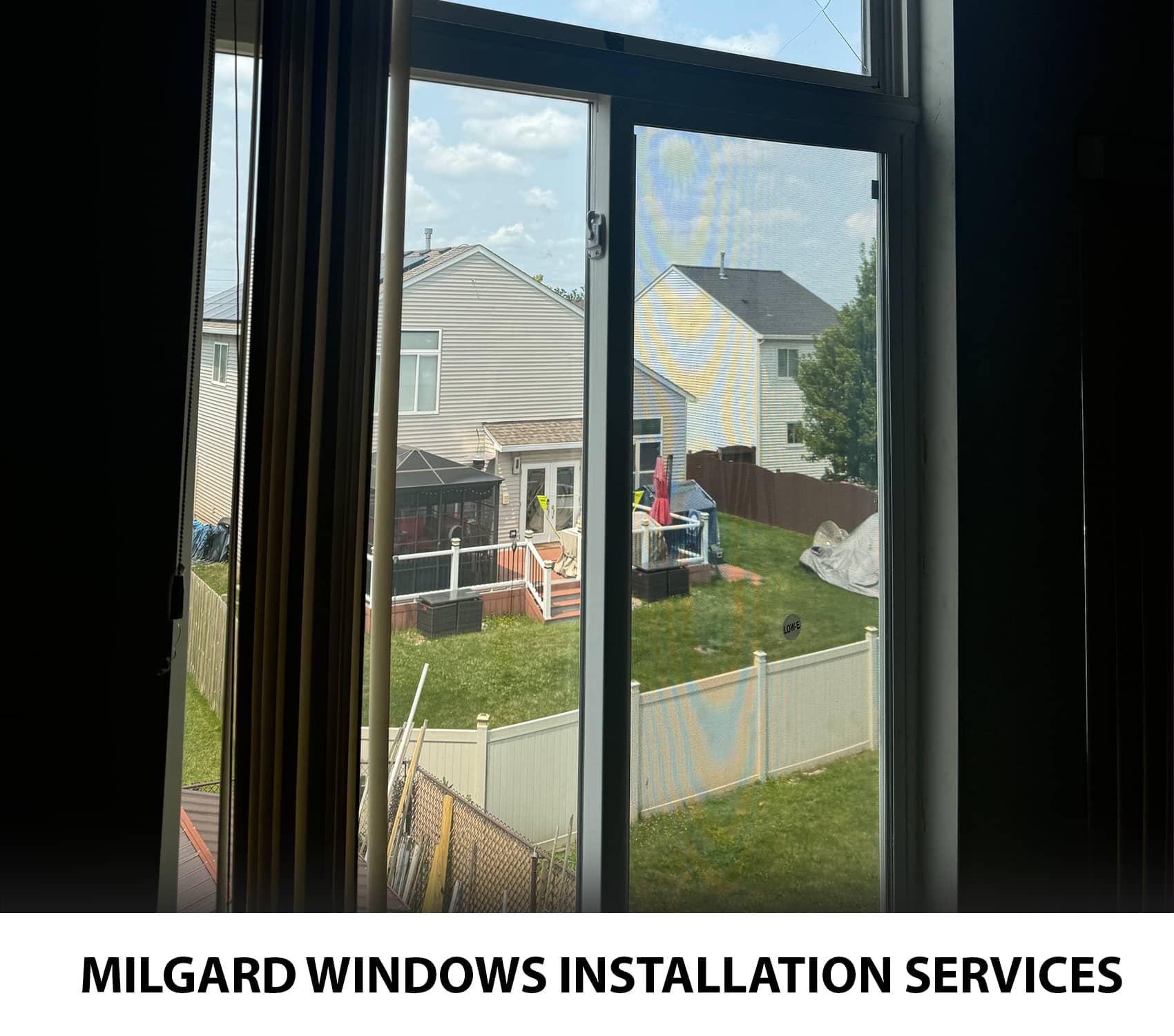
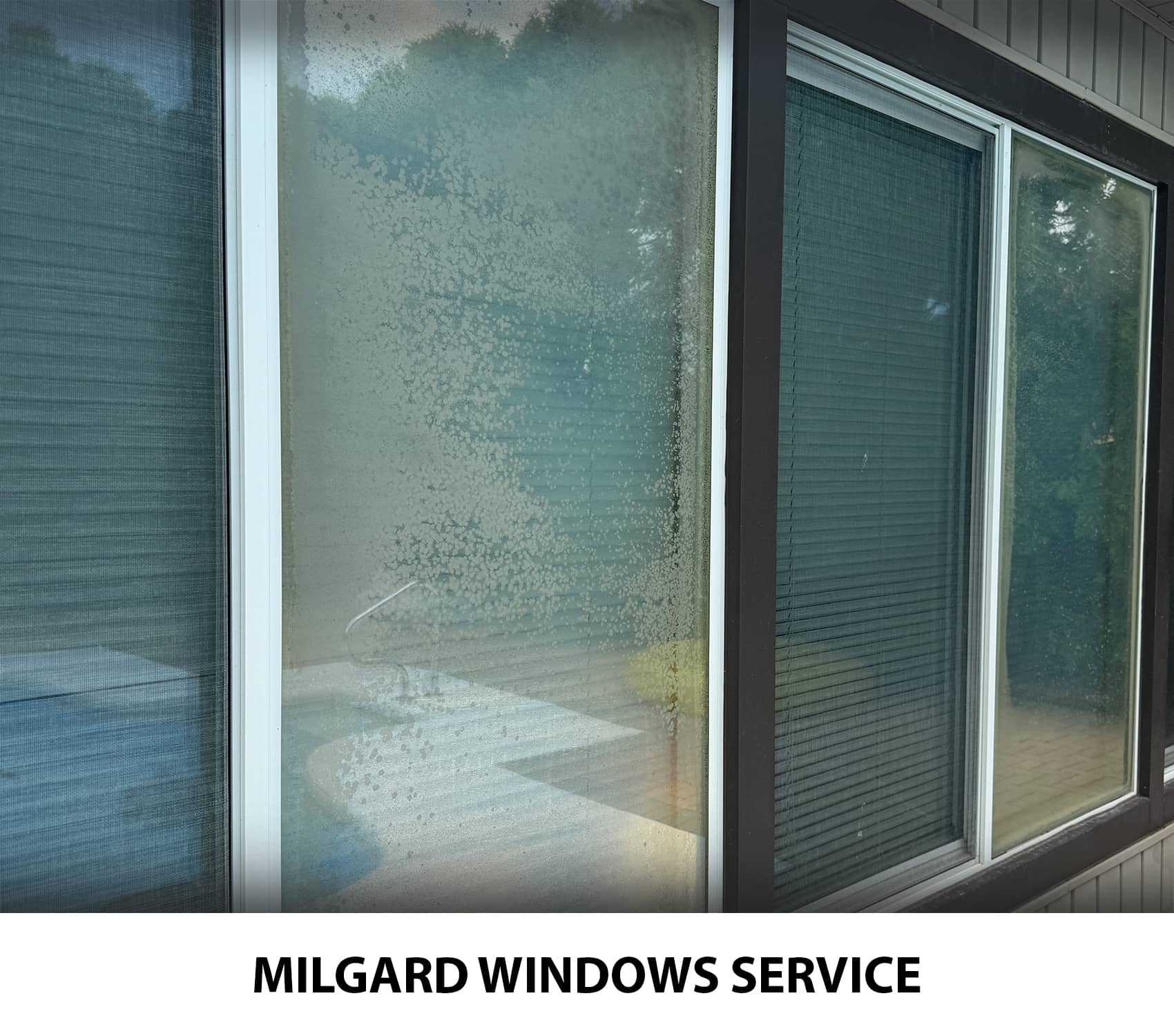
The chain of cause and result matters just as much here. When a sash starts rubbing the frame, the real issue may be shifting alignment or tired hardware rather than a window that is simply “done.” When a patio door drags and the latch stops meeting cleanly, the source often sits in worn rollers, track wear, or changes in panel geometry. When the glass turns cloudy but the sash and frame still feel firm, the first place to look is the glass itself, not an automatic full-unit swap. Even a draft on windy days can come from weatherstripping or an uneven fit rather than total failure. And before any exact-match part or replacement unit is ordered in Arlington, the Milgard label needs to be checked, because the series, dimensions, and hardware setup directly affect what can still be repaired and what truly belongs in the replacement category.
What usually stays in the repair lane
Repair is usually the stronger choice when the problem is sitting inside one working component and the rest of the opening still has solid years left in it. The most typical examples are failed glass, tired hardware, limited damage around the sash or sill, and roller trouble on a sliding door. The point is not that repair automatically wins on cost every time. The point is that it is often the more measured first step when the failure is contained, the existing unit still suits the house, and there are no broader signs that the whole assembly is wearing out.
It also helps to sort those repair routes a little more carefully. A pane that has cracked or gone milky points first toward glass work. A crank that spins without doing much, a handle that gives out, or a lock that stops catching belongs first in the hardware category. A sill corner that has softened, a sash that swells and sticks in damp weather, or a damaged stretch of frame is more accurately a sash, sill, or frame repair issue, not an automatic case for replacement. A patio door that scrapes, drags, or moves roughly belongs under rollers, track condition, and alignment. That distinction matters more than it may seem at first. Replacement money disappears quickly when the wrong decision gets made and the real trouble was sitting in one repairable part the whole time.
One limit should be made clear before the decision guide below. Most repair signals are not unique to one frame material. Material matters far more later, once the question stops being “what failed here?” and becomes “what should replace this opening?”
Repair vs. replacement decision tool
|
Situation
|
Go
|
Caution
|
No-Go
|
What to verify before approving work
|
|
The glass is cracked or fogged, but the rest of the unit still feels stable
|
In many cases, glass repair or replacement is the right first move
|
Verify the exact glass configuration and inspect the nearby sash and frame before anything is ordered
|
Move toward replacement only if other parts of the unit are also failing
|
Check the product label and look closely at the surrounding condition, not only at the damaged pane
|
|
The issue is a failed lock, handle, crank, balance, or roller
|
Repair is usually the best place to begin
|
Make sure the failed part is not being caused by sash misalignment or a frame that has shifted out of shape
|
Replacement makes more sense when the same opening keeps cycling back into hardware trouble
|
Confirm that the hardware failure is the real problem, not a symptom of something larger
|
|
The complaint is sticking, rubbing, or a draft in one area
|
Identify the source first, then repair that specific area
|
Check whether the cause is adjustment-related, glass stress, hardware wear, or a localized frame problem
|
Choose replacement when inspection shows broader warping, spreading damage, or overall performance decline
|
Separate a local fit problem from true whole-unit underperformance
|
|
The goal is more daylight, more privacy, better airflow, or egress that better matches code expectations
|
Repair will not change the basic function of the opening
|
Repair may help for a while, but only as a short-term measure
|
Replacement becomes the better choice when the function itself needs to change
|
Clarify whether the project is restoring the existing opening or reshaping it for a different purpose in Arlington, VA
|
|
Several older openings feel drafty, hard to use, and weak in performance at the same time
|
Small repairs may buy some limited time
|
Compare the value of repair spending against broader upgrade goals before moving forward
|
Replacement is often the cleaner long-range answer in this situation
|
Review each opening on its own condition, not through one blanket assumption for the whole house
|
How the material changes the answer in Arlington
Once the conversation shifts beyond one isolated repair and into the larger repair-or-replacement call, frame material begins carrying much more weight. The common replacement categories in this kind of work are vinyl, fiberglass, and aluminum, and each one brings its own balance of upkeep, appearance, and day-to-day performance. In Arlington, VA, that choice is also tied to weather exposure, the amount of maintenance the opening can realistically handle, and the long-term result the replacement is meant to deliver. If the unit appears to be wood or has a wood-grain look, guessing the series by appearance is the wrong move. The label should be verified first so the exact product in the opening is identified before the replacement path starts moving too far in the wrong direction.
|
Material
|
What the sources emphasize most
|
When the homeowner usually starts leaning toward it
|
|
Vinyl
|
Easier upkeep, broad series availability, more color choices, and a practical fit for straightforward replacement work
|
When the priority is a simpler replacement path with less ongoing maintenance to stay on top of
|
|
Fiberglass
|
A more substantial upgrade feel, a finish that can be painted, stronger durability, and better performance under tougher weather conditions
|
When the opening calls for a more polished upgrade or a painted wood-look effect without the heavier maintenance load
|
|
Aluminum
|
Thinner sightlines, more room for glass, a sharper contemporary look, and a more rigid structural feel
|
When larger glass areas, slimmer frames, or a cleaner modern exterior matter more than anything else
|
Warranty, labels, and service-provider fit in Arlington
This is one of those areas where different decisions often get blurred together, even though they work better when separated. The product label matters because it helps identify the exact Milgard unit, improves part matching, and lowers the chance of ordering the wrong replacement piece or moving into the wrong series. The label connects not only to matching components and exact replacement paths, but also to maintenance choices that can affect Milgard windows warranty considerations. So the label is not just a small paperwork detail sitting in the corner. In Arlington, VA, it is one of the most dependable reference points available before a repair gets pushed too far toward full Milgard window replacement or before a quote starts drifting away from the unit that is actually in the opening.
Warranty eligibility has its own line, and it should stay separate from the repair decision itself. Coverage depends on purchase through an authorized source and on professional installation performed under Milgard requirements. That matters more than it may seem at first, because a genuine product can still fall outside the intended warranty track when the buying channel or installation method does not match those conditions. For that reason, a Milgard service request, a review of Milgard review details, or even the question are Milgard windows good should not be treated as stand-ins for actual coverage status. The real answer still comes back to documentation, installation path, and product identification.
Provider fit deserves the same kind of careful read. One company may be the right choice for Milgard glass replacement, Milgard window replacement glass, Milgard replacement glass, Milgard sliding door handle repair, Milgard window handle replacement, or other Milgard window repair parts work, but not the best match for a full-house Milgard windows replacement project. The reverse is true too. A contractor set up to install Milgard windows, handle Milgard garden window installation, or take on broader Milgard window install and replacement planning may not be the outfit built around smaller diagnostic repairs, exact-match hardware sourcing, Milgard patio door parts, Milgard sliding door handle parts, Milgard window parts near me searches, Milgard window roller replacement, or Milgard sliding glass door screen replacement. The categories overlap on paper, but the actual workflow, tools, experience, and planning depth are not always the same.
Cost, value, and installation basics
Cost does not mean much until the scope is pinned down correctly. Replacement pricing moves with the material, the number of openings, and the specifics of the job itself, and the source material is clear about one thing: bargain-level replacement windows are not where corners should be cut. Price has to be weighed against the actual scope of work, not against a best-case assumption.
That same money question cuts both ways. When the problem is one failed insulated glass unit or one worn hardware set inside an otherwise solid opening, full replacement can become unnecessary spending in a hurry. But when the unit is aging, underperforming, drafty on windy days, and irritating in several ways at once, repeated repair invoices can start forming their own costly pattern. In Arlington, VA, the more useful question is whether the money is restoring a good opening to proper condition or simply dragging out the life of one that is already losing its shape as a complete system.
Execution deserves closer attention than it usually gets. The measurement guidance calls for width checks at the top, center, and bottom, then height checks at the left, middle, and right, with the smallest dimensions used for fit, followed by confirmation of frame depth. From there, the installation sequence moves through careful removal of the old unit, cleaning and repairing the opening, test-fitting the new window, fastening it properly, sealing the perimeter with caulk, and finishing the trim and sealant. That order is not a formality. Poor prep, loose fit, or weak sealing can recreate the same complaints that later get blamed on the product, from air leakage to a damp sill or uneven operation. In this framework, a successful project depends not only on glass quality, frame material, and design choice, but also on how the work is carried out from the first inspection to the final installation.
Regular maintenance still belongs in the picture after the main work is done. Competent upkeep can head off larger repairs later, and each serviced opening should be reviewed as a whole, from sash and frame condition to glass details and label information. That becomes especially useful when a homeowner in Arlington, VA is trying to judge whether a repaired Milgard unit still has solid years left in it or is already moving closer to the next replacement cycle.
Conclusion
For an Arlington homeowner, the best Milgard decision usually starts with a smaller, stricter question: what exactly failed? Once that is clear, the next step is to match the fix to the failed part, use the label to protect accurate identification, and move into replacement only when Milgard windows replacement solves something a localized repair never truly could. And when replacement is the better route, material and operating style should be chosen around the room itself, not around the loudest pitch, the fastest assumption, or the lowest number in the quote.