Start with the consult: what the first visit should accomplish
A good first visit should feel straightforward and useful. No long sales pitch. No wandering off topic. The real goal is to inspect the windows that are failing and weigh practical options that fit the opening, the budget, and the house itself. In Arlington, VA, professional custom window services often plan that visit for roughly 30 minutes to an hour, and the small setup details matter more than most people expect. Clear access makes the inspection easier. Pets should stay out of the work area. Careful measurements and a clean on-site check usually reveal more than any polished presentation ever could.
Final decisions come from field measurements and from the true condition of the opening. What seems like a simple glass issue on a phone photo can end up being soft wood, a damp sill, bubbled paint near the trim, or worn-out hardware once the window is inspected in person in Arlington, VA.
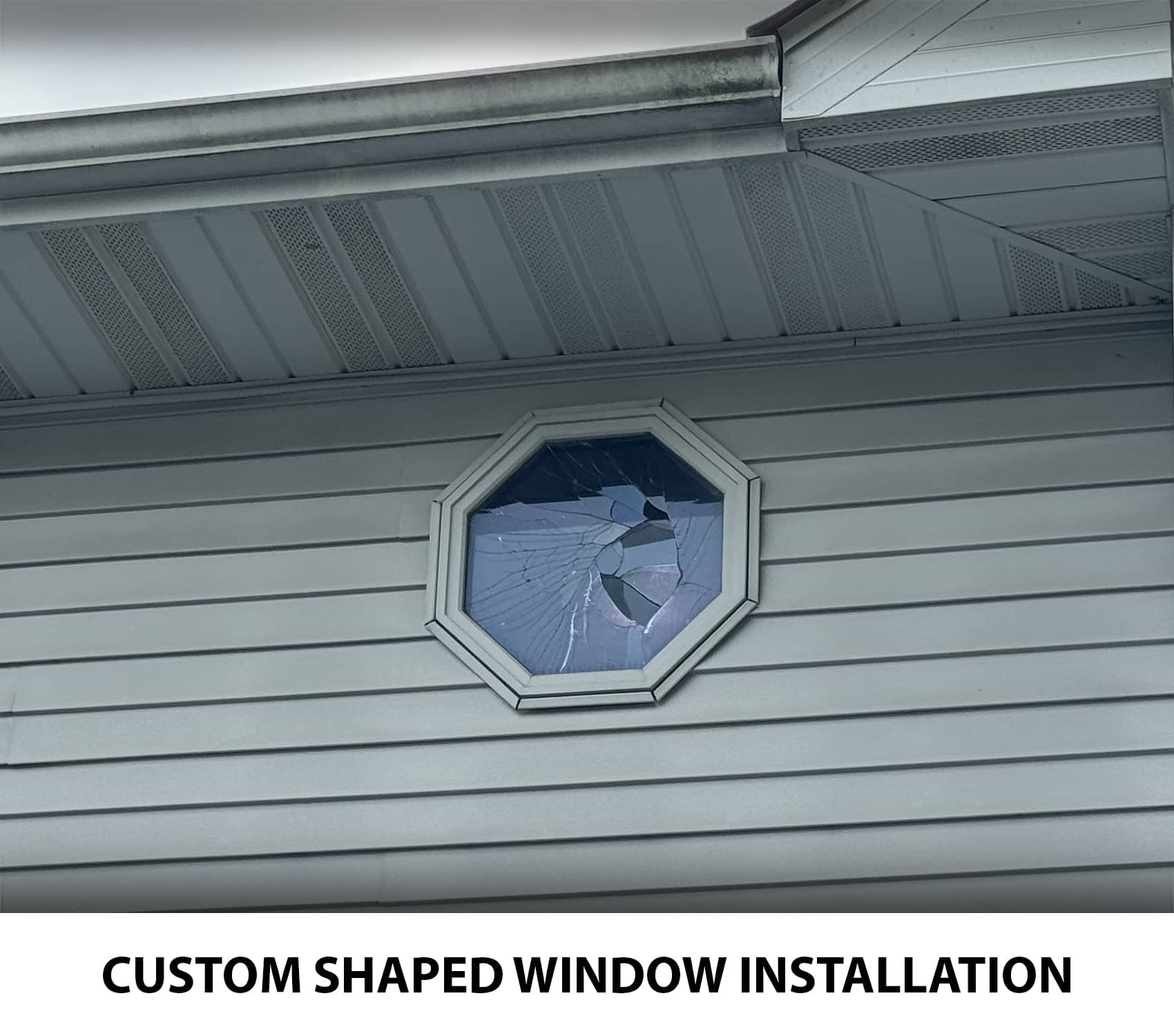
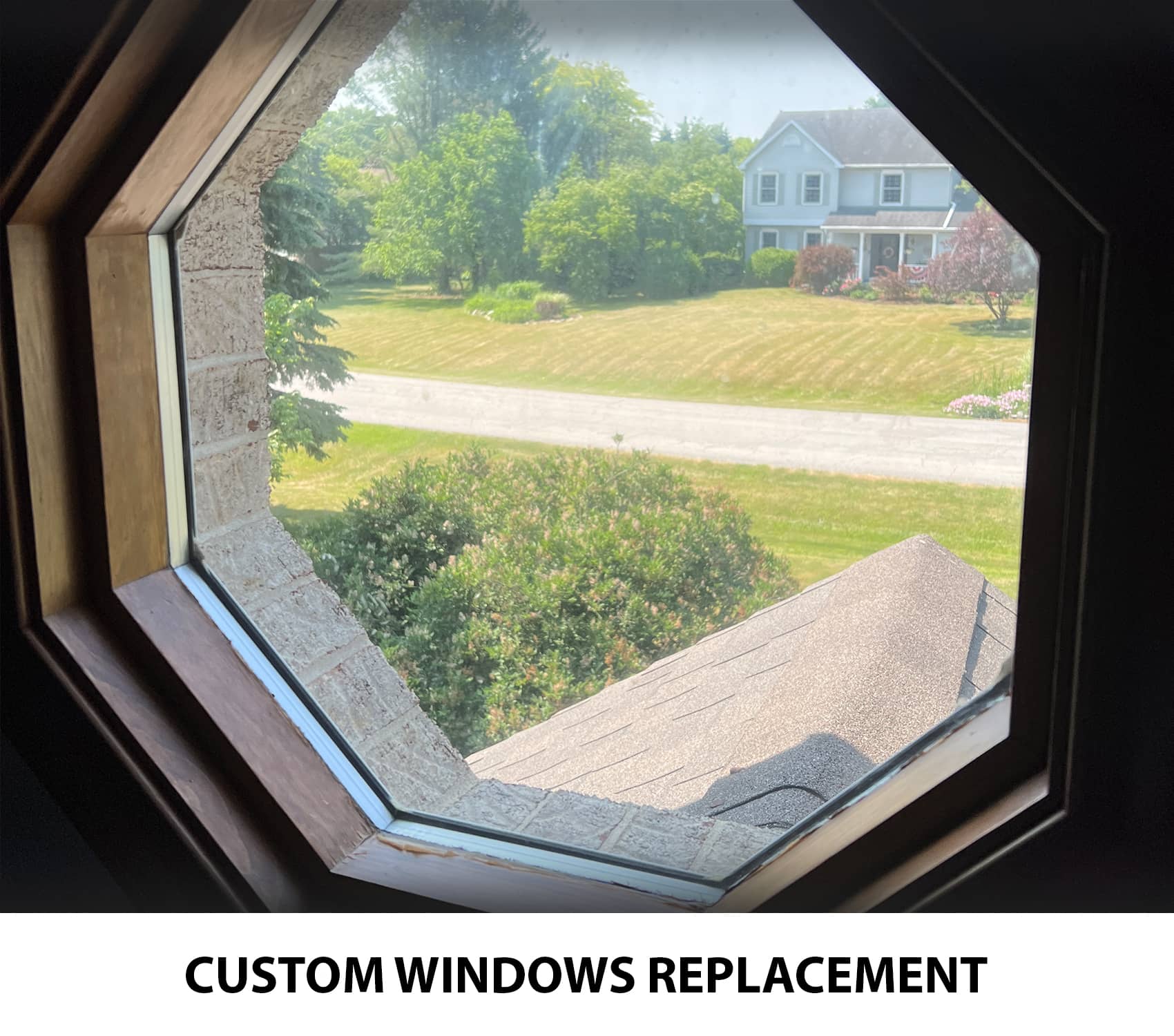
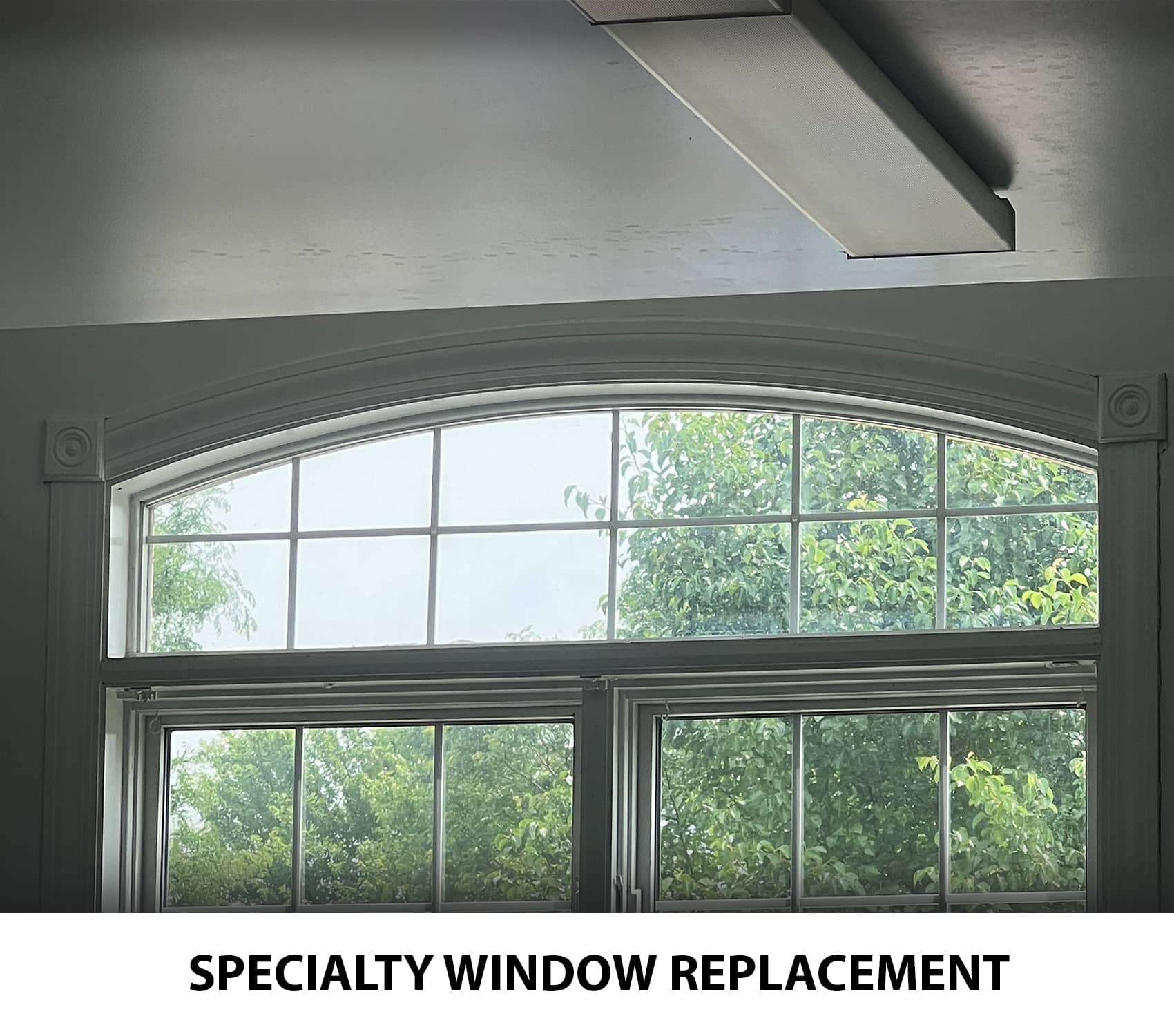
During that visit, the main issue is not the brand name. It is the pattern of failure. Is the problem coming from the glass, the frame, or the hardware? Does the job call for custom window sash replacement, a glass-only repair, custom window repair, or full specialty window replacement? The sensible approach stays consistent: repair first when the unit can still be brought back, then move to custom window replacement or other professional custom window services only when the structure or overall performance can no longer be restored in a durable way.
Measurement: custom work lives or dies here
After the first inspection, measurement is the step that turns custom work from a general idea into something exact. Until then, “custom” can still sound like a sales phrase. At this stage, it becomes numbers, tolerances, and real fit. In Arlington, VA, custom window repair depends on measuring the openings correctly and confirming every dimension before anything moves forward, especially when custom replacement windows or other non-standard units are part of the scope.
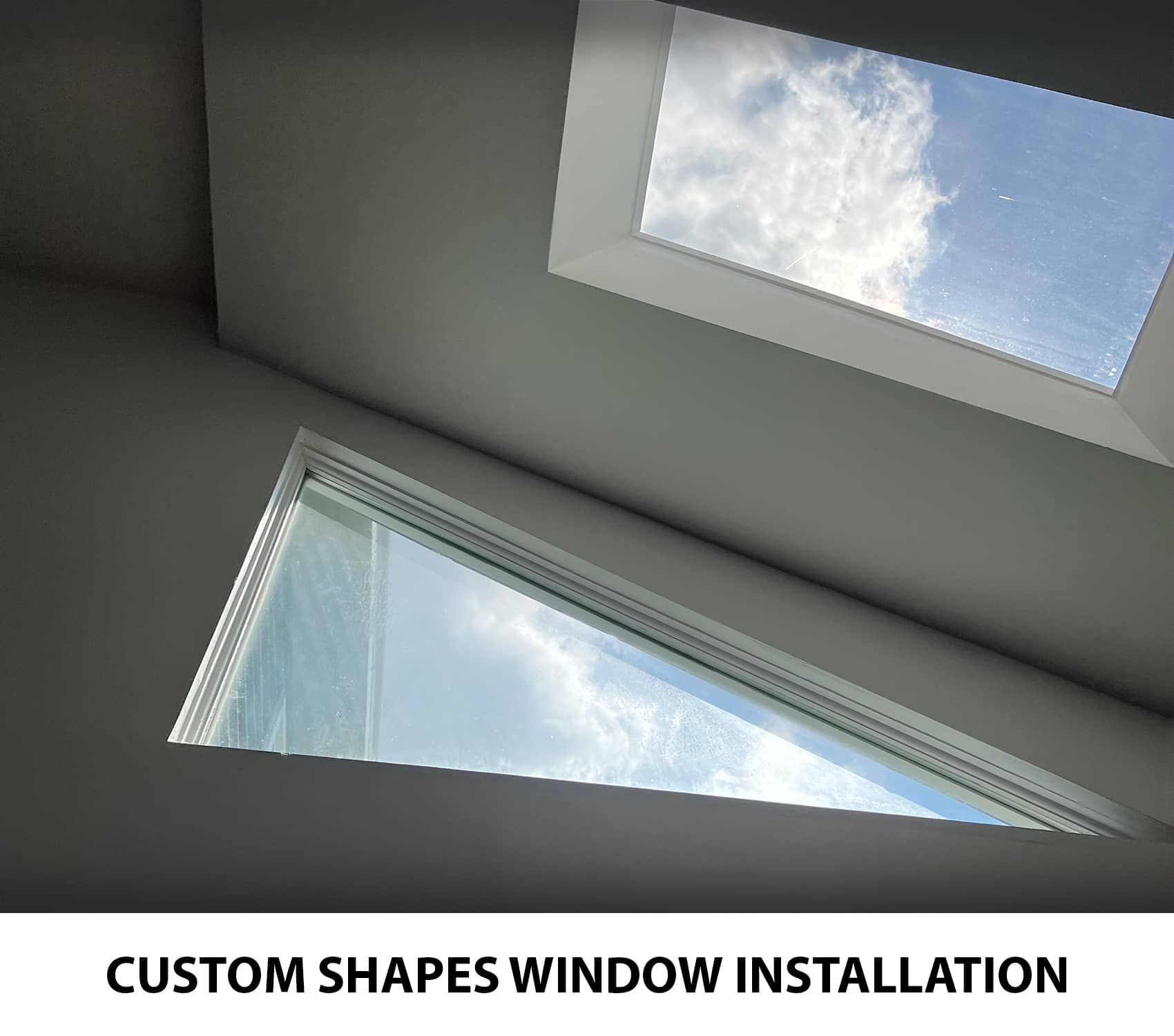
Once a window falls outside ordinary sizes and shapes, arched units, pentagons, trapezoids, radius tops, or large fixed glass, measurement is usually the point where hidden trouble starts showing up. An opening may be slightly out of square. The clearances may be so narrow that smooth operation was never going to hold up for long. In other cases, the warning signs are already visible: a sash that drags, a frame sitting just a little out of line, or paint beginning to bubble near one corner. In Arlington, VA, this is the stage where those problems need to be caught and corrected, before the wrong unit gets ordered and the job starts slipping off course.
Diagnose first: the six failure patterns that drive custom window service calls
In Arlington, VA, custom window repair usually comes back to six repeating problem patterns: frame distortion or material breakdown, fogged glass, hard operation, air leakage, lock failure, and water intrusion. The value is not in the list alone. The important part is the connection between the symptom and the cause, because that is what shows whether the job calls for adjustment, parts replacement, localized repair, or a larger correction.
Frame warping or deterioration
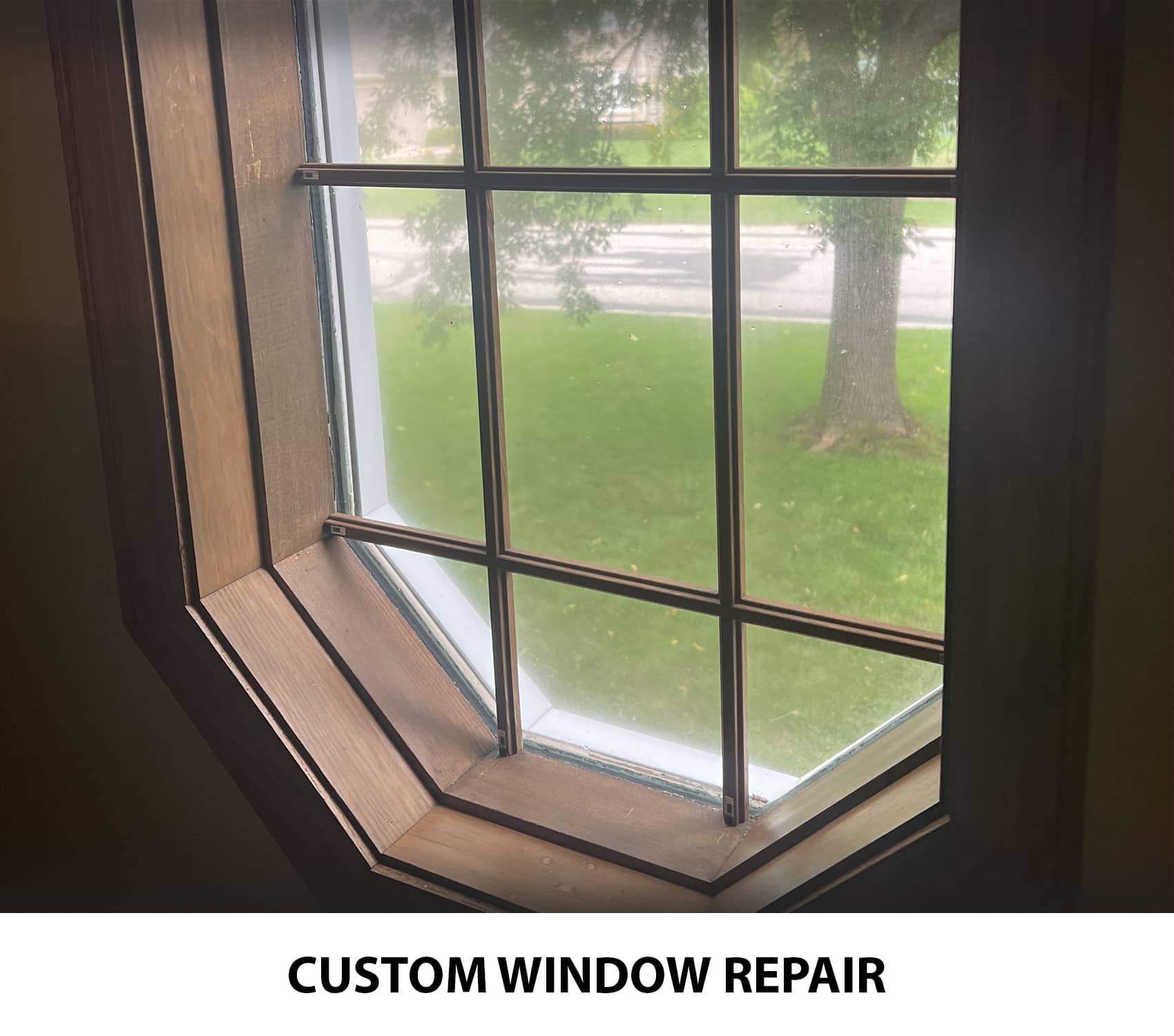
Custom windows are commonly built from wood, vinyl, aluminum, or fiberglass, and none of those materials stay unchanged forever when moisture lingers and Arlington, VA weather keeps shifting from sticky summer heat to sharp winter cold. Once movement or breakdown starts, the weak spots usually appear in the sash, the frame, or the joints that are supposed to stay firm and aligned. The clues are usually pretty clear: the unit starts looking slightly out of line, paint begins lifting near the bottom edge, a draft shows up on windy days, or the sash stops running smoothly. When the damage is still contained, the repair may be limited to correction and reinforcement. When rot, corrosion, or distortion has spread too far, the work can move toward frame repair or full frame replacement.
Fogged or broken insulated glass
On a custom window, haze inside the glass is almost never a cleaning problem. Most of these units use double- or triple-pane insulated glass, and when moisture starts building between the panes, seal failure is usually the real cause. At that point, the problem sits inside the glass assembly itself, so the insulated unit and its seals become the parts that matter most. Once condensation is trapped there, the glass unit needs replacement. Cracked glass falls into the same lane. It cuts into efficiency, weakens the window as a whole, and creates security concerns, so putting off the repair often turns a manageable fix into a more expensive one.
Difficulty opening or closing
The reason is usually not mysterious. Windows start fighting back when dirt builds up in the tracks, metal components pick up rust, or the hardware slips out of alignment, especially on units where cranks, hinges, locks, and tracks get used every day. A stiff window should not be forced. One rough pull can turn a manageable service call into a broken operator or a damaged sash. Sometimes the fix stays simple: cleaning out the buildup, lubricating the moving parts, and resetting hardware that has shifted over time. When the wear is more advanced, the repair can move into hinge replacement, new tracks, lock replacement, or other operating hardware that has simply worn out.
Drafts and air leaks around the unit
A draft does not automatically mean the window is finished. In a lot of cases, air leakage traces back to worn seals, dried-out gaskets, or slight movement in the unit itself. In Arlington, VA, custom window repair often includes seasonal seal checks because fit matters more on custom units and even a small gap can change performance. A simple way to trace the leak path is to hold a candle or a narrow strip of paper near the perimeter and watch where movement appears. From there, the source usually narrows down to failed sealing material, shrinkage in wood parts, or a window that has shifted just enough to stop pulling closed properly.
Locking mechanism failure
A draft does not automatically mean the window is finished. In a lot of cases, air leakage traces back to worn seals, dried-out gaskets, or slight movement in the unit itself. In Arlington, VA, custom window repair often includes seasonal seal checks because fit matters more on custom units and even a small gap can change performance. A simple way to trace the leak path is to hold a candle or a narrow strip of paper near the perimeter and watch where movement appears. From there, the source usually narrows down to failed sealing material, shrinkage in wood parts, or a window that has shifted just enough to stop pulling closed properly.
Water leakage and structural damage
Water intrusion is the point where custom windows can get expensive in a hurry, especially with oversized glass or uncommon shapes. Leaks usually trace back to failed sealant, weak installation details, aging weatherproofing, or wind-driven rain finding the one vulnerable spot. Once water slips past the outer line, the damage usually does not stay in one place. A damp sill can show up first. Then come mildew, mold, softened wood, and sometimes breakdown in the surrounding wall materials. The real fix is not wiping the surface and calling it done. In most cases, the repair means rebuilding the water barrier with new caulk, fresh sealants, and updated weatherproofing, and when the damage has spread further, reinstalling the unit or reframing the opening can become necessary.
Material playbook: what typically fails, and what the right fix looks like
At this stage, the decision often comes down to repair or replacement. The clearest way to read the material side is fairly direct: each frame material tends to fail on its own pattern, and those patterns usually make the next step much easier to judge.
Quick match table: material → typical problem → usual service path
|
Material
|
What usually shows up first
|
What it commonly points to
|
Typical service path (repair vs replacement)
|
|
Wood
|
Soft or darkened spots, lifting paint, swelling, and recurring drafts after hard weather
|
Long-term moisture exposure, with early decay starting to move into the sash, sill, or frame
|
Repair, reseal, and stabilize early; replace damaged sill or frame sections once the structure has already begun to weaken
|
|
Vinyl
|
Comfort complaints like drafts, temperature fluctuation near the opening, plus fit or alignment issues
|
Worn seals, slight frame shift, or installation-related gaps
|
Start with adjustment and resealing; move to replacement when the unit will not stay square or the hardware no longer operates reliably
|
|
Fiberglass
|
Fewer movement-related symptoms at first; later signs usually come from seal failure or hardware wear
|
A frame that stays fairly stable, but aging seals, failing IGUs, or worn operating parts over time
|
Repair seals or hardware while the frame is still solid; replace when glass-unit or frame-related problems have spread too far
|
|
Aluminum
|
A colder feel near the opening, comfort loss, and greater corrosion risk in wet conditions
|
Heat transfer through the frame, along with corrosion where drainage or rust protection has failed
|
Check thermal performance and corrosion first; repair and reseal if the frame is still serviceable, replace when comfort or performance has dropped too much
|
Wood custom windows: repair is often the smart first move
With wood custom units, especially specialty shapes, the first sensible move is often a focused repair instead of immediate replacement. That can mean rebuilding part of the sash, strengthening weakened sections of the frame, replacing a damaged sill, adding protective coatings, and correcting the drainage and waterproofing around the opening at the same time. New sealants and fresh finish work usually belong in that process too, because the goal is not to cover the damage and move on. The goal is to slow the next cycle of moisture intrusion before it gets established again. Once wood decay is left alone, the problem stops being cosmetic. Soft darkened areas begin spreading, the frame loses rigidity, and the window starts giving up insulating performance along the way.
Vinyl custom windows: don’t assume “maintenance free” means “problem free”
Vinyl is often selected because it usually costs less than some other frame materials and does not ask for as much upkeep. Multi-chambered frames can help with insulation, and vinyl generally stands up well against fading, rot, and some forms of movement that tend to trouble wood. Even so, service issues still show up. In Arlington, VA, the same repeat problems come up again and again: tired seals, hardware that has loosened up, slight alignment drift, and sashes that no longer pull shut as firmly as they once did. The frame itself may still be holding together, but the unit can end up drafty, slightly off line, or simply frustrating to use day after day.
Fiberglass custom windows: stability helps, but seals and hardware still matter
Fiberglass gets praised for good reason. It is strong, and it usually holds its shape better through temperature swings than many other frame materials. That matters because a stable frame gives repair work a much better chance of staying limited instead of spreading into a larger project. Still, durability on paper does not erase the usual trouble spots. Seals continue to age. Insulated glass units can still fail. Hardware still wears with time and use. When the frame itself is still solid, a lot of those issues can be handled with resealing, insulated glass replacement, or hardware repair well before full replacement needs to enter the conversation.
Aluminum windows: performance and comfort are the big questions
Aluminum windows usually make their strengths and weaknesses pretty plain, especially in a place like Arlington, VA. The frame can be durable, but aluminum also transfers heat more easily, and that can work against indoor comfort once colder weather sets in. Corrosion can enter the picture too, especially where drainage has been weak or moisture keeps lingering longer than it should. When the goal is to keep aluminum windows in service, the practical starting point is usually the same: check the sealing first, look for corrosion, review how well drainage is working, and see whether the unit is still performing at an acceptable level for thermal comfort.
Conclusion
Custom windows usually do not fail all at once. The trouble tends to build slowly. Seals dry out. Locks stop drawing the sash in tight. The frame shifts just enough to change the fit. Water finds a weak edge and keeps working its way in. The easiest way to overspend is to treat every issue like an automatic full replacement before the real failure pattern is identified.
A more practical path is to move step by step. Start with the consultation. Measure the opening correctly. Identify what is actually failing. Then match the fix to the problem, whether that means repair, glass replacement, or a new unit. The installation scope also needs to handle water control directly, not leave it as an afterthought. After that, routine maintenance carries a lot of the load. That is how custom windows keep doing what they are meant to do: fit cleanly, bring in stronger natural light, and give the house a finished look that does not feel pieced together later.