What to expect from a hardware service call
A worthwhile hardware service visit usually starts with the basics, but not in a rushed or mechanical way. The first job is identifying the window type that is actually there: single-hung, double-hung, casement, sliding, or awning. After that, the symptom gets matched to the part most likely behind it, whether the trouble leads back to a balance, hinge, operator, latch, or track. From there, the correction may be a careful adjustment when the real problem is weak tension or shifted alignment, or a targeted part replacement when something has cracked, worn down, or stopped supporting the sash properly. Guesswork usually buys a short break, not a lasting fix.
When a window keeps acting up, most seasoned technicians in Arlington, VA move through the inspection in a sensible order. If the opening allows it, the sash comes out so the jamb or track can be checked where the hardware actually runs. On single- and double-hung windows, both balances usually get attention early, because one tired side can throw off the whole unit and leave it sliding unevenly or drifting shut. On casement windows, stripped fasteners or loosened screws can tug the sash out of position and make the crank take the blame for a problem that started somewhere else. On sliders, the first close look often goes to the rollers and the track, since a damaged roller can keep dragging and scraping even after lubricant has been tried.
Once the repair or replacement is done, the result still needs to hold up in real use. The sash should travel cleanly without snagging, stay in place on hung windows, and let the latch or lock catch without extra force so the unit closes tight and secures the way it should. When the symptoms do not line up with one clear fault, a decision tool usually helps narrow the next step without turning the visit into trial and error. A workmanship warranty, or another similar coverage period, is often attached to the repair. The exact terms differ, but the point is simple: if the covered window starts slipping, binding, or acting off again, there is a defined way to bring it back for follow-up.
Our window & mechanism repair services
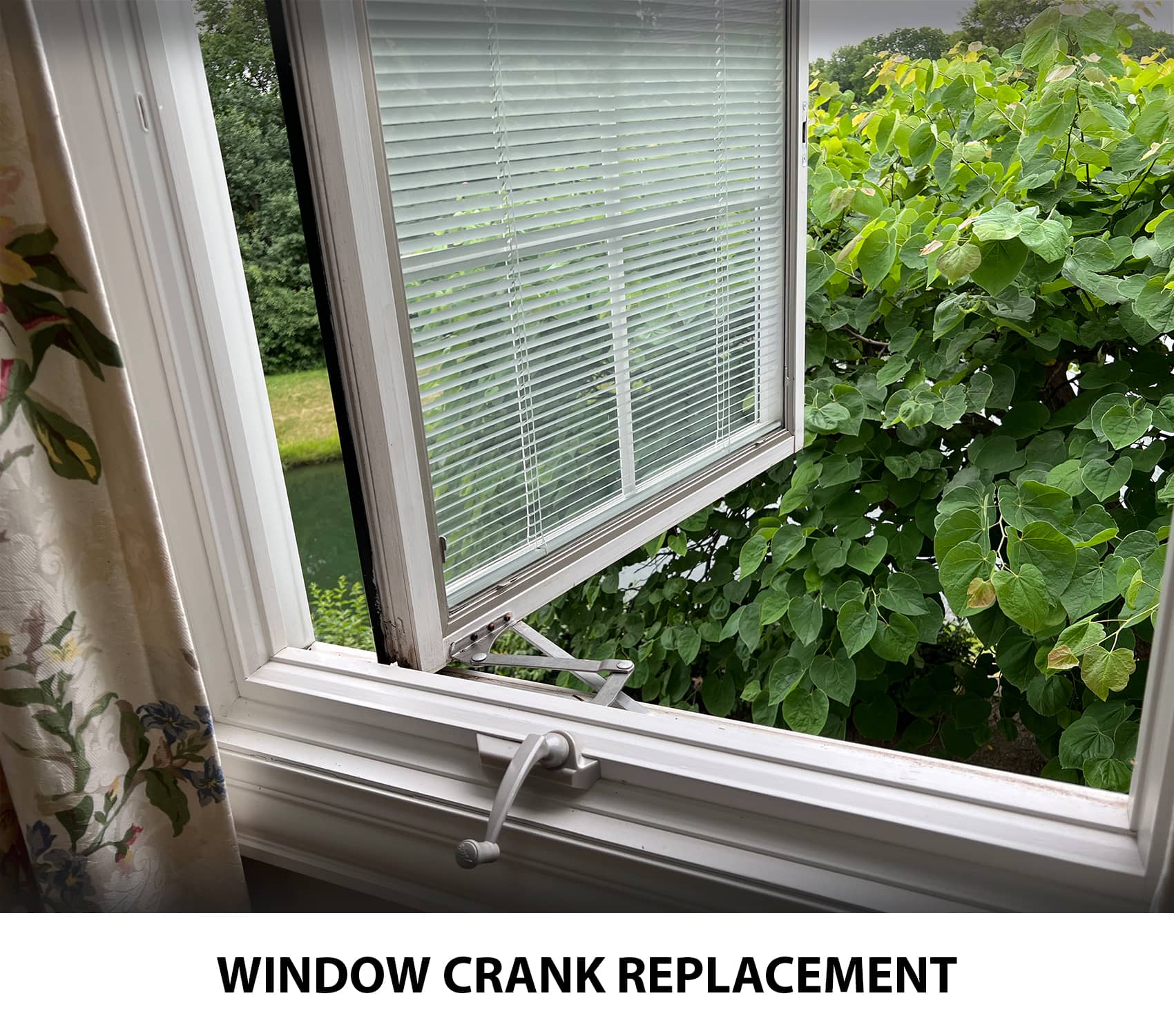
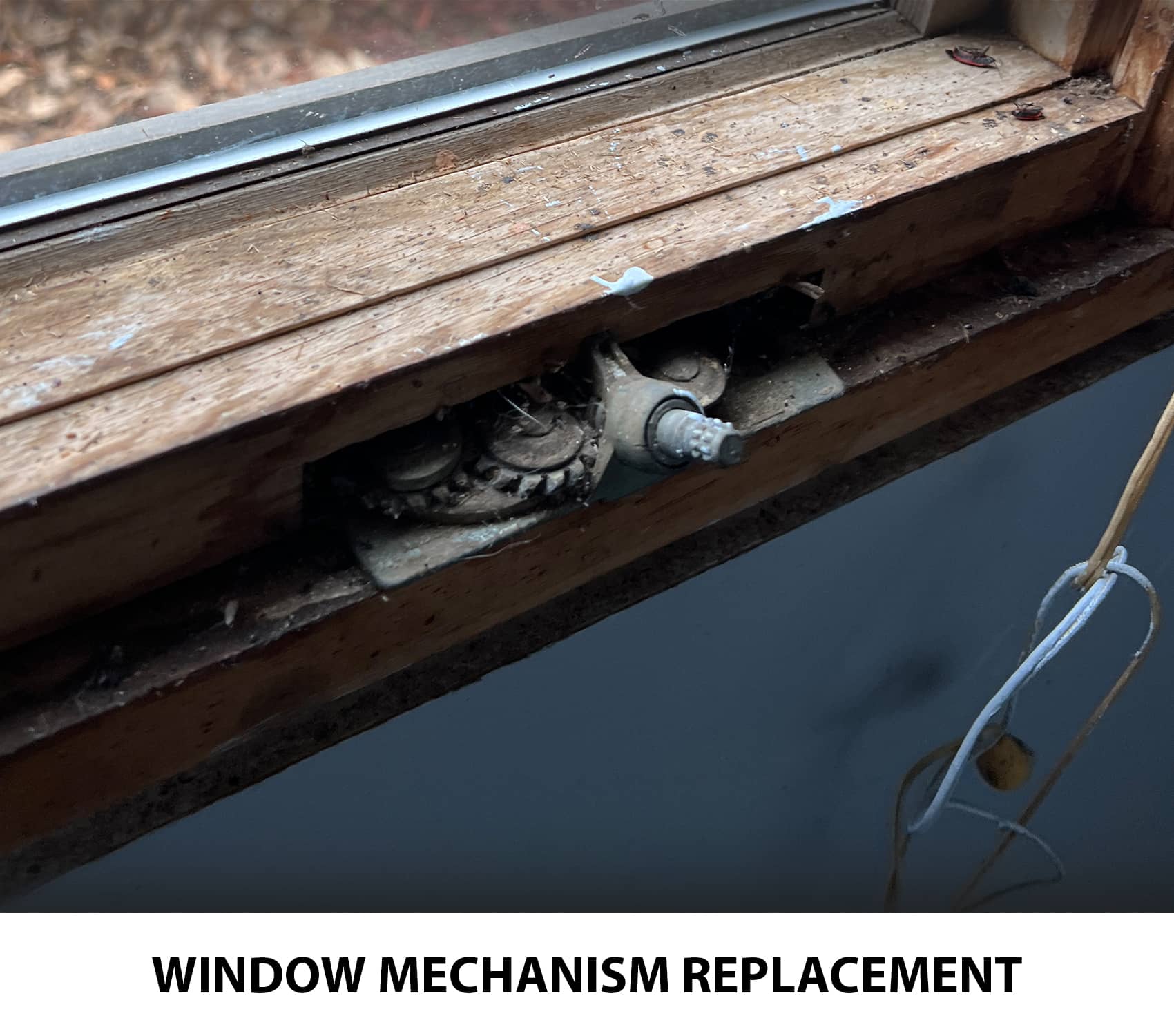
Window crank or operator repair and replacement
Crank operators are a common trouble spot on casement and awning windows, and once they start wearing out, the window usually makes it known. The handle needs extra force, the movement turns choppy, or the crank keeps turning while the sash barely shifts. Most of the time, the cause is fairly ordinary. Dust and old debris work their way into the mechanism, corrosion forms around the moving joints, the internal gears wear down, or loose screws let the whole assembly sit a little off. In many Arlington, VA homes, window crank replacement or operator repair comes up only after those smaller warnings have been brushed aside for too long.
A proper fix usually works better when it follows the hardware instead of guessing at parts. If the mechanism is dragging because of buildup or rust, cleaning comes first. If something inside is split, rounded off, or worn past the point of reuse, the damaged pieces are replaced. After that, the operator is set back in place, adjusted so the pull stays even instead of twisting the sash, and lubricated at the working points so the same hardware does not start binding again the next time the window is opened against resistance.
Window stuck or jammed repair
A jammed window does not always fail the same way. It depends on the window style and where the resistance starts. If the sash catches, stops halfway, or feels like it is grinding through the frame, the problem often traces back to poor alignment or track damage, especially on sliding units. Pushing harder usually makes things worse. What starts as a small hang-up can turn into bent hardware, rollers worn flat, or a track that gets scarred and chewed up bit by bit. The real repair is locating the exact spot where the sash starts fighting back, correcting that point, and restoring normal movement without forcing the window through it.
Window spring and balance work
On single-hung and double-hung windows, the balances carry more of the load than most people realize. They keep the sash from dropping fast, take the strain out of lifting, and help the window stay put once it is opened. When the sash starts sliding back down, will not hold at all, or suddenly feels much heavier in hand, the balance system is usually the first thing worth checking. In Arlington, VA, that kind of wear shows up often after years of regular use, temperature swings, and the slow stress that comes with repeated expansion and shrinkage through the seasons.
Not every balance issue means the hardware has reached the end. Some spiral and coil setups can still be brought back with a tension reset once the sash is removed and the correct tool is used. In other situations, damaged pieces have to come out and fresh components have to be fitted in their place. Quite often, both sides are replaced together so the sash does not cant to one side, creep downward, or move with that uneven, off-balance feel. That kind of repair window spring work, or broader window balance repair, usually lasts better when the system is corrected as a matched set instead of being pieced together one weak side at a time.
Track repair and alignment
The track controls the path of the sash. Once that route gets bent, worn down, or shifted out of line, even solid hardware can start behaving like something inside has failed. The sash may scrape along one edge, the lock may stop meeting cleanly, and the operator can begin pulling from the wrong angle. Good track repair is really about giving the sash its proper line of travel again: bring the shifted section back, repair the damaged area, and make sure the movement feels clean instead of rough, jumpy, or uneven. The warning signs usually show up early enough to notice, like a sash that sticks near one corner or a dry metal-on-metal sound each time the window moves.
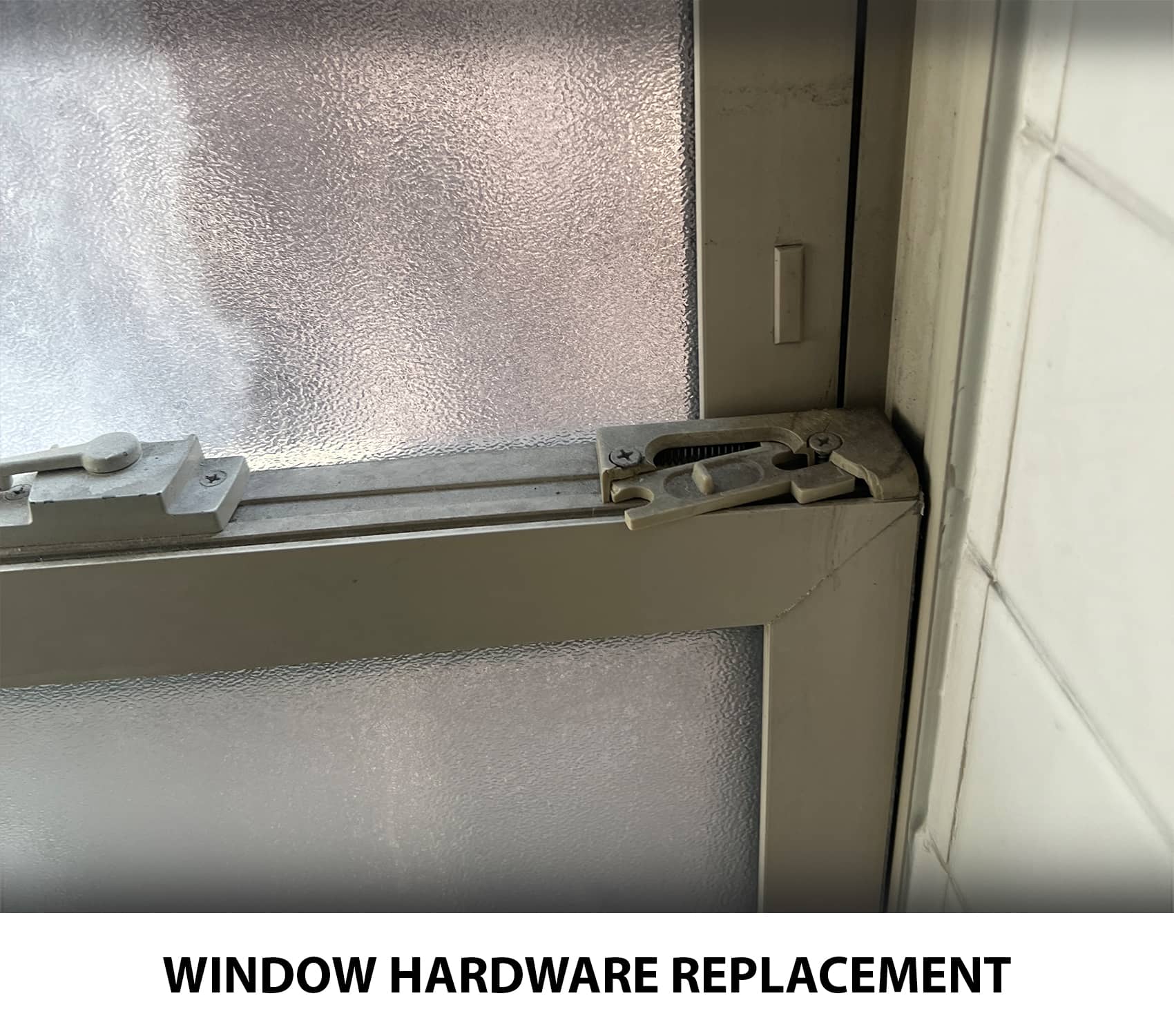
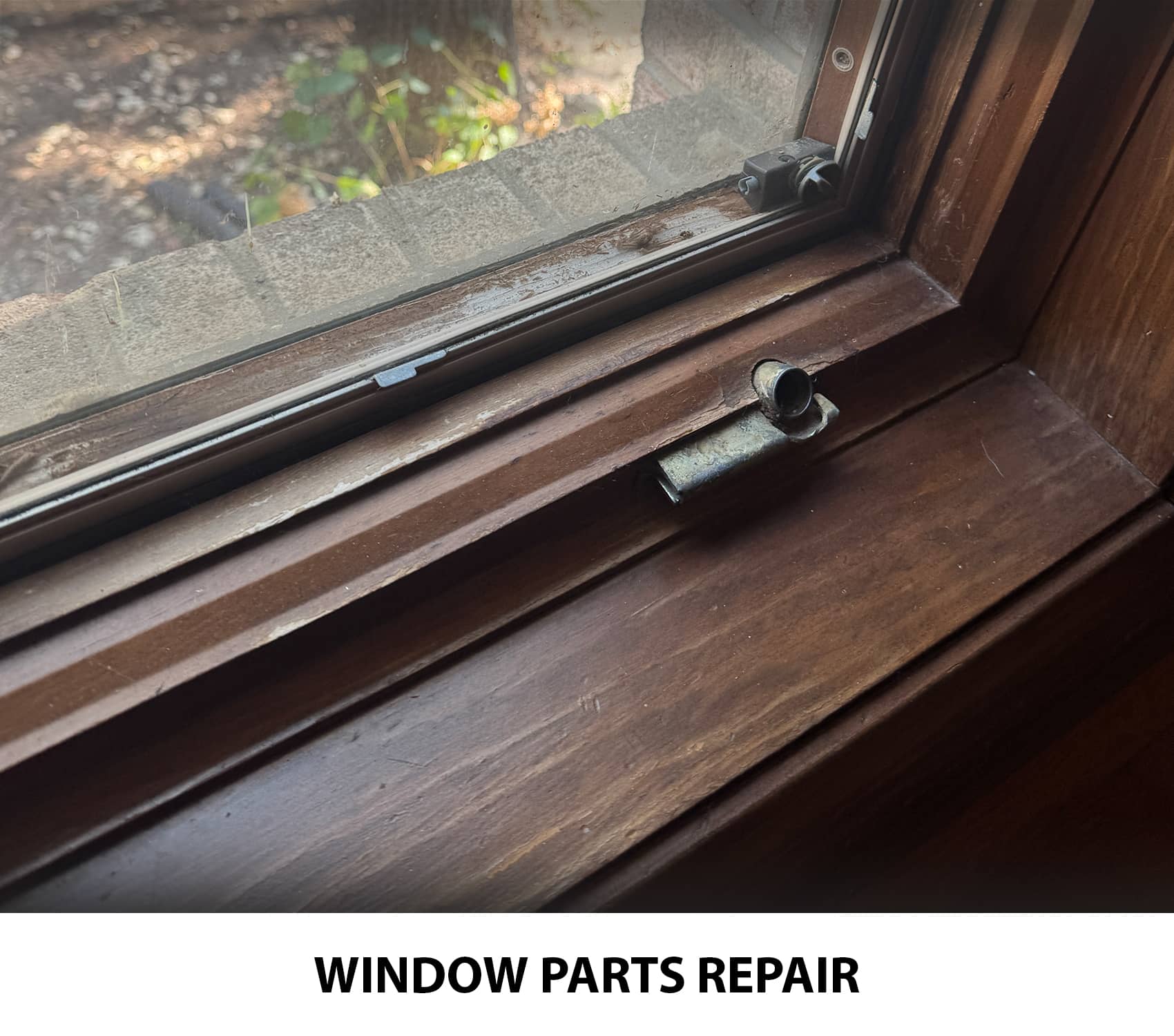
Hinges, latches, and locking hardware
Trouble with hinges, latches, or locks is not just a minor nuisance. It affects security, but it also changes the way the window seals against the weather. Once that hardware is damaged or worn down, the sash may stop closing fully or fail to lock at all, which leaves the opening less secure and less tightly sealed than it is supposed to be.
The problem is not always sitting in the lock by itself. Keepers and locking points do the actual catching and holding, and on some window styles they also help pull the sash in snug as it closes. Once the latch stops drawing the unit in firmly, the window can start to rattle, light drafts can sneak through on windy days, and the seal loses strength even though the glass itself may still be in good shape. In Arlington, VA, that kind of hardware wear tends to stand out more during colder, gustier stretches, when even a narrow gap starts making the room feel off.
In quite a few cases, the repair turns out to be smaller and more exact than it first appears. A crank assembly, for example, may have one failed piece that can be repaired or swapped out without replacing the whole mechanism. That only works when the true failure point has been identified correctly. Random hardware replacement usually wastes effort and money while the real fault stays right where it was.
Frame misalignment and warping
Sometimes the hardware is not the real starting point at all. The frame itself may be what keeps overloading the hardware and bringing the same problems back. When a frame twists, settles, or shifts out of square, the whole window geometry changes with it. Tracks stop meeting the sash the way they should, latches miss their catch points, and operators begin working under constant side pressure. In that kind of situation, hardware replacement on its own may not last long unless the alignment issue is corrected too. A damp sill, pressure building in one corner of the sash, or slight movement along the frame edges usually points in that direction.
Common window mechanism issues
Stuck or jammed windows
When a window will not open, or stops partway and starts fighting the movement, adding more force usually does the opposite of helping. What could have stayed a smaller repair often turns into a larger one. In many cases, the real problem begins in a track that has shifted, worn unevenly, or picked up damage little by little over time. Once the sash starts binding, forcing it can bend the hardware, score the track, and leave the whole unit operating worse than it did before. A sash that catches in the same spot, or a dry scraping sound during movement, usually shows up before the damage gets more serious.
Faulty window cranks or operators
A crank that turns hard, skips while rotating, or spins with almost no reaction from the sash is usually dealing with a real mechanical problem, not a random one-time glitch. Sometimes the reason is fairly basic: packed dirt, old lubricant that has turned tacky, or corrosion slowing the moving points. In other cases, the gears or nearby components are simply too worn for cleaning to make much difference. At that point, replacement is often the smarter route. Even then, the operator still has to be set correctly and lubricated in the right places so the sash moves in a clean arc instead of jerking, dragging, or hesitating through part of the swing.
Broken or damaged springs (balances)
Broken or damaged springs (balances)
On single-hung and double-hung windows, balance trouble usually shows itself in ways that are hard to miss. The sash feels unexpectedly heavy, slips downward, or refuses to stay where it was left. Once that starts, guessing is usually what burns time without fixing much. The balance system has to be identified first, because the repair depends on the hardware inside that particular window, and one balance type is not serviced the same way as another. In Arlington, VA, this kind of problem appears often on older windows that have been opened and closed through years of seasonal shifting, repeated use, and gradual wear.
Damaged or bent window hinges
When the sash stops settling flush in the frame, or the sightline around it looks noticeably larger at the top than it does lower down, the hinges are one of the first places worth examining. A hinge that has worked loose, an arm that is slightly twisted, or hardware that has drifted off its proper position by just a little can shift the sash more than expected. After that, the knock-on effects start showing up fast. The lock no longer meets cleanly, the operator has to pull against extra resistance, and the sash may begin rubbing at one corner or letting a draft sneak through when the weather turns windy.
Worn locks or faulty latches
Window hardware trouble often shows itself in parts that have corroded, cracked, frozen up, or simply stopped lining up the way they were meant to. Once that happens, the issue rarely stays limited to one irritation. The window may stop moving with any real ease, and it may also lose the ability to lock firmly. In most cases, the sensible repair is to pinpoint the failed piece and deal with that exact part, whether by repair or replacement, instead of leaving behind a window that rattles in the opening, shifts under use, or never quite pulls shut the way it should.
Misaligned or warped window frame
When one fix after another only seems to help for a while, or different components begin failing one after the next, the frame itself may be setting the whole pattern in motion. A frame that has bowed, shifted, or gone out of square changes how the entire window behaves. A latch that once met its catch without effort starts missing it, the operator begins pulling unevenly, and sticking comes back even after ordinary service. Soft areas in the frame, pressure concentrated along one side of the sash, or movement that feels different from top to bottom usually points in that direction.
Go / Caution / No-Go decision tool
|
What is happening
|
Most likely cause
|
Safe first step
|
What still needs diagnosis
|
When to stop and call for service
|
|
Hung sash will not stay up or keeps drifting down
|
Tired balance or weakened spring
|
First check for anything visible blocking the movement
|
Identify the balance type, then decide whether a reset or full replacement is the better call
|
Do not force the sash upward. A bad move here can damage the hardware further
|
|
Window binds or stops halfway
|
Damaged track, track out of line, or worn rollers
|
Remove loose dirt and debris carefully
|
Find the exact spot where the sash starts hanging up, then correct the track or rollers instead of just adding lubricant and hoping for the best
|
Do not lean into it or shove harder. The sash can crack, and nearby parts can bend
|
|
Crank feels stiff, skips, or spins without moving the sash correctly
|
Operator wear or operator sitting out of alignment
|
Start with light cleaning and proper lubrication
|
Confirm the operator style and the arm setup before changing any parts
|
Do not crank it under load. Gears strip quickly, and arms can bend
|
|
Window will not latch or lock
|
Worn lock or latch, shifted movement, or alignment trouble
|
Tighten any clearly loose screws or fasteners
|
Check alignment first before replacing hardware
|
Do not bend or alter the hardware just to make it catch. That kind of fix usually does not last
|
|
Older wood window rattles or feels noisy but still stays open
|
Weight-and-pulley system may only need lubrication
|
Lubricate the pulleys
|
If operation is still difficult, open the jamb pocket and inspect the system
|
Do not order parts before the system is identified and the missing sash weight is confirmed
|
Conclusion
Window hardware repair usually works out better when the entire window is treated as a working system instead of one bad piece in isolation. The sensible path is to identify the window type first, narrow the problem to the part that is actually failing, match the right replacement, and finish by confirming smooth movement and a tight, secure close. That order helps avoid two common problems in Arlington, VA homes: buying the wrong part and forcing a stubborn window until something else starts failing.