Don’t replace the whole window unless you have to
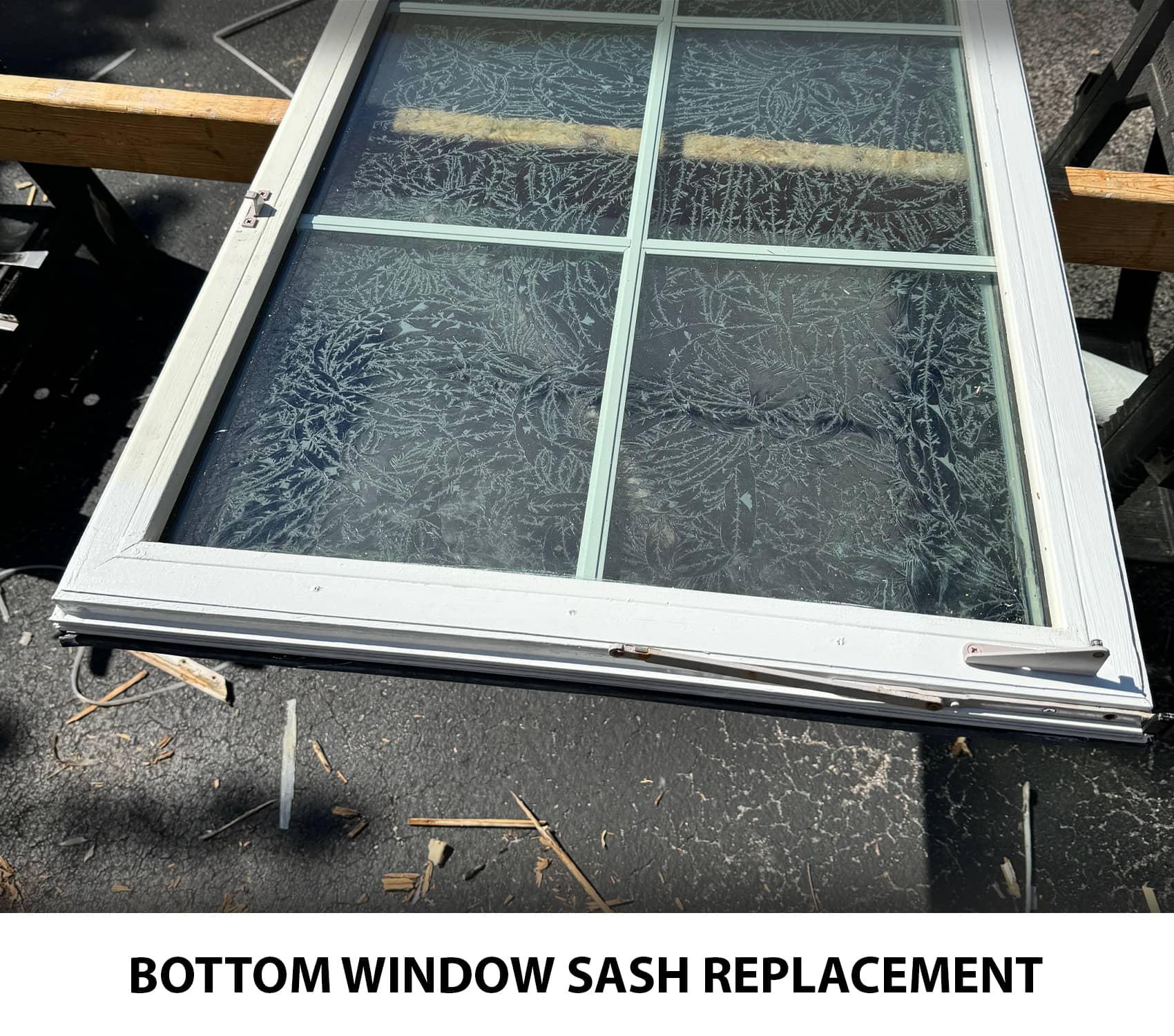
Not every worn-out window in Arlington, VA needs to be torn out and replaced from scratch. A full replacement is sometimes the right call, but in a lot of houses the main frame and rough opening are still firm and worth keeping. The section that usually gives up first is the one dealing with daily use: the sash, together with the parts that let it move smoothly, latch correctly, and hold the seal. In that situation, replacement window sash work, lower sash window replacement, or bottom window sash replacement often becomes the more sensible path.
A narrower repair can solve more than it seems at first glance. Sash repair, or sash window replacement when the wear has gone too far, keeps the existing frame in place and centers the work on the parts that actually affect how the window works and how the room feels: the sash itself, the balance mechanism that keeps it from sliding down, the jamb liner found in many double-hung windows, and the basic hardware like lifts and locks. On older units, the better fix may be window sash balance replacement or window sash lock replacement rather than a full rebuild.
Start here: is your window a good candidate for sash replacement?
If the sash is badly rotted, coming apart at the joints, or still holding cracked glass, replacing that section can be the cleaner way to handle it. But a replacement window sash only makes sense when the rest of the window is sound enough to accept it and still work properly once the job is done.
On older wood double-hung windows that use a sash replacement kit, one measurement can decide the whole outcome. A key checkpoint is the depth of the side jamb pocket. Some systems need at least 3-3/8 inches between the interior stop and the exterior stop so the new jambliner and clip can sit where they belong. If that pocket is too shallow, the kit approach can be ruled out before the parts order even starts.
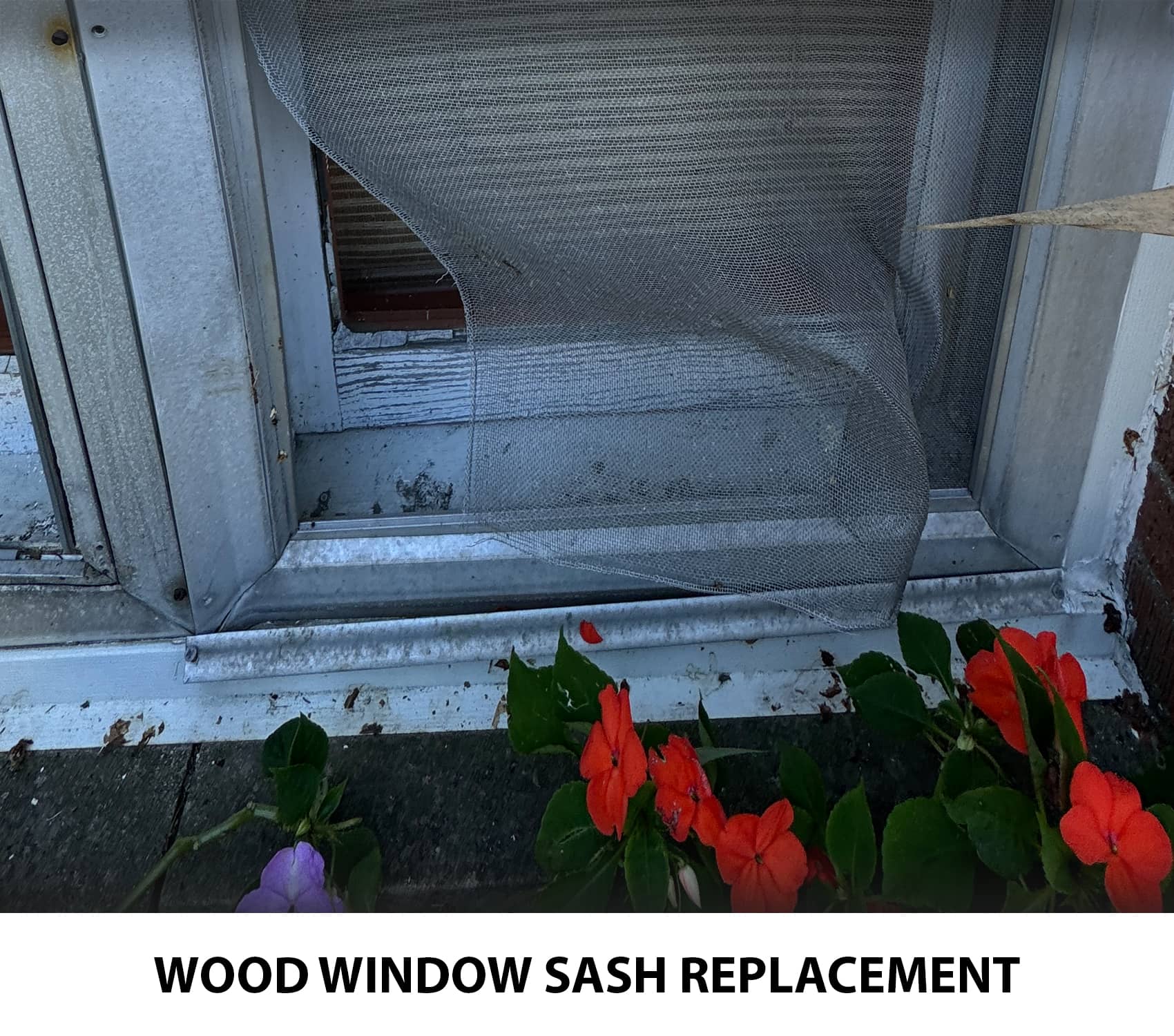
The next step is the one many Arlington, VA homeowners miss: checking the condition of the window around the sash, not just the sash itself. Once the outer frame starts breaking down, what looked like a simple sash swap can grow into a larger repair very quickly. On a double-hung unit, that means looking carefully at the head above and the sill below. Soft wood, a damp sill, dark staining, bubbled paint, or any movement in those areas usually points to a problem that runs past the sash. In that case, replacing the sash alone may still leave the window loose, drafty, or prone to leaks after the work is finished.
Older wood windows bring up one more practical concern: the match. Many older sash profiles are no longer made, so changing one sash, or even replacing one full unit, can look obviously off when the rest of the house still carries the original lines, trim details, and proportions.
What a window sash is (and why type matters)
The sash is the section inside the frame that holds the glass. It includes the members around the pane and, on many windows, the grilles that create the divided-light pattern that stands out from the street. On most window styles, it is also the part doing the real work every time the unit is raised, lowered, slid, or pulled shut.
A plain way to separate the parts is this: the frame is the fixed structure fastened into the wall, while the sash is the active panel that carries the glass and handles daily use. On many double-hung windows, the sash also carries the hardware that gets touched all the time, including the lift at the bottom and the lock that draws the meeting rails tight when the window is closed. Once those parts wear down, the window may start sticking, rattling a little, or letting in a draft on windy Arlington, VA days.
Type matters because the support system is not the same from one window to the next, and the removal method changes with it. A typical double-hung has two moving sashes and some kind of balance setup holding them in position. Sliders work on a completely different arrangement. Older wood windows can be trickier still, with cords, pulleys, and counterweights hidden inside side pockets, and that shifts both the teardown process and the repair route in Arlington, VA homes.
Common sash problems we see in real homes
A sash can go bad in more than one way. Some problems seem small at first, then turn into a daily irritation once the window starts getting opened and closed again.
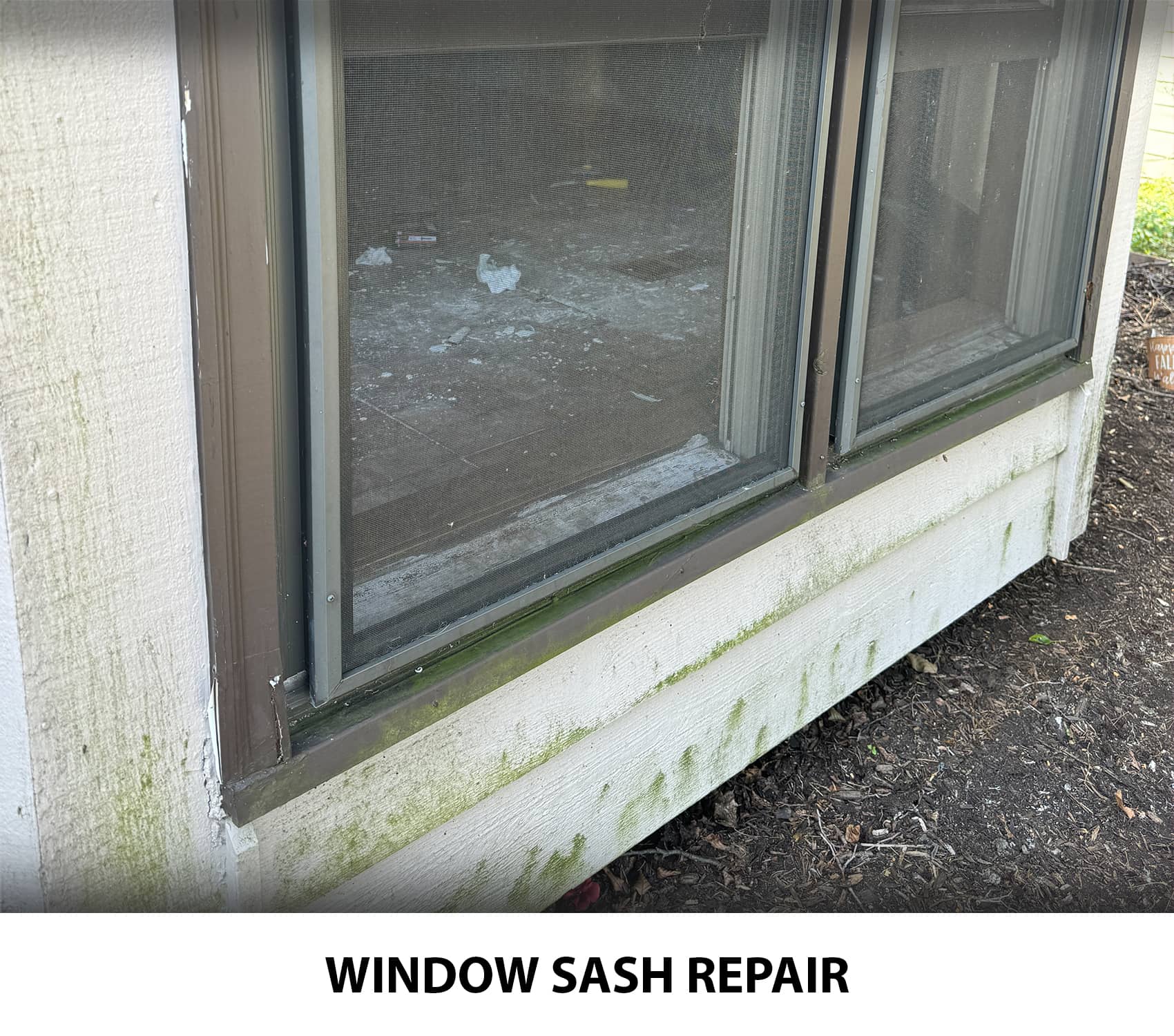
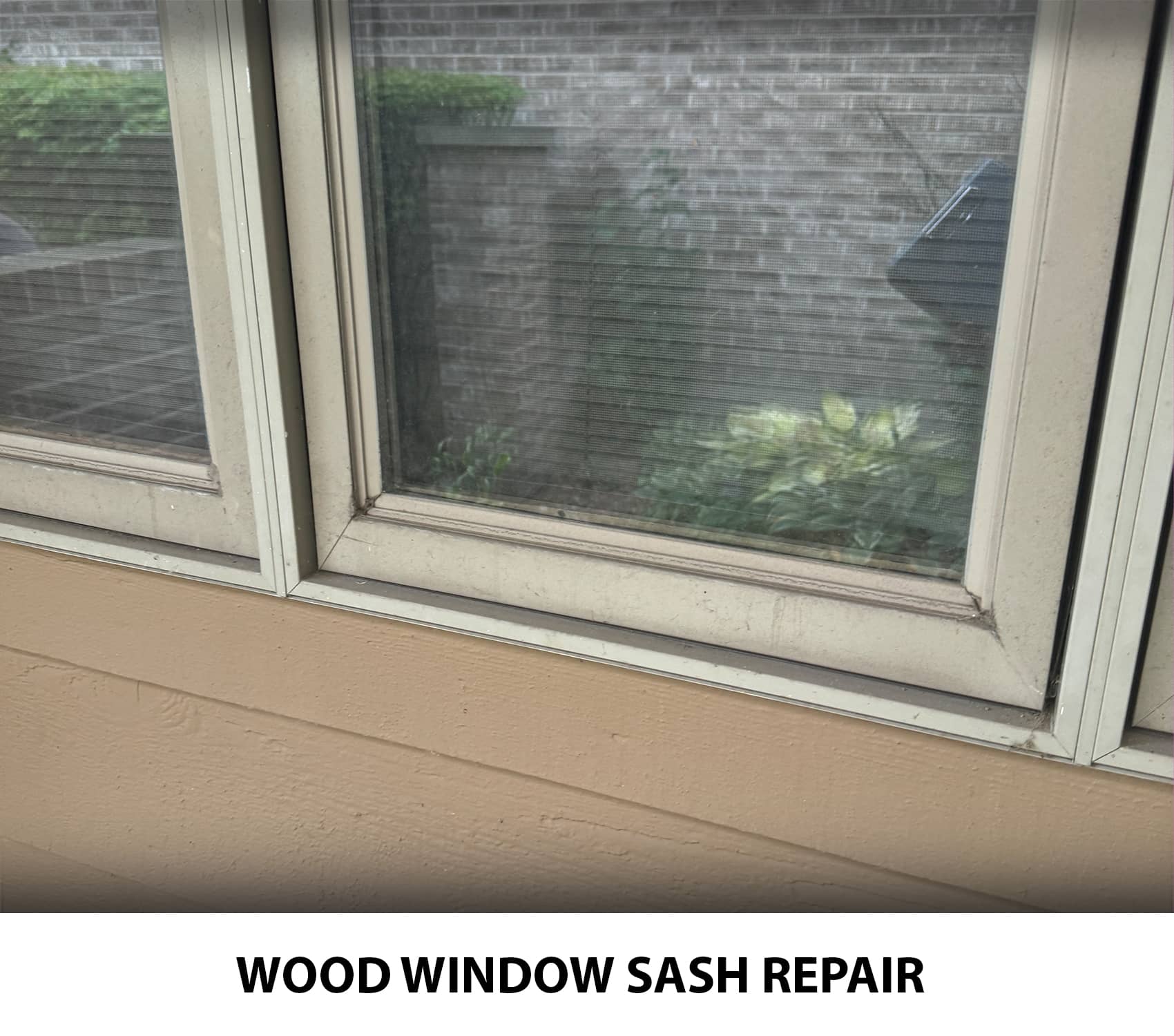
Cracks, bruised corners, worn edges, and plain old wear can leave the sash too loose in some spots and too tight in others, which keeps the window from closing with a proper seal. Wood sashes tend to suffer the most when moisture keeps hanging around from small leaks or repeated condensation. Once that breakdown starts, it usually does not stay limited to one tiny spot. Soft wood at the corners, dark discoloration, bubbled paint, or a damp sill often show up before the damage works farther into the joints.
The other major issue is operation. When the sash slips out of line, or the balance system stops doing its job, the window begins to drag, catch, or slide down instead of moving cleanly. Sometimes the answer is a careful adjustment. Sometimes the sash itself is the part that needs work. In other cases, the real problem is buried in the hardware behind it, not in the wood or vinyl that shows from the room side.
One practical rule makes the diagnosis clearer: the fix has to match the reason. If a paint ridge is causing the bind, wiping out the track will not solve much until that buildup is trimmed back. If swollen wood is creating the pressure point, spray lubricant will only help for a short while until the fit is corrected. And when the sash is sitting out of square, sanding the track is mostly wasted effort until the alignment problem is dealt with the right way, especially in older Arlington, VA homes.
Quick diagnosis table
|
What shows up
|
What it usually points to
|
Typical repair path
|
|
Sash will not stay up or keeps sliding back down
|
The balance system has failed or lost tension
|
Identify the balance style first, then replace the balance or cord system that is no longer holding the sash in place
|
|
Window is hard to move and catches halfway
|
Swollen wood, debris in the track, paint buildup, or a sash that has shifted out of alignment
|
Cut the paint line, clear the track, use wax or silicone where appropriate, ease any swollen spots, then bring the sash back into proper alignment
|
|
Sash feels loose, chatters, or rattles
|
Worn channel components, an uneven fit, or hardware that has loosened over time
|
Tighten the fit, correct the alignment, and replace worn channel pieces or other loose components
|
|
Soft or dark wood is visible, paint is peeling
|
Moisture damage and early rot, often linked to leaks or ongoing condensation in older Arlington, VA homes
|
Remove the decayed material, splice or rebuild the damaged section, reinforce it, then seal and protect the repair
|
|
Glass is cracked or the sash frame is broken
|
The damage has gone past the point of a small spot repair
|
Replace the sash, which is often the cleanest way to restore the window and keep the appearance consistent
|
|
Window will not lock or feels insecure
|
Failed lock hardware or a damaged lift mechanism
|
Install matching replacement hardware and make sure the sash pulls in and locks down the way it should
|
Before you start: tools and safety rules that actually matter
Most sash repairs are manageable, but this is not the kind of work that responds well to brute force. When a sash has been painted shut, the first move is usually to cut the paint bond along the stops and edges so the sash is not being pried loose against stuck wood and fragile glass. Interior stops are often narrow wood strips, and they can crack, splinter, or snap surprisingly fast when somebody tries to rip them off instead of working them free gradually.
In practical terms, this is careful hand work, not a muscle job. A screwdriver and a small pry bar come up again and again, a utility knife helps open paint lines without tearing things up, and a putty knife earns its place around glazing, stops, and jamb liners. When old paint has to be softened or lifted, a heat gun may come into play, sometimes with a nozzle shield, but that part takes a steady hand around glass and older finishes, especially when the paint is flaking, layered over itself, or built up thick near the sash corners.
Safe removal also depends on the type of double-hung window in the opening. On older cord-and-weight units, the main concern is keeping the weights under control. Once a sash cord is cut or slips loose, those weights can drop straight into the side pocket and turn a normal repair into a tedious retrieval job. Tilt-in sashes are built differently, but the same principle still applies in Arlington, VA homes: no forcing. On that style, the sash usually releases through the tilt pins, so the hardware needs to be disengaged the right way, not pulled out under pressure.
One last point gets missed all the time during reassembly. Stops and screws should go back firm, not over-tightened like structural fasteners. Too much pressure can make the sash rub, catch, or drag halfway through travel, even when every replacement part is sitting in the correct place.
Double-hung windows: why the balance system is usually the culprit
On a double-hung window, the sash is not built to hold its own weight by itself. It relies on a balance system to carry that load and keep the sash where it is left, instead of letting it slip, slam, or drift closed. Depending on the age and design of the unit, that support may come from an older cord-and-weight arrangement or from a spring-loaded mechanism hidden inside the jamb.
One of the smartest early moves is figuring out the exact balance type before ordering a single part. Common versions include spiral balances, cord-and-weight systems, block-and-tackle assemblies, and constant force balances. That detail matters more than it first appears, because parts that seem close on paper can behave completely differently once they are in the window. Put in the wrong balance and the sash may creep downward, drag through travel, or stop halfway like something is pinching it.
When the complaint is a sash that will not stay open, or one that sticks and has to be wrestled both up and down, the source is often the balance hardware rather than the sash itself. In many Arlington, VA homes, the repair path becomes fairly straightforward once the failure is pinned down: confirm the balance style, get the correct match, remove the sashes, reach the hardware, install the new components, then put the window back together and check how it moves.
On many tilt-in double-hung windows, sash removal starts with both sashes placed in the right position, usually with the lower sash raised partway and the upper sash lowered partway. From there, the sash tilts inward, is angled carefully, and is released at the tilt pins. On systems that use a jamb liner, that liner often comes out by freeing the inner flanges and sliding the assembly loose. The replacement liner, often carrying a block-and-tackle balance, is then returned to the jamb and seated by working those flanges back into place. After that, the sashes go back in and the window is tested for smooth travel and a sash that stays put instead of slowly sliding down.
Cord-and-weight windows change the access point, but not the purpose of the repair. The cords are disconnected while keeping control of the weights so they do not drop into the pocket, new cords are fed back over the pulleys, and the sash is balanced again until it holds where it should. The end result stays the same either way: steady movement, no sudden drop, and a window that opens and closes without sticking, binding, or fighting back.
Conclusion
Window sash problems are frustrating because they show up in ordinary everyday moments: a sash that sticks halfway, one that slides back down, a draft at the meeting rail, or a lock that never feels fully secure. Even so, most of those issues do not automatically mean the whole window is finished. A careful look at the full system, especially on double-hung windows where balance type matters, makes it easier to choose the right path: repair, sash-only replacement, or, when the structure itself has been compromised, a larger rebuild. In Arlington, VA, that distinction matters. The goal stays the same either way: smooth travel, a tight seal, and a window that feels solid again.