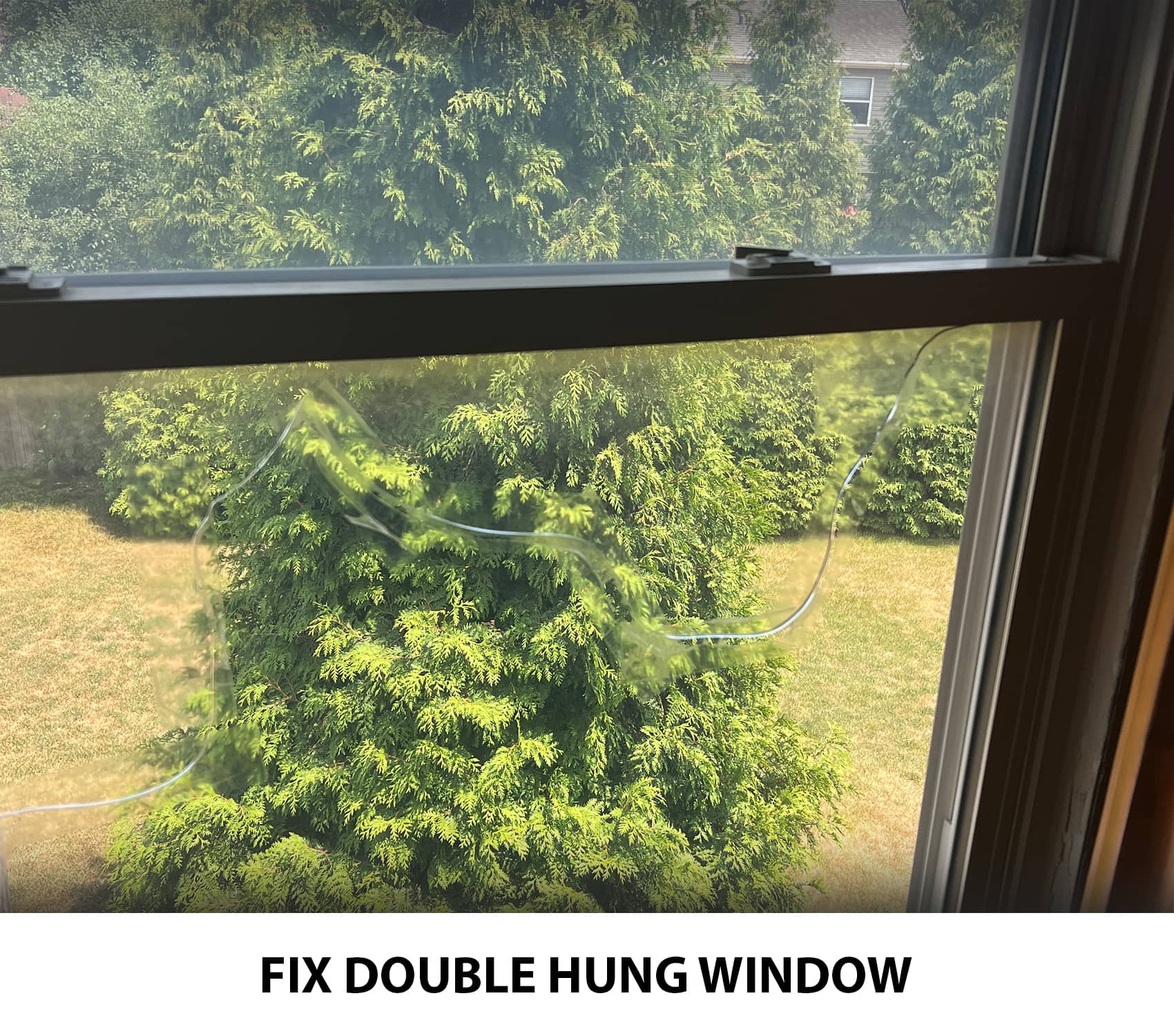
What counts as double-hung repair and replacement services
A double hung window has two movable sashes that travel up and down. A single-hung model can seem nearly the same at first glance, but the upper sash stays locked in place while only the lower one operates. With double hung windows, both sash sections move vertically, and on many models they also tilt inward, which makes routine upkeep far less clumsy.
A big reason this style still holds its ground in Arlington, VA comes down to how it handles everyday airflow. Lowering the top sash gives built-up heat a place to escape. Raising the bottom sash brings in cooler air from outside. When both are used together, the room gets a more even exchange without opening one large gap, and that tends to work especially well in Arlington, VA where the weather can shift fast and feel different from one afternoon to the next.
The tilt-in feature becomes just as valuable once regular cleaning and upkeep stop being theoretical. On many double hung windows, each sash can lean into the room, so both sides of the glass are reachable from indoors. Anyone familiar with a second-story pane, a shaky step stool, or a ladder planted on uneven soil already understands why that detail matters.
There is also a useful safety advantage that often gets overlooked until there is a real reason to think about it. Because ventilation can come from the upper opening, air can still circulate while the lower sash stays shut. In homes with small children, that arrangement often feels like the more sensible choice.
From a service standpoint, work on a double hung window usually breaks into two main directions. Repair or restoration means getting the existing unit back into solid working condition: rebuilding rotted wood, replacing cracked glass or a failed insulated glass unit, fixing hardware so the sashes stop dragging and the locks line up the way they should, and improving worn weathersealing when drafts start creeping in on windy days, the sill stays damp, or paint begins to blister near the lower edge. Replacement and installation come in when a lasting repair no longer pencils out, or when a broader performance upgrade makes better sense for a home in Arlington, VA.
The most common double-hung problems (and what usually fixes them)
The weak points on double hung windows are usually not hard to spot, and the right repair almost always comes down to which part of the unit has started failing first.
When drafts begin sneaking in or one room suddenly feels cooler than the rest, the problem is often at the perimeter of the window rather than in the glass itself. Flattened weatherstripping, a minor seal breakdown, or a sash sitting slightly off line can be enough to let outside air slip indoors. In that kind of situation, the fix usually involves resealing the unit, replacing worn stripping, and adjusting the sash so the air stops leaking through on blustery Arlington, VA days.
If the sash refuses to stay open, drifts downward on its own, or starts moving with a crooked, uneven feel, the balance system or nearby hardware is usually the real issue. Forcing it almost never helps. In most cases, the repair means replacing worn balances, correcting or swapping out tilt latches, and straightening out locks or other small hardware parts so the sash moves cleanly and stays where it belongs.
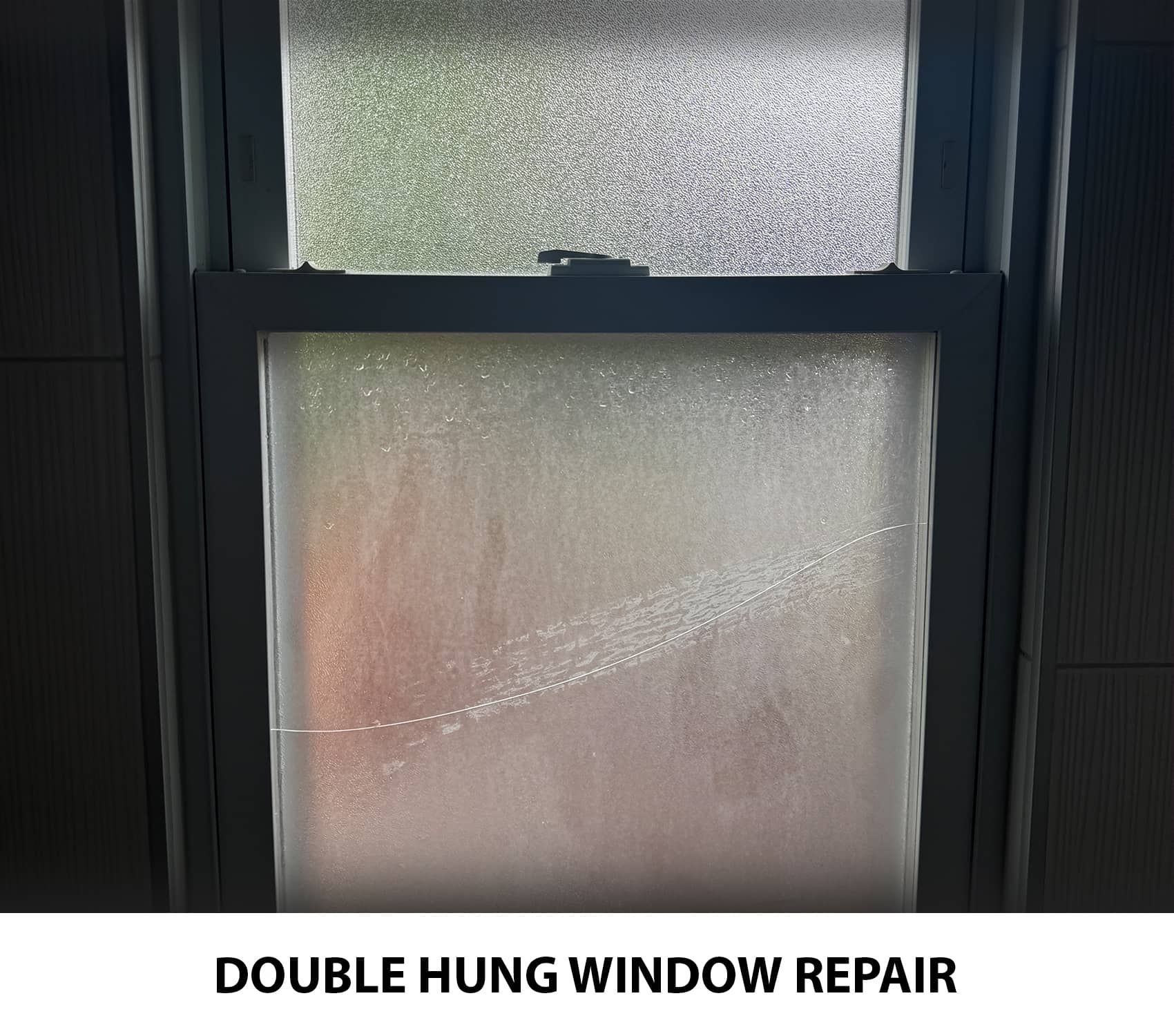
Fog or moisture trapped between the panes usually points to a failed seal inside the insulated glass unit. At first, the sign can be subtle: a light haze that appears and fades, especially when temperatures jump around. Later, the glass often stays dull and cloudy, with the moisture sealed inside for good. In many cases, the sensible repair is to remove the failed double-pane unit and install a new one in place, which is often far more practical than replacing the entire double hung window.
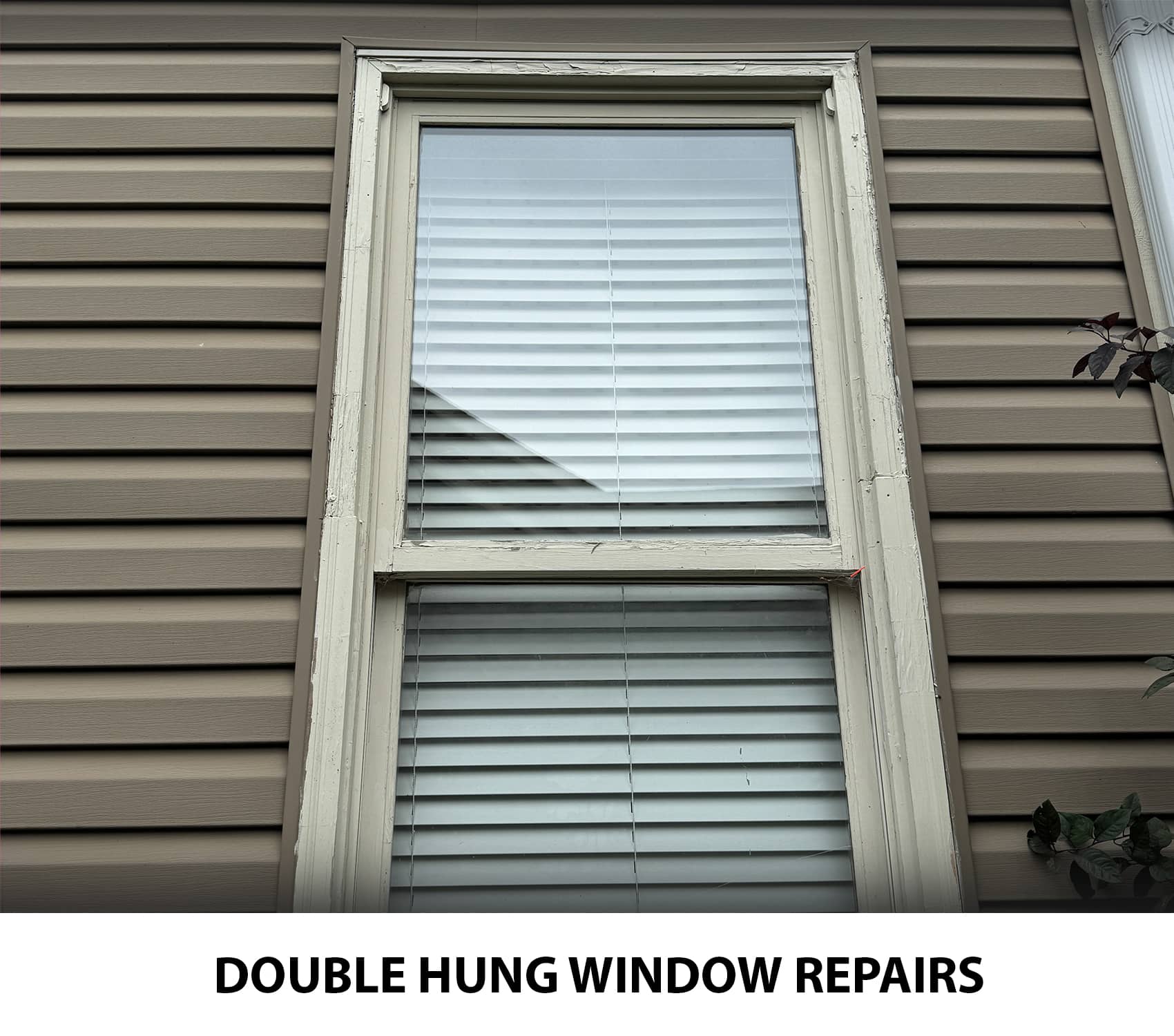
Once wood rot shows up, the proper fix depends on how far the damage has spread. A small soft patch, darkened wood, or paint lifting near the sill can often be cut back, rebuilt, and sealed tight again. But when decay has moved deeper into the frame and started weakening the structure, replacement usually becomes the more reliable choice. A weakened frame rarely keeps a tight seal or gives double hung windows a stable fit for very long, especially in Arlington, VA.
Repair & restoration services: what gets fixed on a double-hung
Work on a double hung window is usually more method than mystery. In most cases, the repair follows a clear sequence of corrections that puts the unit back into proper working order instead of giving it a short-lived improvement that only feels better for a week or two.
A repair-first approach usually makes the most sense when the frame is still structurally solid and not already near the end of its usable life. The price is often lower than full replacement, and the difference tends to show up quickly. Closing up gaps and installing fresh weatherstripping can cut drafts and make the room feel more even. Glass repair restores a clearer view and helps insulation recover. Hardware work gets the sash moving the way it should, so ventilation stops being a hassle and starts working like it used to.
Repairs also take care of the smaller day-to-day issues that slowly wear a house down. Keeping older wood sashes and frames can hold onto the home’s original character. Replacing cracked glass, loose latches, or worn locks can improve security and tighten the fit. And in many situations, repair is simply the less invasive option. Less demolition, less cleanup, and a quicker return to normal routine.
Rotted wood restoration (sash, sill, frame)
Wood double hung windows usually start breaking down after years of repeated moisture exposure, postponed upkeep, or small weak spots that let water collect where it should have drained away. The main service question is usually straightforward: does enough sound wood remain to rebuild the unit with real confidence, or has the damage spread too far for the window to stay dependable over time?
A standard restoration job usually moves in stages. The first step is finding how far the decay has traveled. After that, the damaged areas are rebuilt with the proper repair methods and materials. When the rot has worked deeper into the unit, the weakened sections are replaced so the structure feels solid again. The last stage is sealing and finishing the repaired surfaces to help slow down future moisture damage. Once the frame can no longer be restored to a stable condition, replacement usually becomes the more reliable long-term answer.
Glass repair and foggy glass replacement
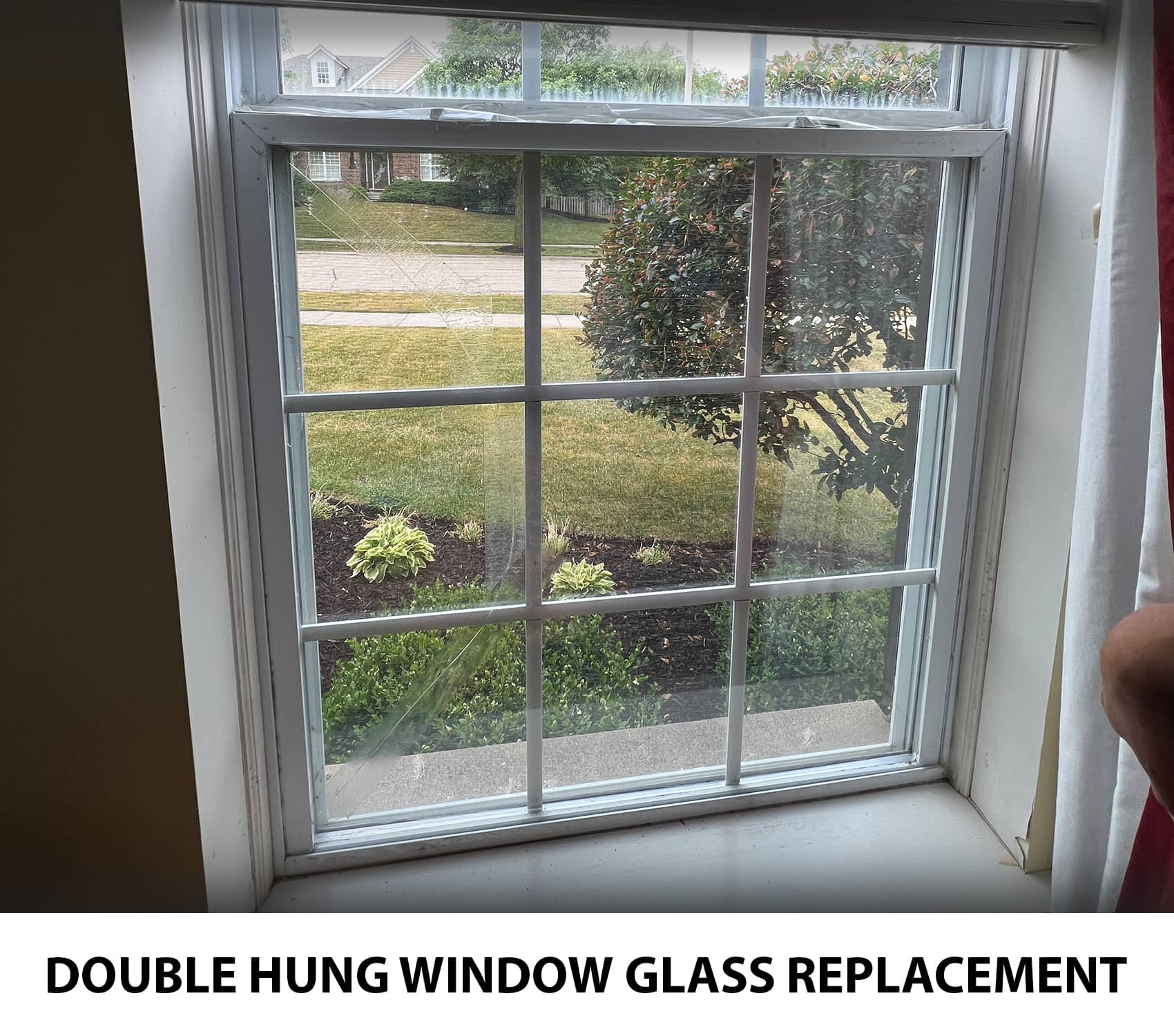
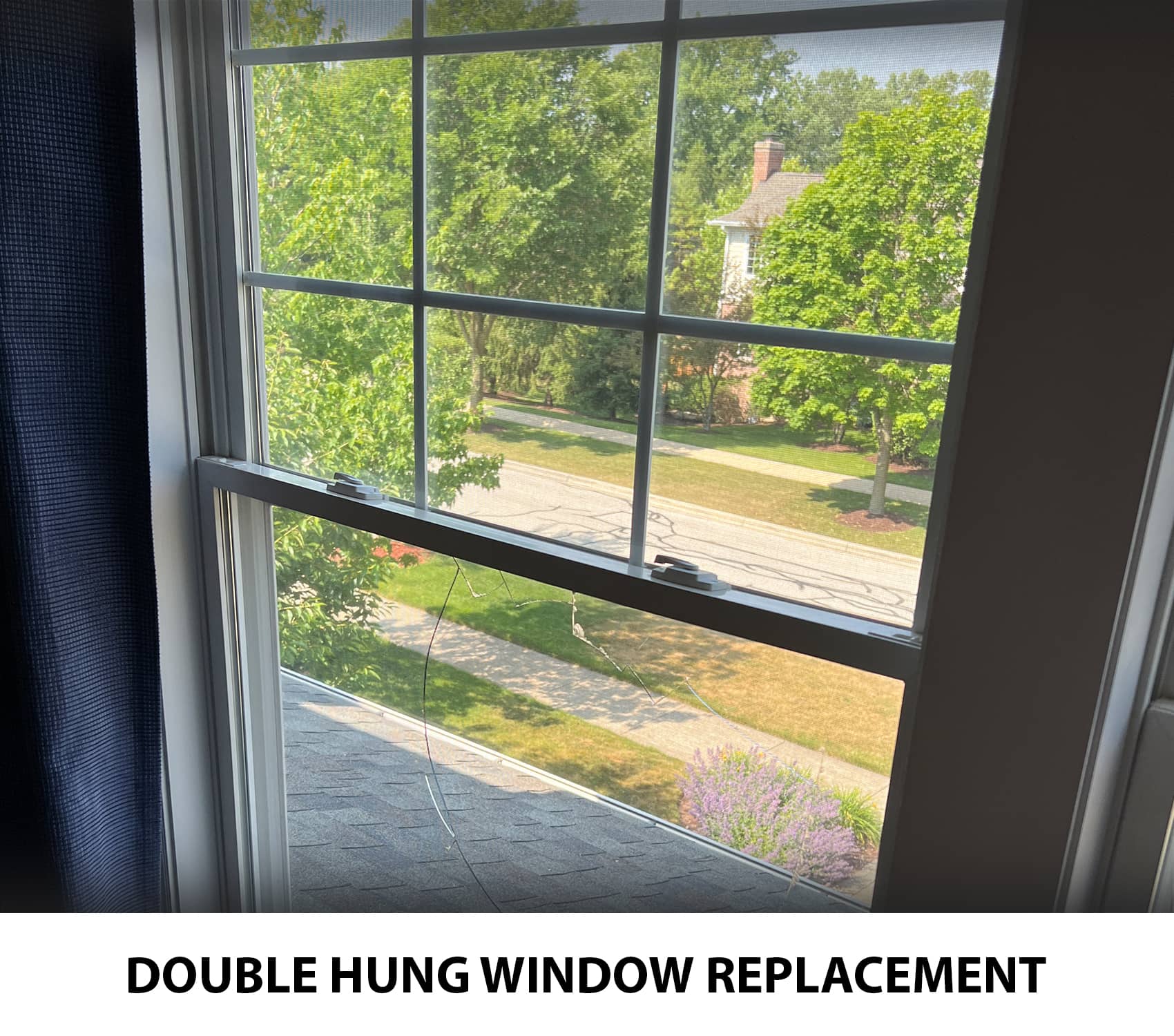
Cracked panes and damage from forced entry are usually fairly direct repairs. Fogged glass is a different issue altogether. In most cases, it points to seal failure inside the insulated glass unit. When the sash and frame are still sturdy enough to support a clean, lasting reglaze, the better fix is often replacing the failed glass unit rather than tearing out the entire window.
Many jobs start with fogging that comes and goes. A light haze shows up, fades for a while, then returns again. Once the glass stays cloudy day after day, the seal failure is usually further along. At that stage, the service solution is often an on-site replacement of the failed insulated unit, which brings back both clear visibility and proper thermal performance without pushing the work into full window replacement.
Hardware & operability (balances, tilt, locks)
When a sash will not stay where it is set, drops on its own, or starts moving with a stiff, uneven, off-kilter feel, the cause is usually a worn balance system or a sash that is no longer tracking the way it should. Tilt latches matter because they keep the sash secure while it opens, closes, and tips inward. Locks and fasteners matter for security, obviously, but they also affect how tightly the unit closes. Even a small lock misalignment can leave a thin gap that turns into a very real draft during a windy Arlington, VA cold spell.
Good hardware repair is precise work, not a generic fix applied the same way every time. Worn balances are replaced so the sash can travel smoothly again. Tilt latches are adjusted or swapped out so the sash feels stable during everyday use. Locks and fasteners are repaired or replaced for a tighter seal and better security. The moving parts are lubricated, aligned, and tuned carefully so the result holds up instead of feeling like a temporary fix that starts acting up again by the next season.
When replacement options are being considered, the balance design deserves a harder look too. Some double hung products advertise constant-force counterbalance systems and frame them as hardware that never needs adjustment. That kind of claim should be checked, not repeated on faith. If a window is sold on the promise of no adjustment, but the sash still will not stay in place, the next question is simple enough: what actually failed, and what exactly does the warranty cover?
Replacement & installation services: what “good installation” actually means
A replacement window will only perform as well as the installation supporting it. On paper, the process sounds fairly straightforward, but the workmanship shows at every stage. The old unit needs to come out carefully so the surrounding opening is not damaged, loosened, or thrown out of shape. Then it has to be removed from the site and disposed of properly. After that, the new window must be set plumb, level, and square, fit tightly inside the opening, sealed well enough to keep rain and outside air from working into the wall cavity, and finished in a way that can handle Arlington, VA heat, humidity, and winter cold.
One small detail near the perimeter says a lot about the quality of the job: how the edges are sealed and finished. If those narrow gaps around the frame are handled carelessly, even a new window can still leave a draft near the stool or create an easy path for moisture to start slipping into the opening.
From the homeowner side, preparation is usually pretty simple. Furniture, curtains, blinds, and breakable items should be moved back from each opening so the crew has enough room to work cleanly, safely, and without wasting time trying to maneuver around things that could have been cleared beforehand.
Conclusion
Choices around double hung windows become much more manageable when the unit is looked at as a full operating assembly, not just one visible problem. The starting point is figuring out what has actually gone wrong: the seal, the glass, the hardware, or the frame and surrounding structure. From there, the frame material usually helps guide the next decision. Wood windows often raise questions about moisture entry and how far rot has traveled. Vinyl and fiberglass units more often come down to worn operating parts, failed glass seals, or a slow drop in overall performance. Still, no frame material is immune to reaching the point where replacement is the steadier solution, especially once the unit can no longer be brought back into square, sealed tightly, or locked with real confidence. With a solid decision table, written confirmation of the glass and balance specifications, and a quote that clearly lays out the full installation scope, the end result is much more likely to be a double hung window that slides cleanly, locks the way it should, and handles Arlington, VA weather without turning into a draft source when the next cold, windy spell rolls in.